Foundation Repair in North Kansas City, MO
Many of North Kansas City's older stone and limestone foundations — from established neighborhoods near Iron District to homes across Clay County are showing their age — stair-step cracks, bowing walls, and doors that won't close square. The clay soil in Clay County makes it worse every season.
Why Do North Kansas City Homes Need Foundation Repair?
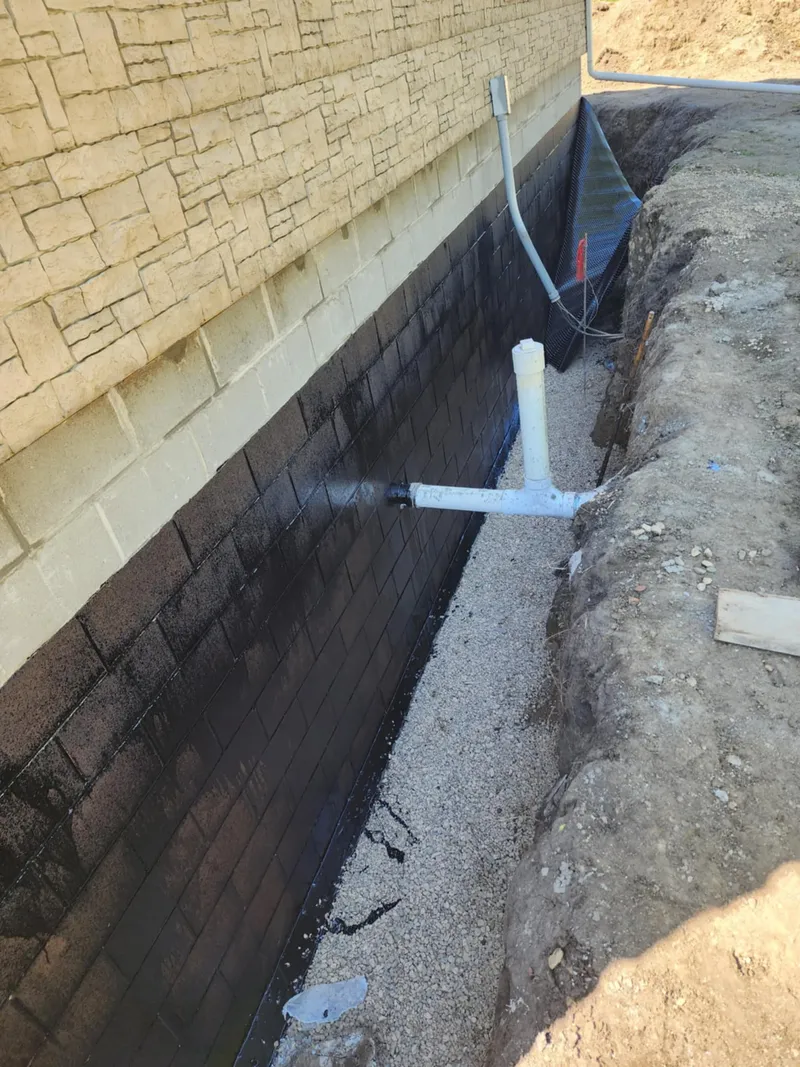
North Kansas City's oldest homes — many of them near Iron District and Macken Park — sit on stone and limestone foundations that were built before modern engineering standards existed. These foundations rely on mortar joints that deteriorate over time, especially when Clay County's clay soil exerts lateral pressure against the walls. Stair-step cracks along mortar lines and inward bowing are the most common failure patterns our crews encounter here.
What makes foundation repair in North Kansas City different from other communities is the specific intersection of local housing and local soil. The high water table in the river valley makes industrial-grade sump pump systems a necessity for any basement here. Whether your home is along the I-35 and I-29 corridors or in one of North Kansas City's established neighborhoods, our crews engineer solutions that account for the soil conditions specific to this area — not generic fixes from a textbook.
Sits on the flat floodplains north of the Missouri River. This combination of terrain and soil means foundation problems in North Kansas City aren't a matter of "if" but "when" for many homeowners. Catching wall cracks, floor settlement, or door-frame gaps early and addressing them with engineered repairs — push piers, helical piers, or wall stabilization — prevents the kind of cascading structural failure that turns a $5,000 repair into a $25,000 project.
What Warning Signs Appear in North Kansas City Homes?
If you notice any of these in your home, don't wait. Early action saves thousands.
Cracks Spreading Across Walls
Diagonal cracks above doors and windows, stair-stepping in brick — this is your structure pulling apart. North Kansas City's older stone foundations often show cracks where original mortar has deteriorated after decades of moisture and soil movement.
Floors Sloping or Uneven
Put a ball on the floor. If it rolls, your foundation is settling unevenly. This gets worse, never better. Sloping floors in North Kansas City homes usually mean the foundation beneath has settled unevenly — a structural issue, not a cosmetic one.
Doors and Windows That Stick
Frames are shifting because the foundation underneath them is moving. It's not the door — it's the house. North Kansas City homeowners often dismiss sticking doors as "the house settling." In Clay County's clay soil, it usually means the foundation has moved.
Gaps Between Walls and Ceiling
Visible separations where the walls meet the ceiling or floor. Your home is literally pulling itself apart. Gaps between walls and ceilings in North Kansas City homes indicate active foundation movement — the clay soil in Clay County is still pushing.
Exterior Brick Cracking
Stair-step cracks in the mortar joints. Once you can see it from the outside, the problem is serious. North Kansas City's older stone foundations often show cracks where original mortar has deteriorated after decades of moisture and soil movement.
One Side of the Home Visibly Lower
If you can see it, the soil has already failed. This is active structural movement that accelerates over time. North Kansas City homes on stone foundation foundations in Clay County are particularly susceptible to this issue.
Noticed cracks in your North Kansas City basement walls?
The stone and limestone foundations common in North Kansas City develop predictable failure patterns — and early detection makes the difference between a straightforward repair and a major structural project. A free inspection takes about an hour and tells you exactly where you stand.
Four Steps to a Stable Home
No surprises. No upsells. Just a clear path from "something's wrong" to "it's permanently fixed."
Free Inspection
We come to your home, assess the damage, and explain exactly what's happening — in plain English, not contractor jargon.
Custom Repair Plan
An engineered solution designed for your home's soil conditions, damage pattern, and foundation type.
Professional Install
Our crew handles everything. Most repairs completed in 1–3 days with minimal disruption.
Permanent Stability
Your foundation is stabilized for the life of the home. The settlement stops. Done.
Who Handles Foundation Repairs in North Kansas City?
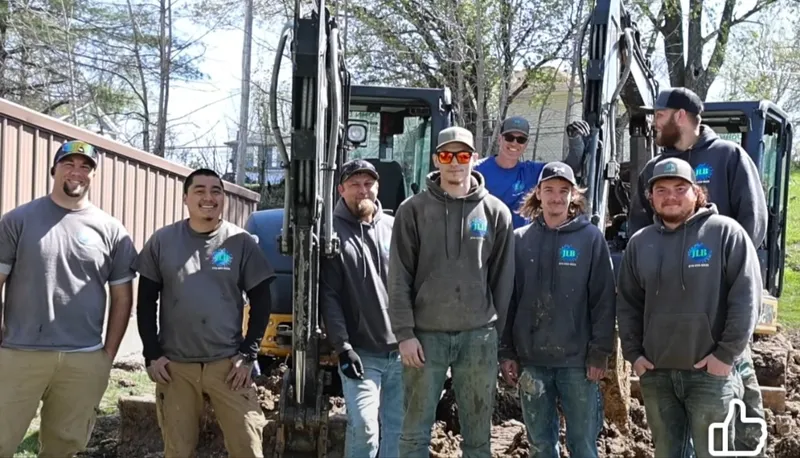
North Kansas City is a close-knit community of about 4000, and we treat it that way. Our Kansas City area crew handles every job in North Kansas City personally — the same team that inspects your home is the same team that does the work. No subcontractors, no handoffs.
Call (816) 656-6835“We had cracks running up our walls and doors that wouldn't close. JLB came out, explained exactly what was happening with the soil under our house, and had the piers installed in two days. Floors are level again. Wish we hadn't waited so long.”
Why Do North Kansas City Homeowners Trust JLB?
We earn trust the old-fashioned way: honest inspections, fair pricing, and repairs that last.
Clay County Permit Expertise
We pull permits and coordinate inspections with Clay County building officials for every structural project. Our crews have worked with the local building department for years — we know their process inside and out.
Stone and limestone Specialists
North Kansas City's stone and limestone foundations require specific repair techniques. Our crews are trained in wall anchors, carbon fiber reinforcement, and pier systems designed for these older foundation types.
Small-Town Accountability
In North Kansas City, reputation is everything. We show up when we say we will, we do the work right, and we stand behind it with a transferable warranty. Every job gets our full attention.
Financing for Older Homes
Older homes often need larger repairs that can strain a household budget. We offer flexible financing plans specifically so North Kansas City homeowners with aging foundations can get the work done now — before another season of soil movement makes it worse.
Real Projects. Real Results.
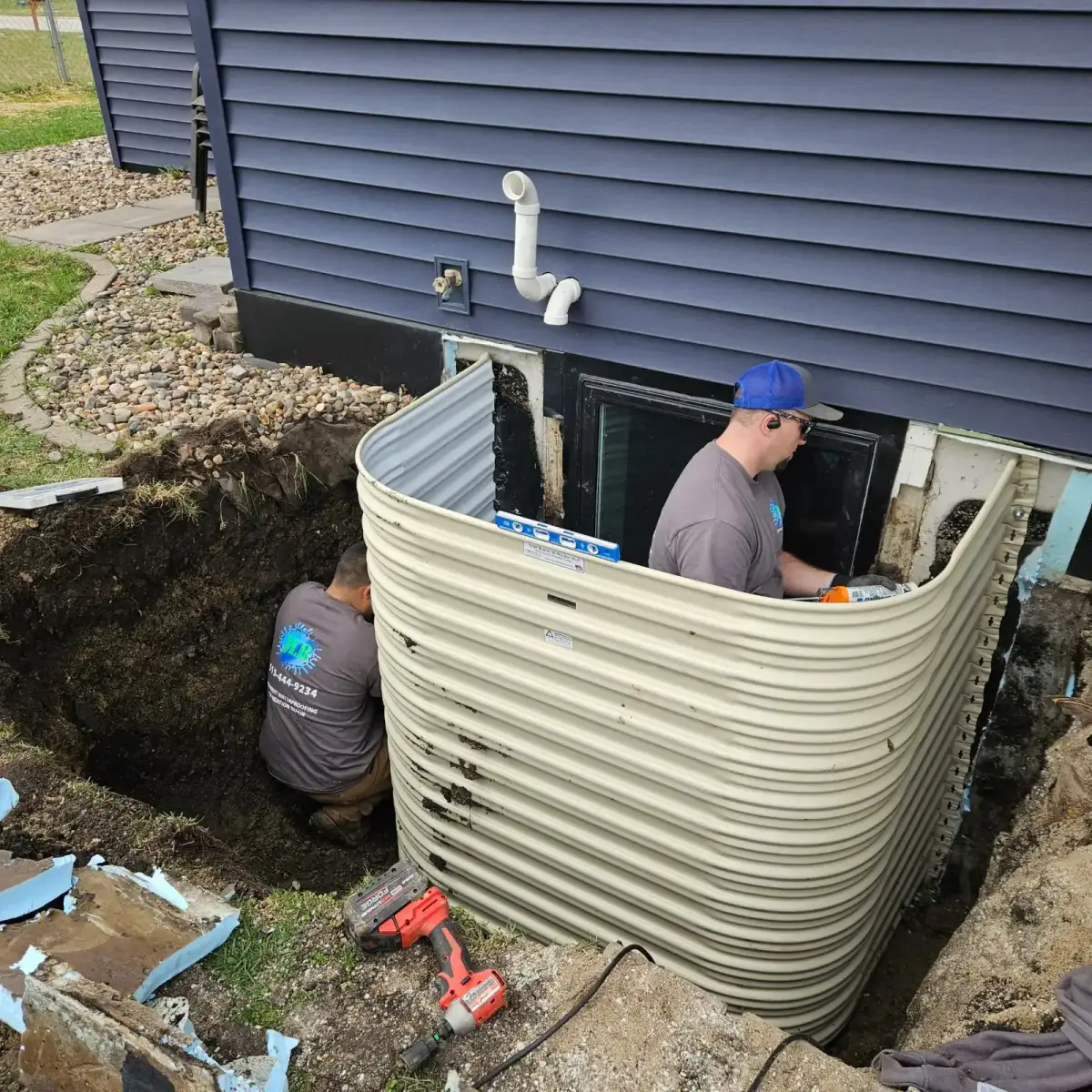
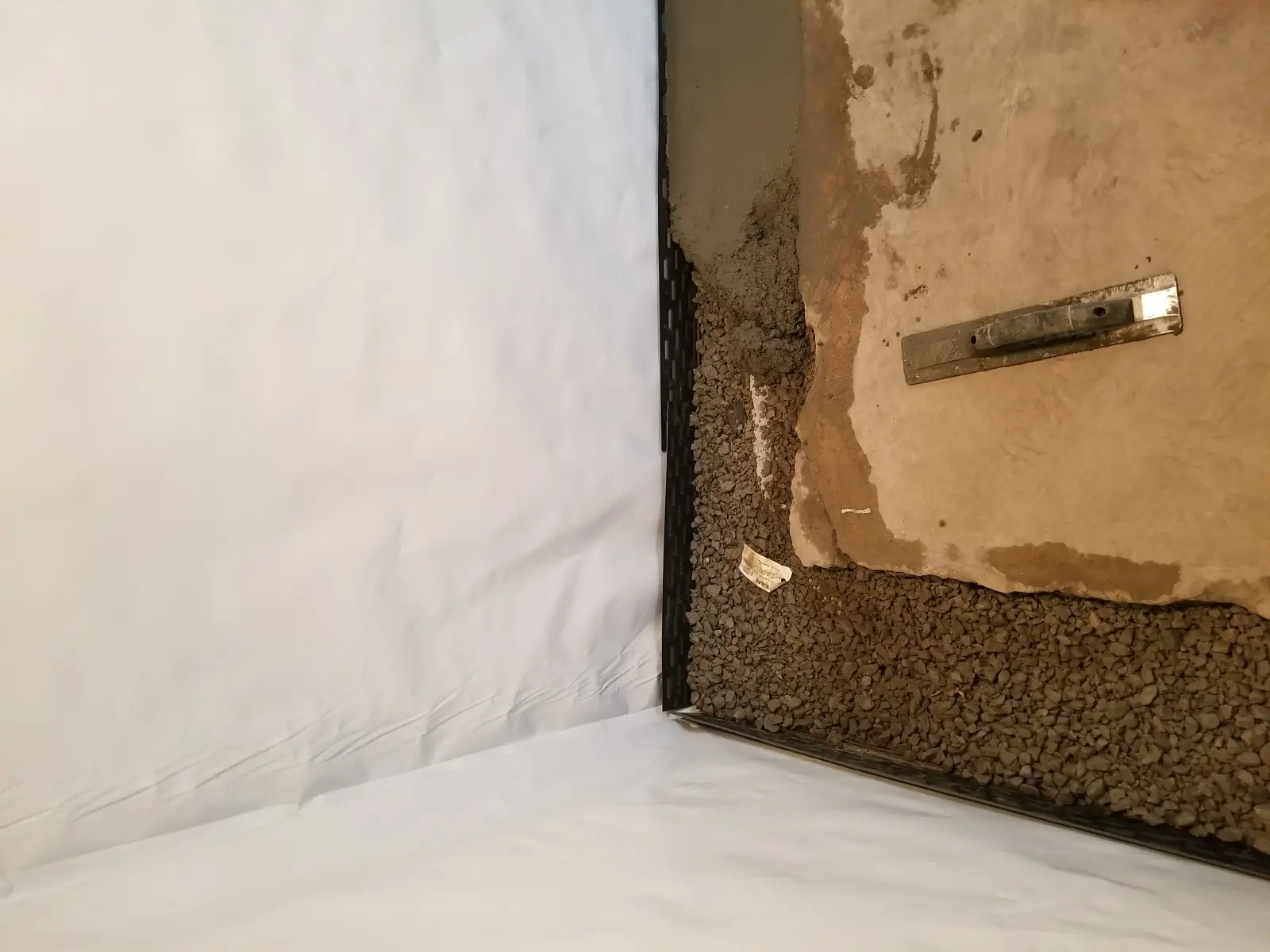
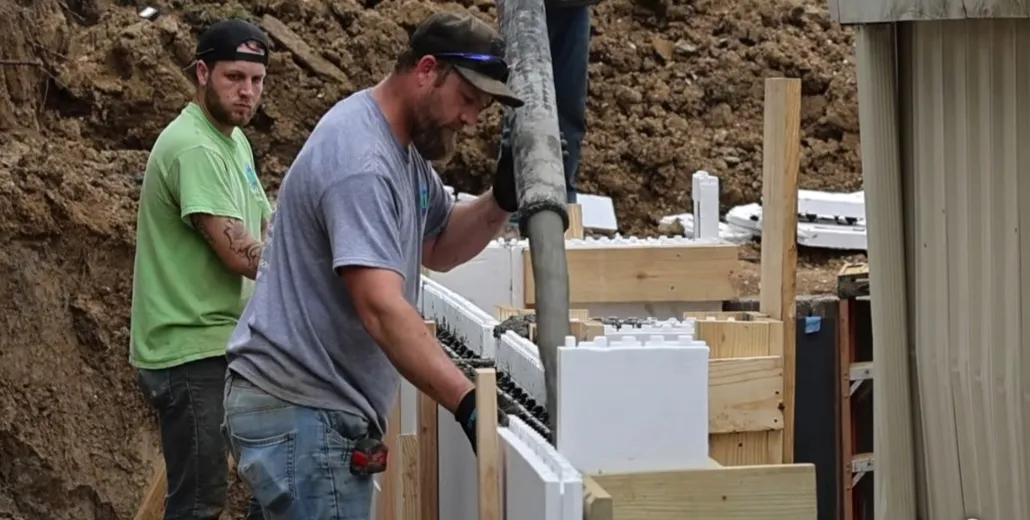
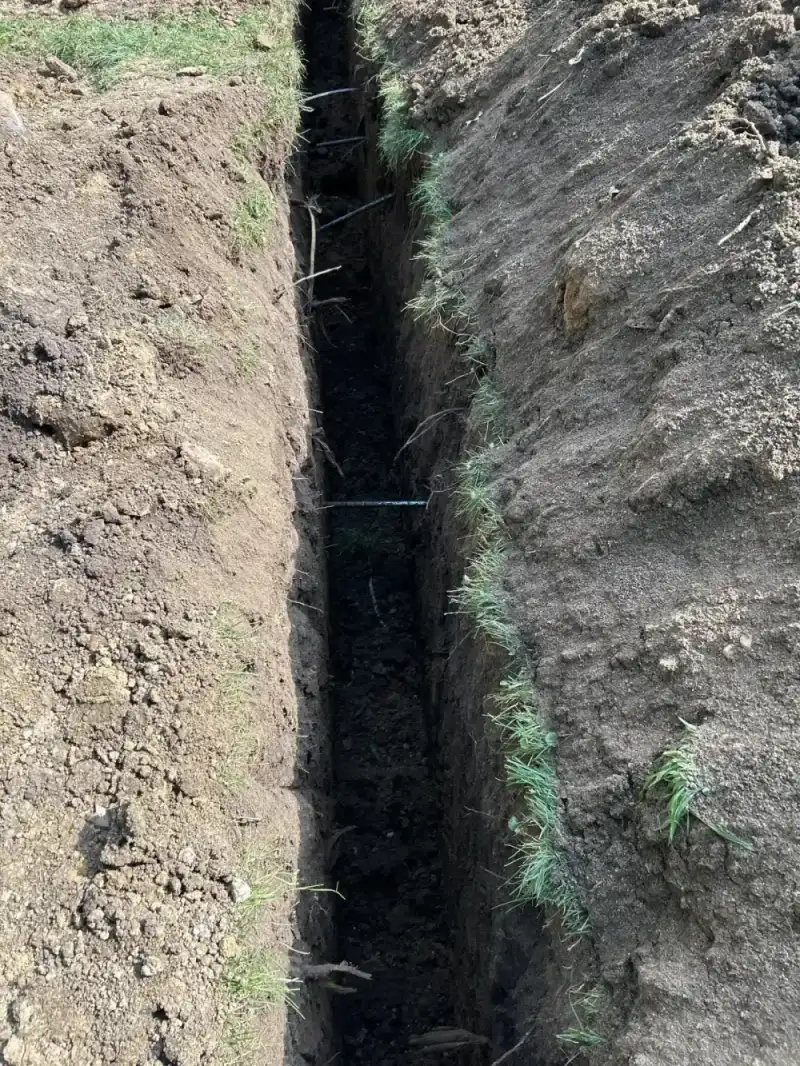
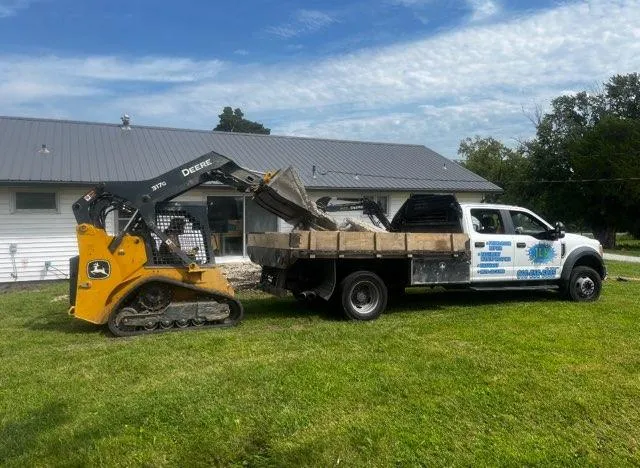
Every photo is from an actual JLB job site — not a stock photo. See the work we do every day across Kansas City and Des Moines.
Foundation Repair in North Kansas City — FAQ
Foundation repair costs in North Kansas City depend on the extent of damage, your foundation type, and the solution required. Most projects on stone foundation foundations in Clay County range from $3,000 to $15,000. We provide a free inspection with a detailed written estimate — no surprises.
Yes. North Kansas City's older stone and limestone foundations were built with lime-based mortar that deteriorates over decades. Combined with Clay County's aggressive clay soil that swells and contracts seasonally, these foundations develop mortar erosion, inward leaning, and water intrusion that newer construction methods are better equipped to handle. That said, even newer homes here need attention — the soil doesn't discriminate.
Yes. Sits on the flat floodplains north of the Missouri River. Homes on slopes face uneven soil pressure — the downhill side of the foundation takes more lateral load, leading to asymmetric cracking and settling. Homes near waterways deal with higher water tables that increase hydrostatic pressure against basement walls. Both conditions accelerate foundation damage in Clay County's clay.
Clay County requires permits for structural foundation work. JLB handles the entire permit process — from application to final inspection — so you don't have to navigate the building department yourself. We're experienced with Clay County's specific requirements and typical inspection timelines.
Absolutely. North Kansas City's older homes — many dating to the Early 20th-century residential core surrounded by industrial and modern developments. — are worth saving, and modern repair methods can stabilize even severely damaged foundations. Push piers reach load-bearing strata beneath the problem soil, wall anchors counter lateral pressure, and carbon fiber reinforcement prevents further bowing. We've stabilized foundations in Clay County that were 80+ years old.
The most common foundation issues we see in North Kansas City are directly related to the local conditions. The high water table in the river valley makes industrial-grade sump pump systems a necessity for any basement here. Homeowners typically call us about wall cracks, bowing basement walls, uneven floors, and doors or windows that no longer close properly. All of these trace back to how Clay County's soil interacts with the specific foundation types common in this area.
Not Sure What You're Dealing With?
Click any symptom below to learn what it means, what's likely causing it, and how we can help. Most of these are more common — and more fixable — than you'd think.
Diagonal, stair-step, or horizontal cracks in drywall, plaster, or brick usually trace back to soil movement beneath your foundation. The heavy clay soils in the Kansas City and Des Moines metros expand and contract seasonally, which can shift your foundation over time. The good news: this is very fixable with the right approach.
Water entering through floor joints, wall cracks, or seeping through porous concrete means groundwater pressure is pushing moisture into your basement. An interior drainage system and sump pump can solve this permanently — and we can usually have it done in a day or two.
When a foundation settles unevenly, it can shift your home's frame just enough to make doors and windows bind. This is one of the earlier signs of foundation movement — and catching it early often means a simpler, less expensive repair.
That musty smell is moisture. Up to 40% of the air in your home rises from below — from your crawlspace and basement. If there's excess humidity down there, it affects your whole home. Encapsulation seals it out, and you'll notice the difference in your air quality right away.
Floors that slope toward the center or an exterior wall usually mean the support structure underneath needs attention. Push piers can stabilize your foundation and often lift it back to level — giving your floors a second life.
When soil washes out or compacts beneath a concrete slab, the slab drops and becomes uneven. Polyjacking uses expanding polyurethane foam to fill the void and lift the concrete back to grade — usually in under a day, with no heavy equipment needed.
Water collecting near your foundation means your grading or drainage isn't directing water away effectively. French drains, regrading, extended downspouts, and drain pipes can redirect water away from the house — protecting your foundation for the long haul.
A basement wall that has bowed more than 2 inches inward, shifted off its footing, or shows multiple structural cracks may have moved beyond what bracing can fix. When carbon fiber straps, I-beams, or wall anchors are not enough, the wall needs to be removed and rebuilt with reinforced concrete. This is the last resort — but it is the permanent fix when the wall itself is compromised.
Get Your Free Foundation Inspection in North Kansas City
North Kansas City's stone and limestone foundations need specialized assessment. Fill out the form and our crew will evaluate your walls, footings, and soil conditions — all at no cost. Or call us now at(816) 656-6835.
Get Your Free Inspection
Takes 30 seconds. We'll call within 24 hours.
Thank You!
We received your request. A foundation specialist will contact you within 24 hours to schedule your free inspection.
Where Else Does JLB Provide Foundation Repair?
Our Locations
We're always close enough to help — our crews are local to your area.
JLB Foundation Repair & Basement Waterproofing — Kearney
24011 State Rte 92Kearney, MO64060(816) 656-6835 View on Google Maps
JLB Foundation Repair & Basement Waterproofing — Kansas City
111 NE 72nd St Ste 111Kansas City, MO64119(816) 656-6835 View on Google Maps
Stop the Damage. Get Answers Today.
A free inspection takes 45 minutes and tells you exactly what's going on under your house — and exactly what it takes to fix it.