JLB Basement Waterproofing & Foundation Repair in Pleasant Hill
Serving Pleasant Hill and Polk County with 4 specialized foundation and waterproofing services. Local expertise. Permanent solutions. Free inspections.
Solutions That Last the Life of Your Home
Every foundation problem has a permanent fix. We use engineered systems — not quick patches — backed by transferable warranties and decades of field experience.
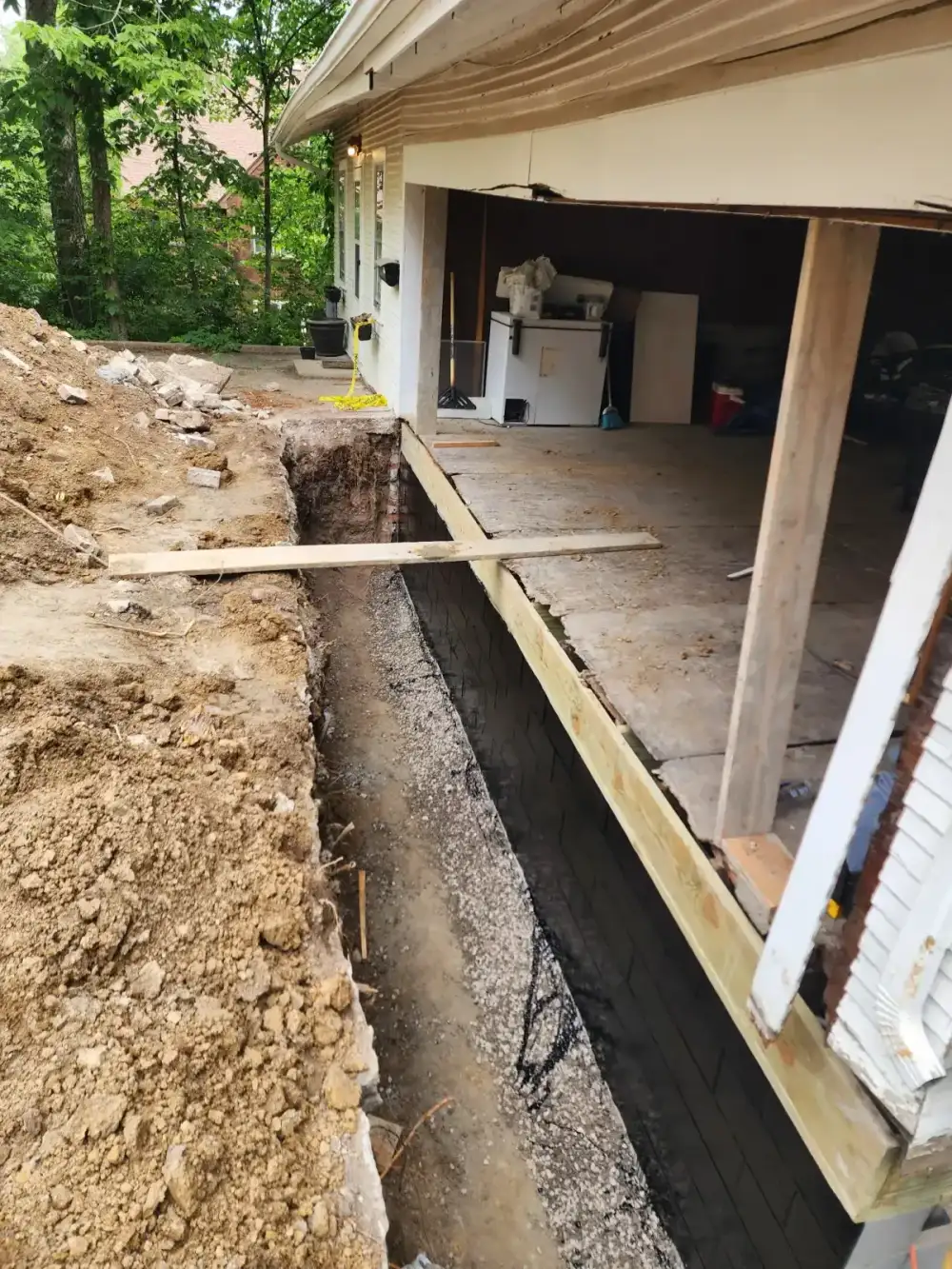
Foundation Repair
Steel push piers and wall anchors to stabilize and lift settling foundations. Stop the cracks, level the floors, save the home.
Learn More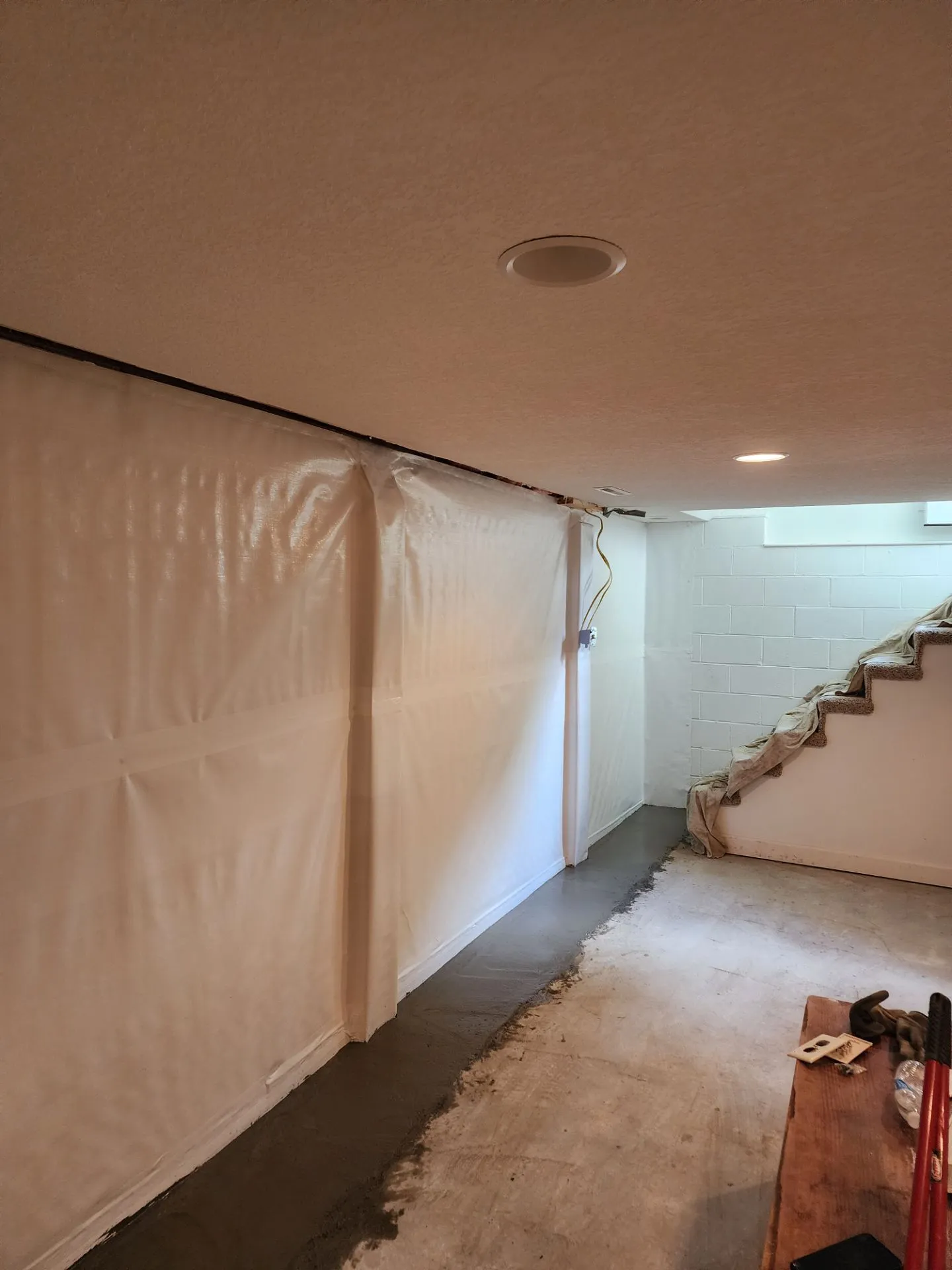
Basement Waterproofing
Interior drainage systems, sump pumps, and vapor barriers to keep your basement permanently dry. No more water. No more worry.
Learn More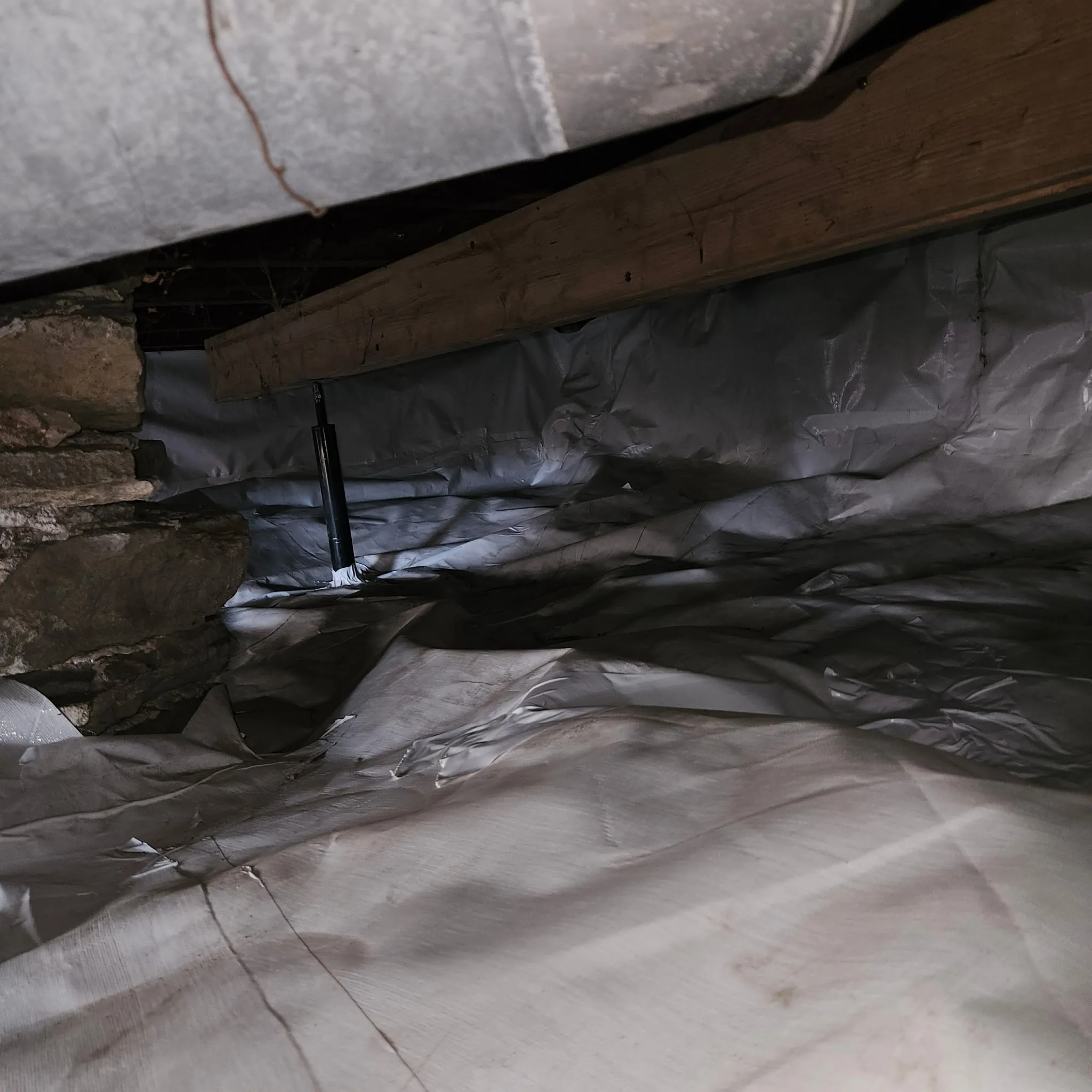
Crawlspace Encapsulation
Full encapsulation with spray foam for BOTH crawlspace and basement — twice the protection competitors offer, at a lower cost.
Learn More
French Drains & Drainage
French drains, extended downspouts, regrading, and drain pipes to redirect water away from your foundation permanently.
Learn More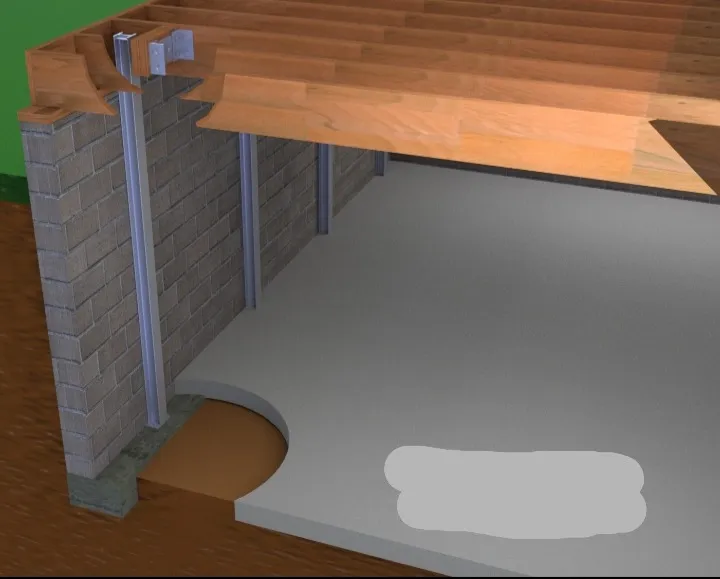
Foundation Wall Replacement
Complete removal and reconstruction of severely damaged foundation walls with new reinforced concrete, drainage, and waterproofing.
Learn MoreWhat Foundation and Waterproofing Services Are Available in Pleasant Hill?
Pleasant Hill is a close-knit community of about 10000 in Polk County. The homes here may not number in the tens of thousands, but they sit on the same aggressive clay soil that affects the entire Des Moines region — and they face the same foundation and waterproofing challenges as any home in the metro.
Pleasant Hill's growth pattern — Modern suburban community with over 60% of housing built after 1980. — shaped the foundation types you'll find throughout the city. Poured concrete basement are the most common, built during an era when construction prioritized speed and affordability. While foundations are newer here, the steep grades can lead to settlement issues as runoff erodes the supporting soil on downslope sides.
Directly east of Des Moines; hilly terrain that drops toward the Des Moines River. Proximity to water means higher water tables and more hydrostatic pressure on foundations. JLB provides 4 specialized services to Pleasant Hill homeowners — from foundation stabilization to drainage systems — each designed for the unique soil and moisture conditions here. Every job begins with a free inspection.
Pleasant Hill at a Glance
Where Does JLB Serve in Pleasant Hill, IA?
JLB provides foundation repair and waterproofing throughout Pleasant Hill and the surrounding Polk County area. Our crews know every part of this community.
What Foundation Types Are Common in Pleasant Hill?
The homes in Pleasant Hill sit on a range of foundation types, each with its own vulnerabilities. Here's what our crews see most often in Polk County.
Poured concrete basement
Poured concrete basements from Pleasant Hill's postwar building boom have had 40-70 years of Polk County's clay pressing against them. Even solid poured walls develop cracks over that timespan — vertical fractures near corners and horizontal stress lines that indicate sustained lateral pressure from the soil.
What Warning Signs Should Pleasant Hill Homeowners Watch For?
Catching foundation and waterproofing problems early saves thousands of dollars in repairs. If you see any of these in your Pleasant Hill home, it's time to call for a free inspection.
Vertical or diagonal cracks in Pleasant Hill's poured concrete walls — hairline cracks that grow wider as Polk County's clay continues to shift
Learn about Foundation Repair →Water pooling in your basement after rain or snowmelt — Pleasant Hill's proximity to waterways and high water table make basement moisture a persistent challenge
Learn about Waterproofing →Musty odors, mold, or sagging floors above crawlspaces — in Pleasant Hill's low-lying areas, ground moisture rises into the crawlspace and affects the entire home
Learn about Crawlspace Encapsulation →Doors, windows, or cabinets that stick, jam, or don't close properly — a common sign of foundation movement in Pleasant Hill homes
Learn about Foundation Repair →Who Is the JLB Team Serving Des Moines?
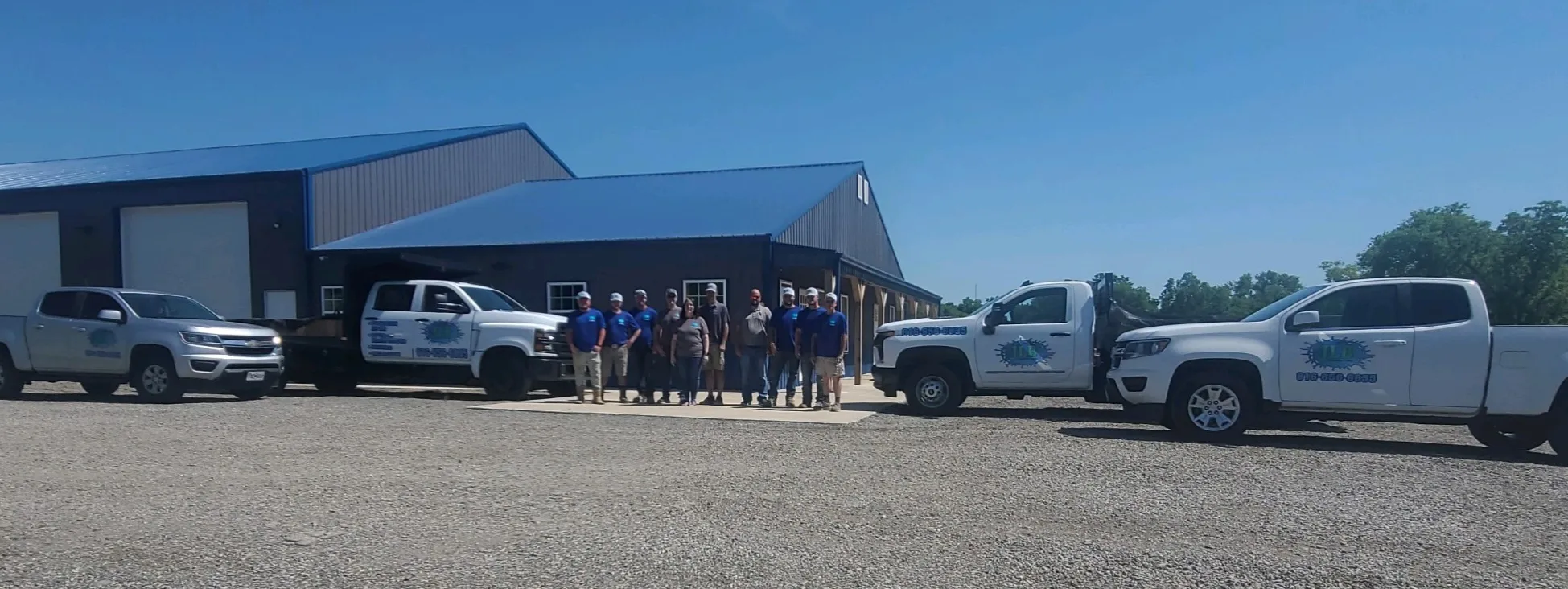
Numbers That Speak for Themselves
If Your Pleasant Hill Home Was Built in the '50s-'80s, the Foundation Needs Checking
Postwar construction methods prioritized speed — and the foundations show it after decades of Polk County's clay pressure. Cracks, bowing walls, and wet basements are all signs it's time for a professional assessment. Our inspections are free.
Not Sure What You're Dealing With?
Click any symptom below to learn what it means, what's likely causing it, and how we can help. Most of these are more common — and more fixable — than you'd think.
Diagonal, stair-step, or horizontal cracks in drywall, plaster, or brick usually trace back to soil movement beneath your foundation. The heavy clay soils in the Kansas City and Des Moines metros expand and contract seasonally, which can shift your foundation over time. The good news: this is very fixable with the right approach.
Water entering through floor joints, wall cracks, or seeping through porous concrete means groundwater pressure is pushing moisture into your basement. An interior drainage system and sump pump can solve this permanently — and we can usually have it done in a day or two.
When a foundation settles unevenly, it can shift your home's frame just enough to make doors and windows bind. This is one of the earlier signs of foundation movement — and catching it early often means a simpler, less expensive repair.
That musty smell is moisture. Up to 40% of the air in your home rises from below — from your crawlspace and basement. If there's excess humidity down there, it affects your whole home. Encapsulation seals it out, and you'll notice the difference in your air quality right away.
Floors that slope toward the center or an exterior wall usually mean the support structure underneath needs attention. Push piers can stabilize your foundation and often lift it back to level — giving your floors a second life.
When soil washes out or compacts beneath a concrete slab, the slab drops and becomes uneven. Polyjacking uses expanding polyurethane foam to fill the void and lift the concrete back to grade — usually in under a day, with no heavy equipment needed.
Water collecting near your foundation means your grading or drainage isn't directing water away effectively. French drains, regrading, extended downspouts, and drain pipes can redirect water away from the house — protecting your foundation for the long haul.
A basement wall that has bowed more than 2 inches inward, shifted off its footing, or shows multiple structural cracks may have moved beyond what bracing can fix. When carbon fiber straps, I-beams, or wall anchors are not enough, the wall needs to be removed and rebuilt with reinforced concrete. This is the last resort — but it is the permanent fix when the wall itself is compromised.
Why Do Pleasant Hill Homeowners Choose JLB?
Iowa Licensed & Polk County Experienced
We're fully licensed in Iowa and experienced with Polk County's building requirements. Permit applications, structural inspections, code compliance — we handle the process so you don't have to learn it.
Dedicated Crew, Start to Finish
In Pleasant Hill, you get the same team from the first inspection through the final walkthrough. No subcontractors, no handoffs between crews. One team that knows your project inside and out.
Engineered for Your Terrain
Pleasant Hill's topography means homes face different pressures depending on where they sit — slopes, low spots, and areas near water all create unique challenges. We design every repair for the actual conditions on your specific lot.
Straightforward Pricing
We give Pleasant Hill homeowners a clear written estimate with no hidden costs. If financing helps, we have flexible plans available — but either way, you'll know exactly what the project costs before we start.
What Pleasant Hill ZIP Codes Does JLB Serve?
What Our Customers Say
"We had cracks running up our walls and doors that wouldn't close. JLB came out, explained exactly what was happening with the soil under our house, and had the piers installed in two days. Floors are level again. Wish we hadn't waited so long."
"Three other companies gave us the runaround. JLB showed up, did a thorough inspection, and gave us a straight answer. The repair held up through an entire Missouri winter with zero new cracking."
"Our crawlspace was a mess — moisture, mold, the works. JLB encapsulated it AND spray-foamed our basement in the same project. The difference in our home's air quality is incredible. Great value for the price."
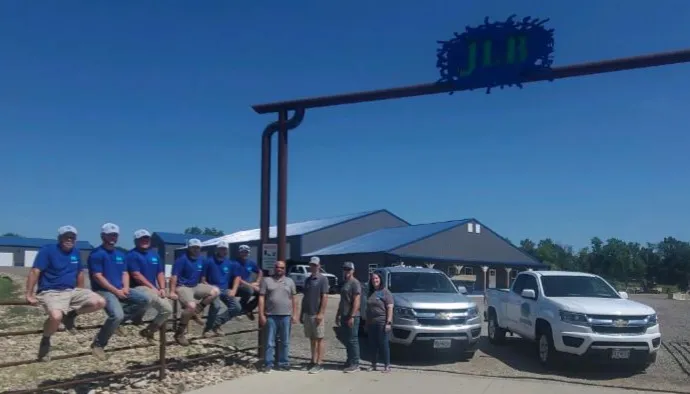
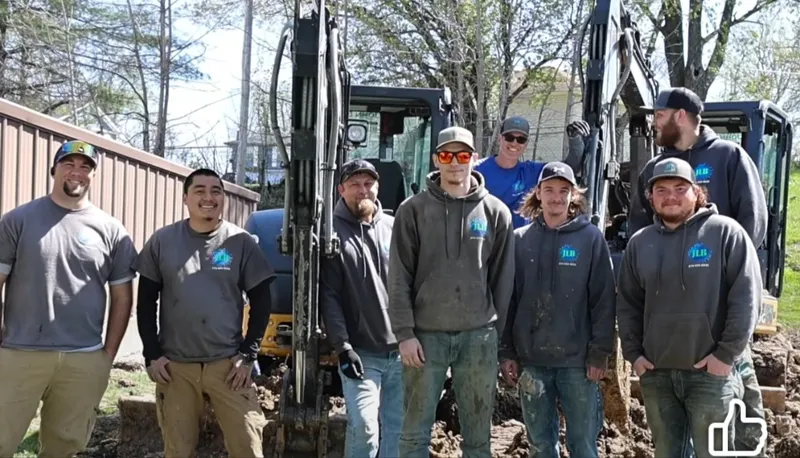
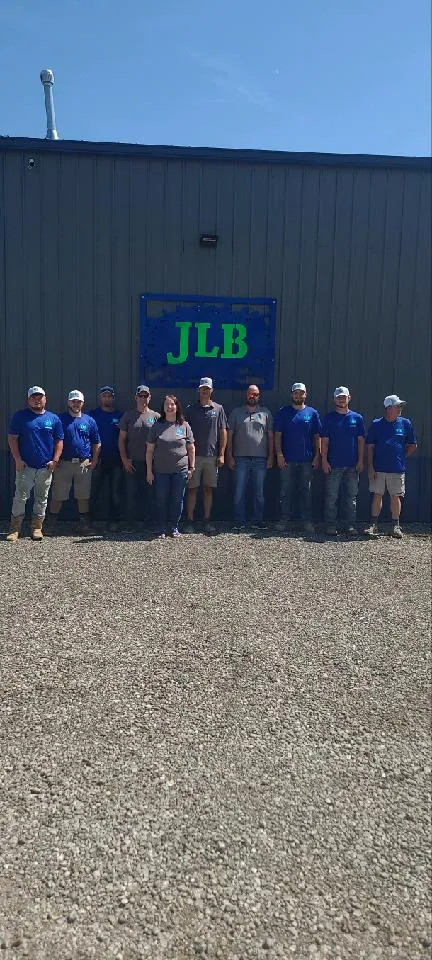
Real Team. Real Work.
Right Here in Kansas City & Des Moines.
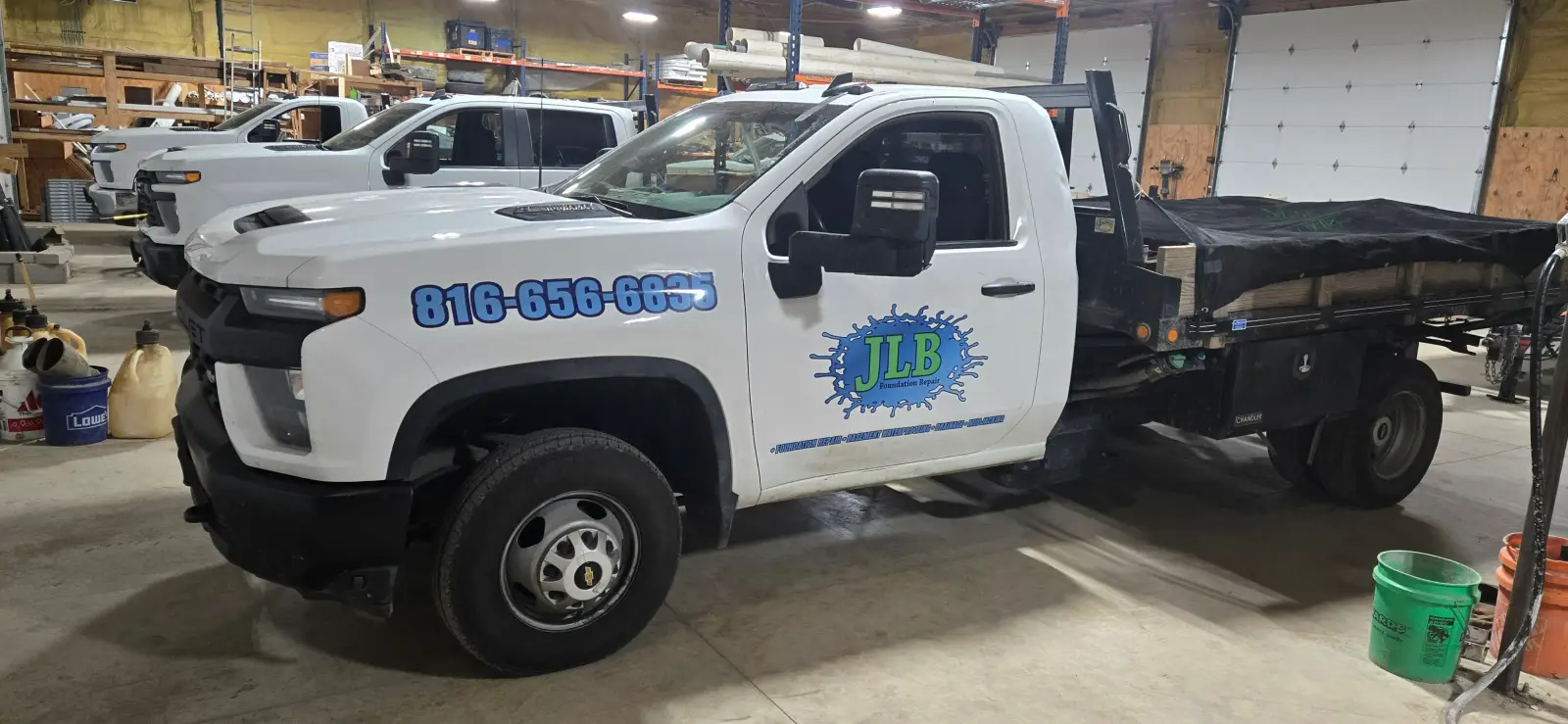
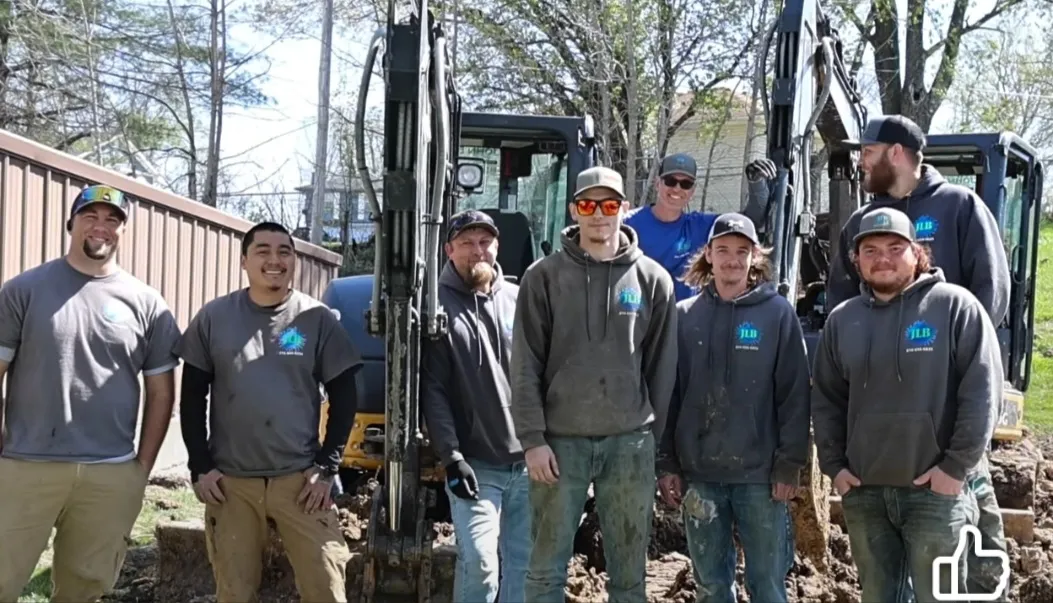
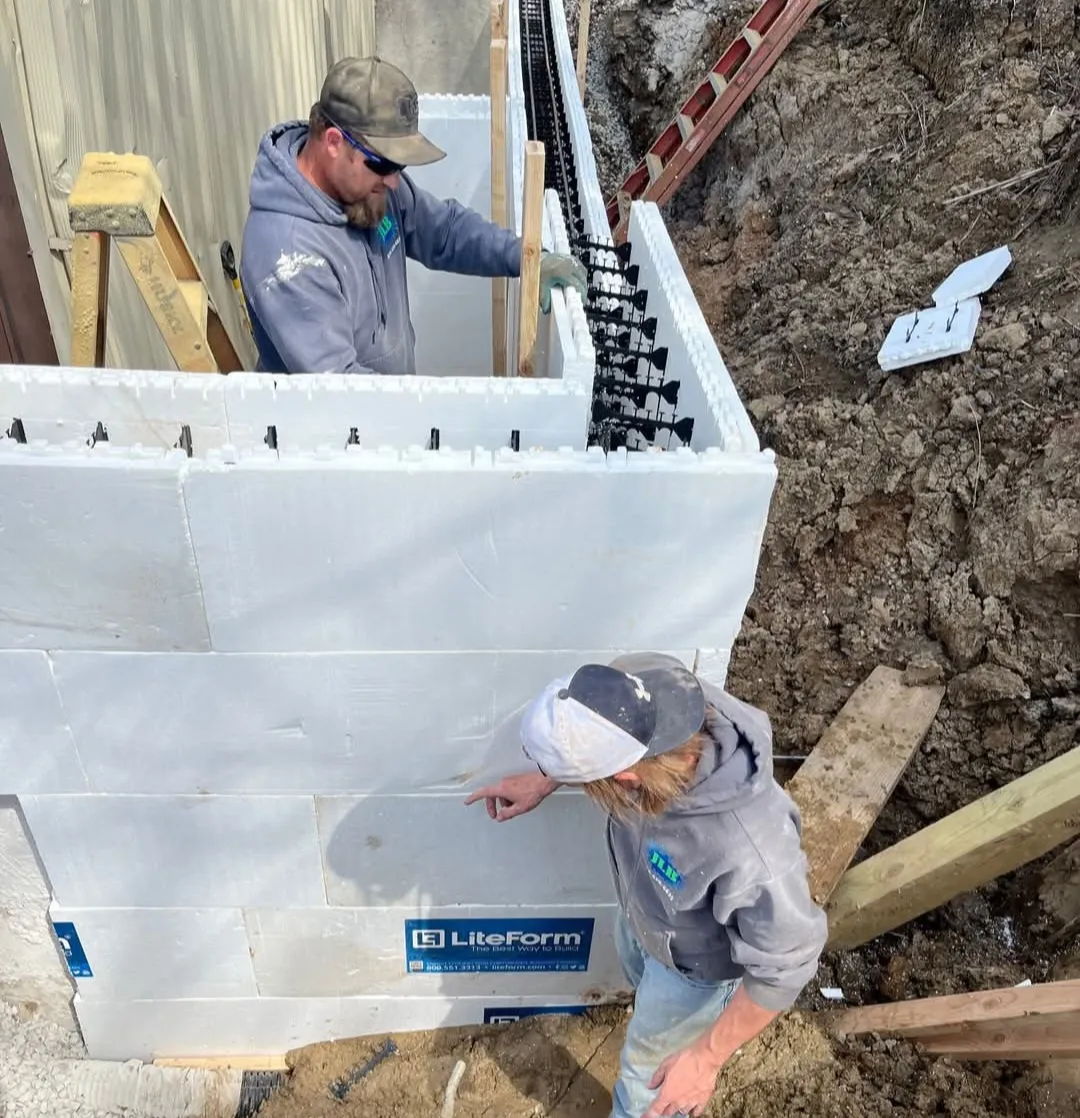
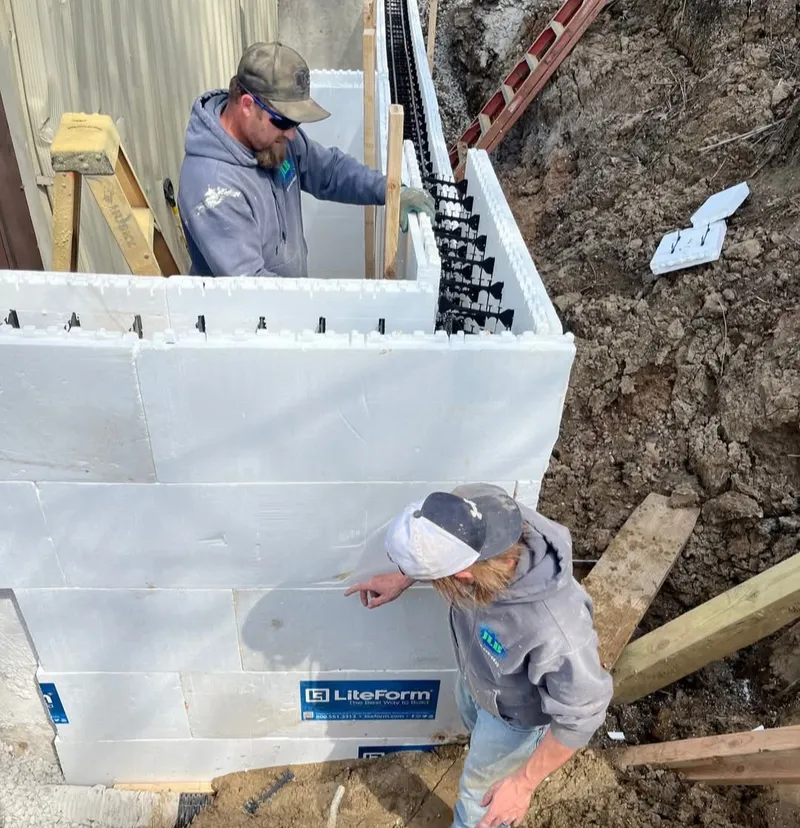
Real Projects. Real Results.
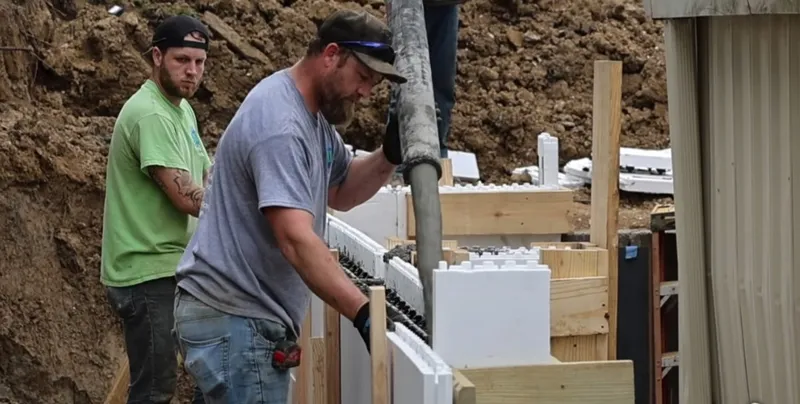
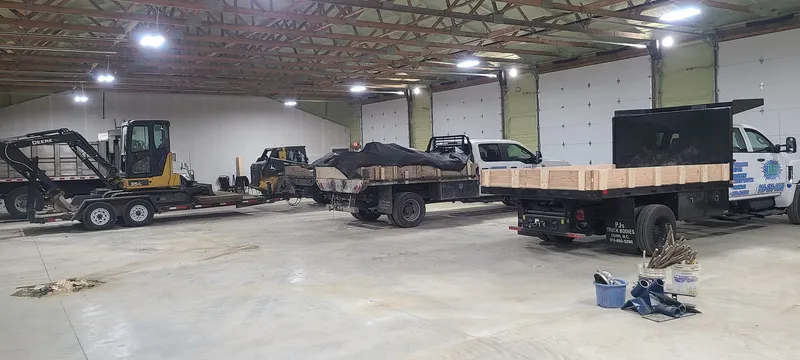
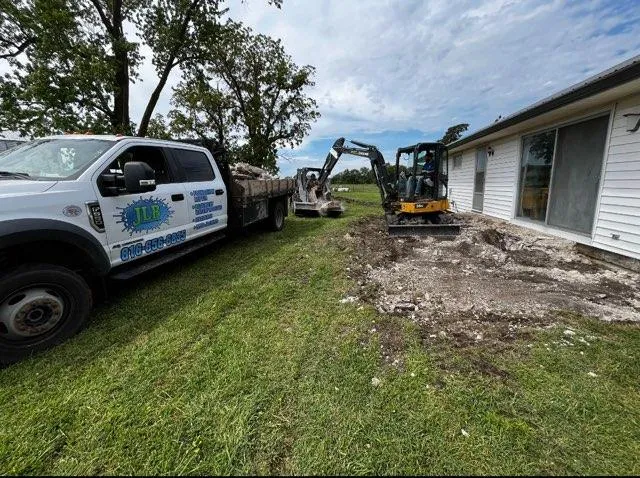
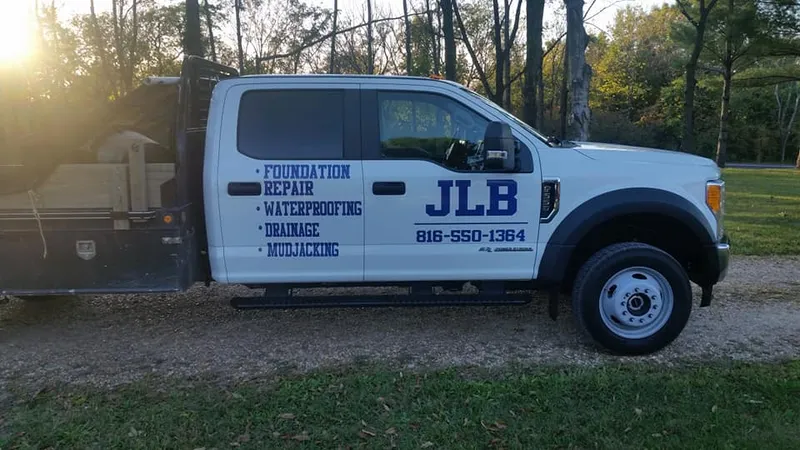
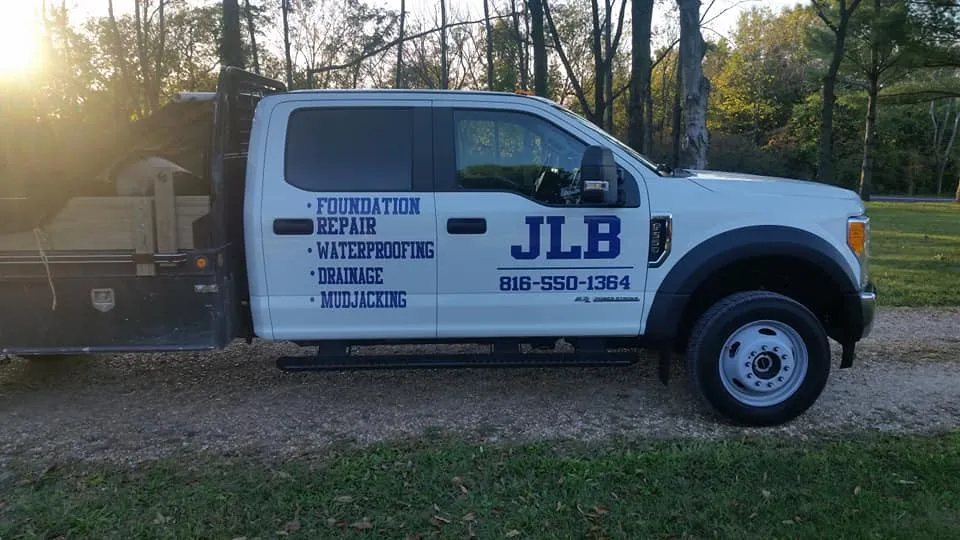
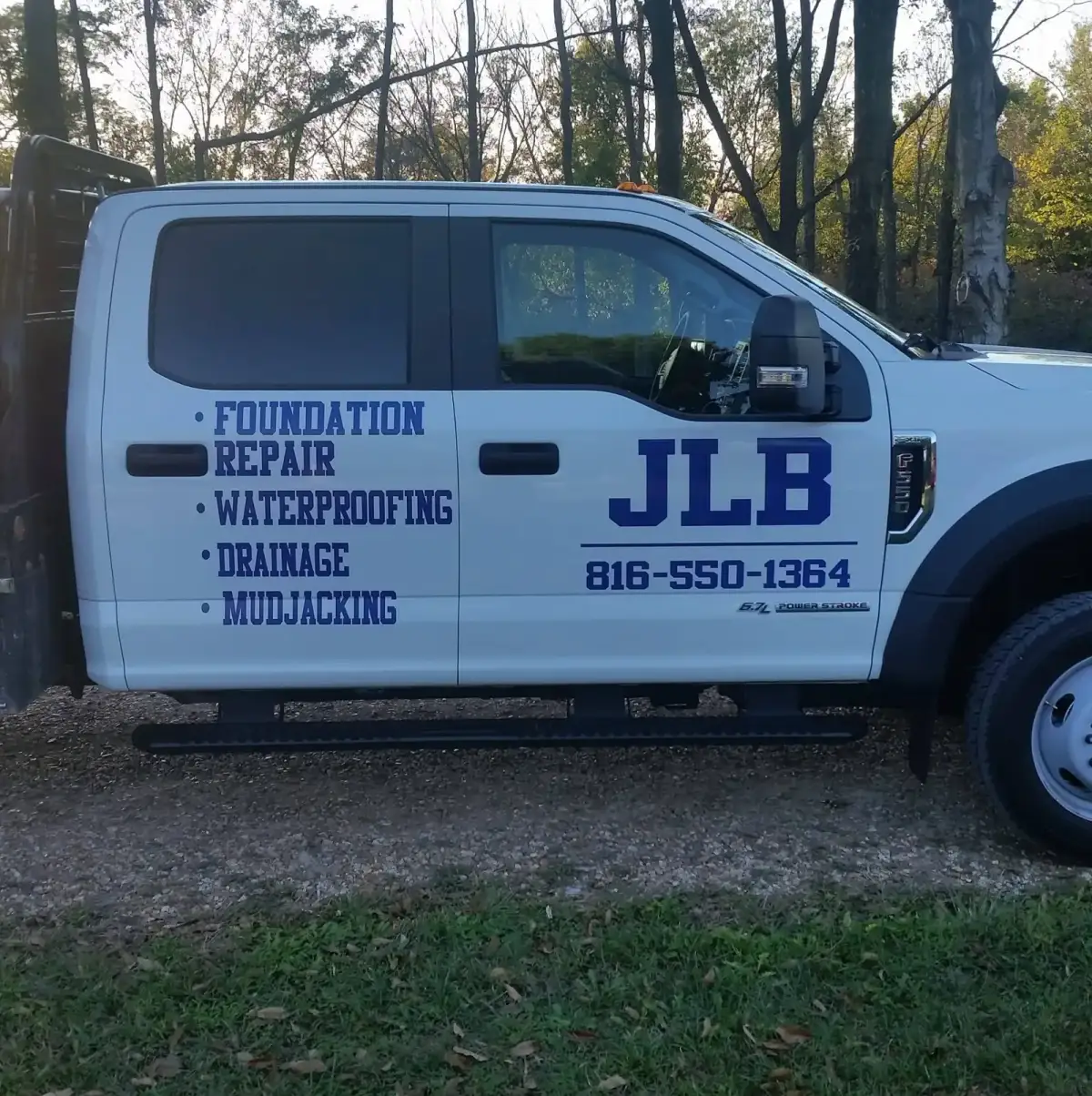
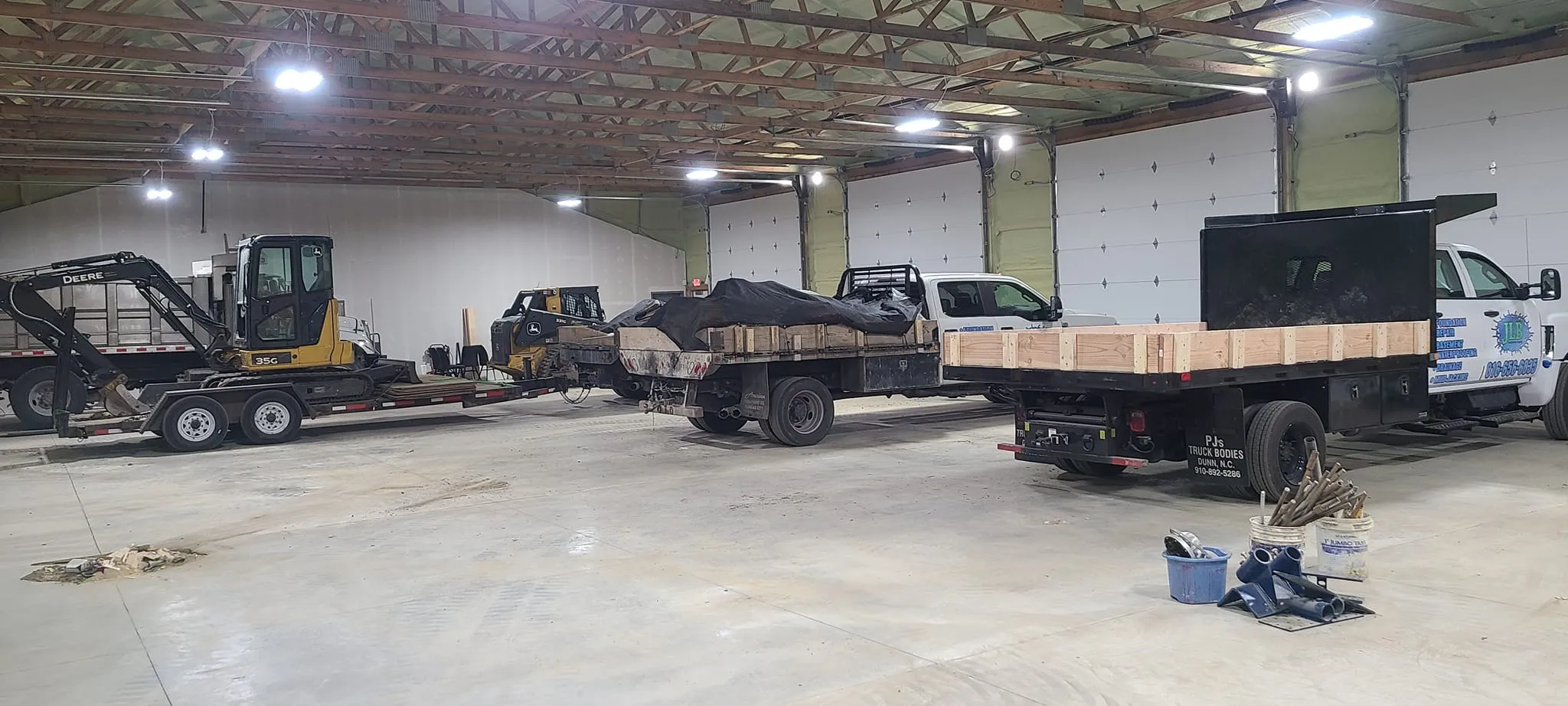
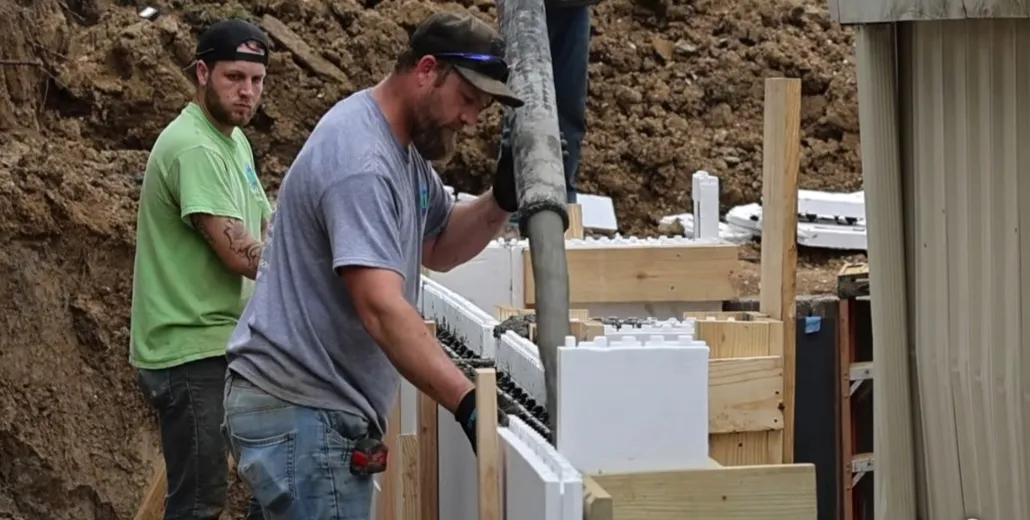
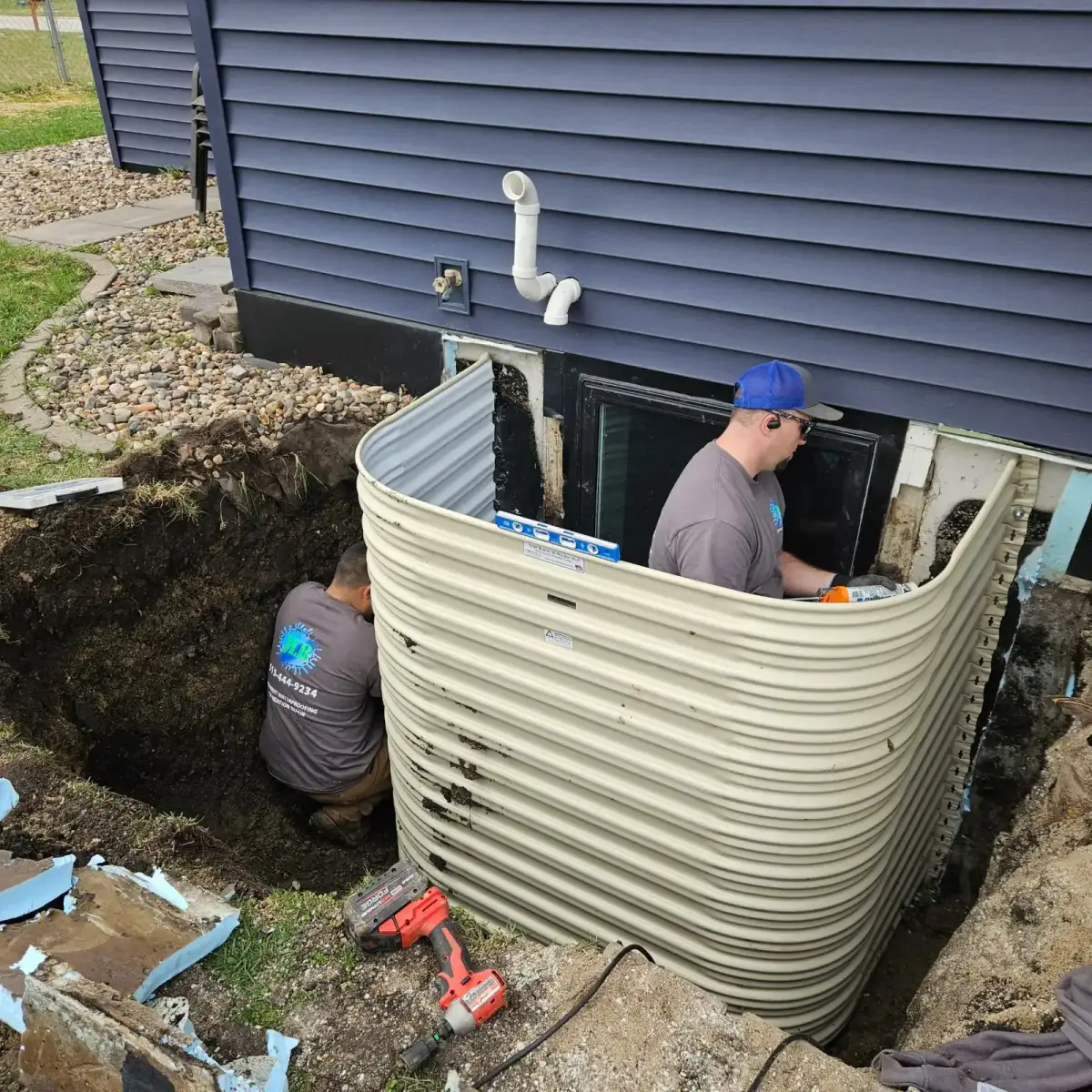
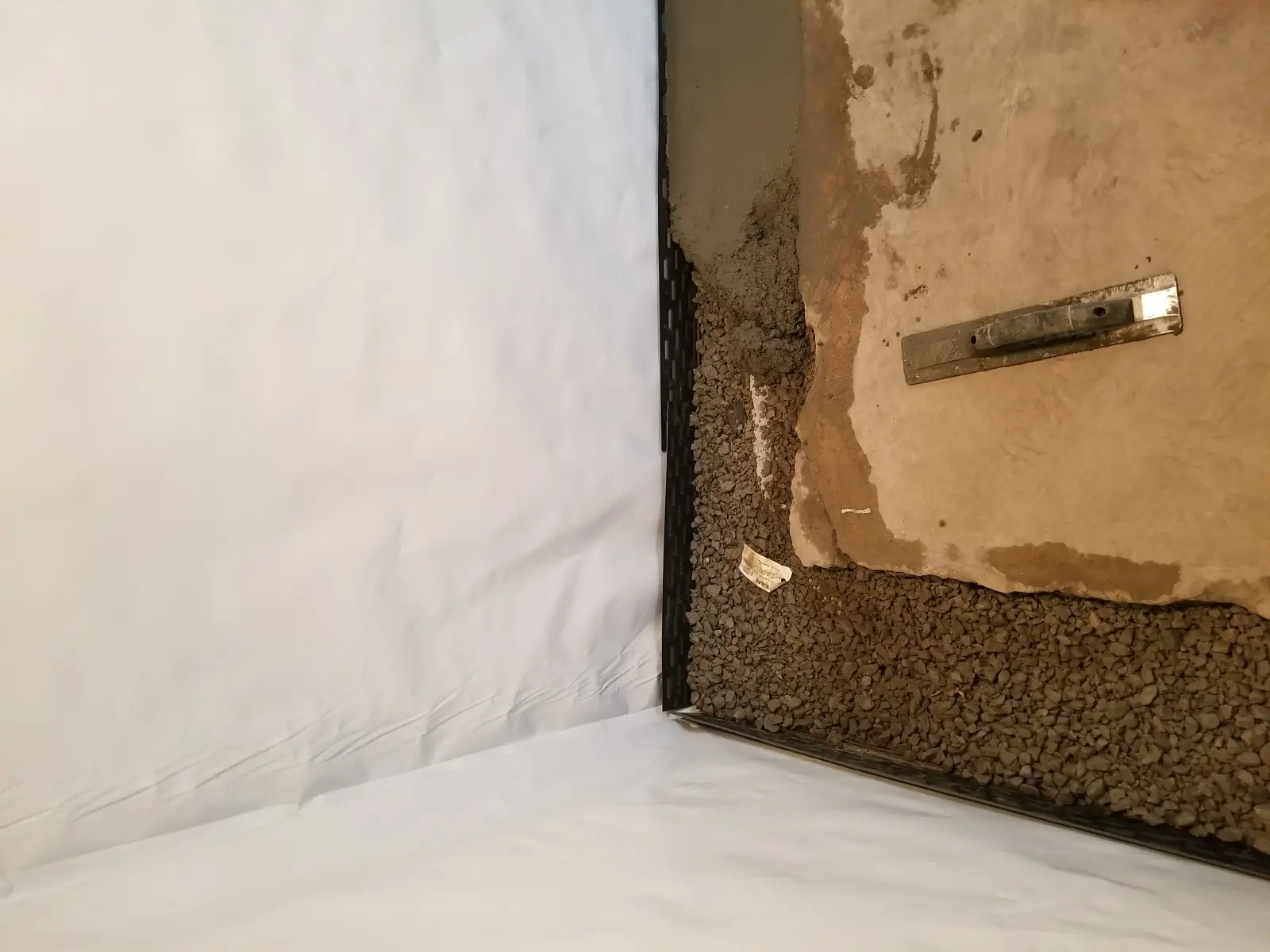
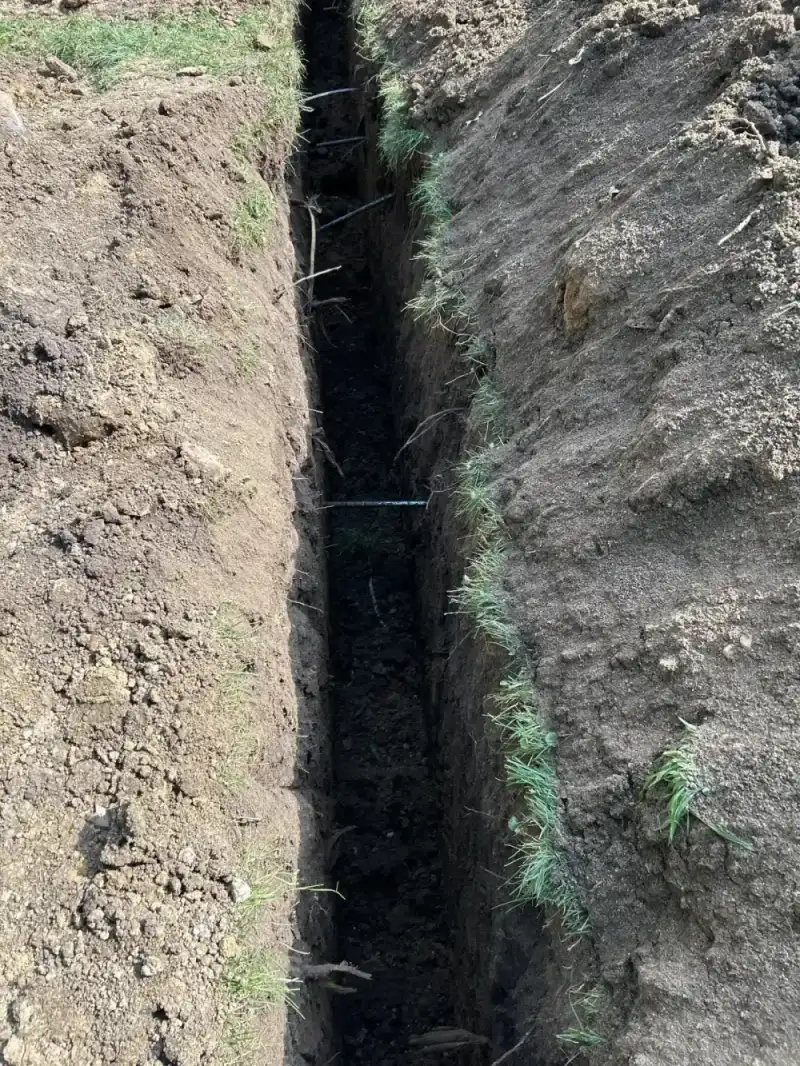
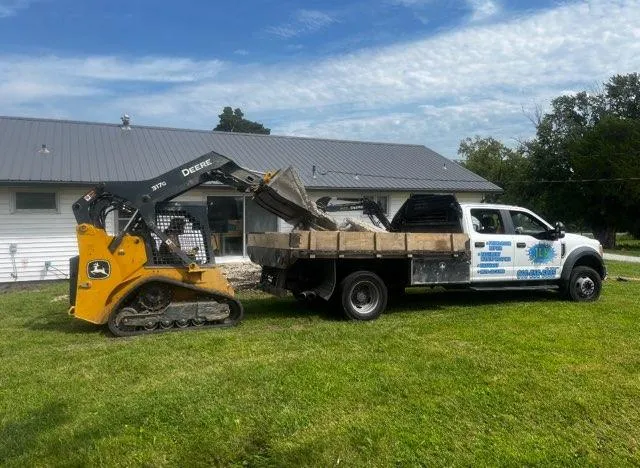
Every photo is from an actual JLB job site — not a stock photo. See the work we do every day across Kansas City and Des Moines.
Foundation Repair in Pleasant Hill — FAQ
The most common issues we see in Pleasant Hill are wall cracks (vertical and diagonal cracks in poured concrete), basement water intrusion, uneven or settling floors, and doors or windows that stick. While foundations are newer here, the steep grades can lead to settlement issues as runoff erodes the supporting soil on downslope sides. All of these trace back to how Polk County's expansive clay interacts with the specific foundation types in your neighborhood.
Foundation problems in Pleasant Hill correlate with housing age and foundation type more than specific neighborhoods. Areas with Modern suburban community with over 60% of housing built after 1980. housing tend to have the most issues because those foundations have endured decades of Polk County's clay pressure. That said, Polk County's soil affects the entire city — we've done work in virtually every part of Pleasant Hill.
Yes. Directly east of Des Moines; hilly terrain that drops toward the Des Moines River. Higher water tables mean more persistent hydrostatic pressure against basement walls, and clay soil near waterways stays saturated longer. Pleasant Hill homes in low-lying areas or near creeks often face more severe waterproofing challenges than homes on higher ground.
Foundation repair costs in Pleasant Hill vary widely based on the scope of damage and the solution needed. Minor crack repairs may cost $500-$2,000. Pier installation for settling foundations typically ranges from $5,000-$15,000. Full waterproofing systems run $3,000-$12,000. We provide free inspections with detailed, written estimates — no surprises and no pressure.
JLB provides 4 services to Pleasant Hill homeowners: foundation repair (push piers, wall anchors, carbon fiber), basement waterproofing (interior drainage, sump pumps, crack injection), crawlspace encapsulation (spray foam + vapor barriers for both crawlspace and basement), and French drain installation with grading and downspout work. Every service starts with a free inspection.
A JLB technician visits your Pleasant Hill home and examines the foundation inside and out — checking for cracks, wall movement, floor levelness, moisture, and drainage. For poured concrete basement foundations common in Polk County, we look for the specific failure patterns associated with that construction type. The inspection takes about 45 minutes and ends with a clear explanation of what we found, what (if anything) needs repair, and exactly what it costs. There's no obligation.
Ready to Solve Your Pleasant Hill Foundation Problem?
The foundations in Pleasant Hill's postwar-era homes have decades of soil pressure behind them. Fill out the form for a free inspection — we'll evaluate the damage and explain your options clearly.
Get Your Free Inspection
Takes 30 seconds. We'll call within 24 hours.
Thank You!
We received your request. A foundation specialist will contact you within 24 hours to schedule your free inspection.
Our Locations
We're always close enough to help — our crews are local to your area.
JLB Basement Waterproofing & Foundation Repair — Des Moines
97 Indiana Ave Suite #1Des Moines, IA50314(515) 444-9234 View on Google Maps
Stop the Damage. Get Answers Today.
A free inspection takes 45 minutes and tells you exactly what's going on under your house — and exactly what it takes to fix it.