
Crawlspace Encapsulation in Clive, Iowa — Keep the Greenbelt's Damp Out of Your Lower Level
Clive is built the length of the Walnut Creek Greenbelt — a long, narrow city that wraps a wooded creek valley — and that setting is why crawlspace moisture is so common here. The creek keeps the water table shallow along the corridor, so homes near the greenbelt sit over ground that never fully dries, while higher lots away from it stay drier. JLB seals the crawlspace and the basement together so a greenbelt-side home stays dry regardless of how close the creek runs.
Get a precise analysis of your foundation and waterproofing situation, and a clear estimate on what any fixes or corrections might cost.
Takes 30 seconds. We'll call within 24 hours.
We'll be in touch within 24 hours.
Why does living along the Walnut Creek Greenbelt keep my Clive crawlspace damp?
The reason so many Clive crawlspaces stay damp comes down to the shape of the city. Clive is stretched the long way along the Walnut Creek Greenbelt, a wooded creek valley that runs almost the entire length of town, so an unusually large share of Clive homes sit within the creek corridor's moisture influence. A creek like Walnut keeps the water table shallow in the ground right beside it, and that ground doesn't fully dry between rains the way an upland lot does. A crawlspace over that consistently moist soil has a steady supply of ground vapor to evaporate into the space above it.
Where a home sits along that corridor, and when it was built, changes how the moisture gets inside. East Clive is the mature side — a 1970s suburban core where many homes stand on concrete block, and block's porous mortar joints wick the greenbelt's shallow-table moisture through by capillary action. West Clive is the newer, higher-end side, built through the 1990s and 2010s on poured foundations, often with a partial crawl under a sunroom or bonus wing; there the moisture arrives as ground vapor rising into a vented crawl. The clay-heavy soil under both sides holds water well once it's in, which is why a Clive crawl near the greenbelt tends to read damp long after the weather clears.
From the crawl, the house does the distributing. Warm air rising through the living levels draws the crawl's humid, earthy air up through joist gaps and utility chases, so the crawl quietly sets the humidity — and the smell — of the rooms above it. Homeowners near the greenbelt describe it as a lower level that never feels dry, a musty note that returns every wet season, and a cool, clammy floor over the crawl. None of that is structural; it's a moisture-and-air problem that tracks exactly how close the home sits to the creek corridor.
JLB seals the crawl and the adjoining basement as one system, because their air is connected — treat one and leave the other, and the untreated zone keeps feeding moisture back. We spray-foam both zones in a single visit, for less than hiring separate trades. A full Clive encapsulation covers:
- Interior drainage and a sump first, wherever the shallow greenbelt water table is putting active water into the crawl
- Sealing the foundation vents that let humid summer air condense on cool crawl soil and joists
- A reinforced liner mechanically sealed across the floor and up the walls — block on the east side, poured on the west
- Dual-zone closed-cell foam at both rim bands so the crawl and basement seal as one envelope
- A right-sized dehumidifier to hold the sealed space dry through the wet seasons the creek corridor draws out
Along a creek corridor the order matters: if the shallow water table is pushing active water into the crawl, that gets drained and pumped first — paired with waterproofing — so the liner isn't sealing water beneath it. The full step-by-step is on the crawlspace encapsulation page. Cost in Clive typically lands in the low-to-mid four figures and rises with drainage, a sump, a dehumidifier, or dual-zone foam; the closed-cell insulation portion may qualify for a federal energy-efficiency tax credit. An exact number needs an on-site look, because a crawl can't be priced until it's measured.

Meet the Team Serving Clive
JLB is a local crew — not a franchise. We handle crawlspace encapsulation across Clive and the Des Moines metro. Watch to see who shows up at your door.
Watch Crawlspace Encapsulation Work in Clive
Two Ways to Pay Over Time
12 Months Same As Cash
Pay the full balance within 12 months and you pay no interest.
5 Years at 6.99% APR
A lower monthly payment, spread over 60 months.
On approved credit. Ask for full terms at your free estimate.
Foundation and water problems rarely get cheaper while they wait.
How Do You Know Your Clive Crawlspace Needs Encapsulation?
The warning signs and what each one means are on our crawlspace encapsulation page.
Is your Clive crawlspace costing you money?
An open crawlspace is an open invitation for moisture, mold, and energy loss. Most Clive homeowners don't realize up to 40% of the air they breathe comes from below the floor. A free crawlspace inspection reveals what's really going on down there.
Four Steps to a Sealed Crawlspace
Each step is laid out on our crawlspace encapsulation page.

Who Provides Crawlspace Encapsulation in Clive?
Clive is a close-knit community of about 20000, and we treat it that way. Our Des Moines area crew handles every job in Clive personally — the same team that inspects your home is the same team that does the work. No subcontractors, no handoffs.
Call (515) 717-8560“Our floors were freezing in winter and the musty smell never went away. JLB spray foamed the rim joists, installed a vapor barrier, and put in a dehumidifier. The house is warmer, drier, and the smell is completely gone.”
Real Projects. Real Results.
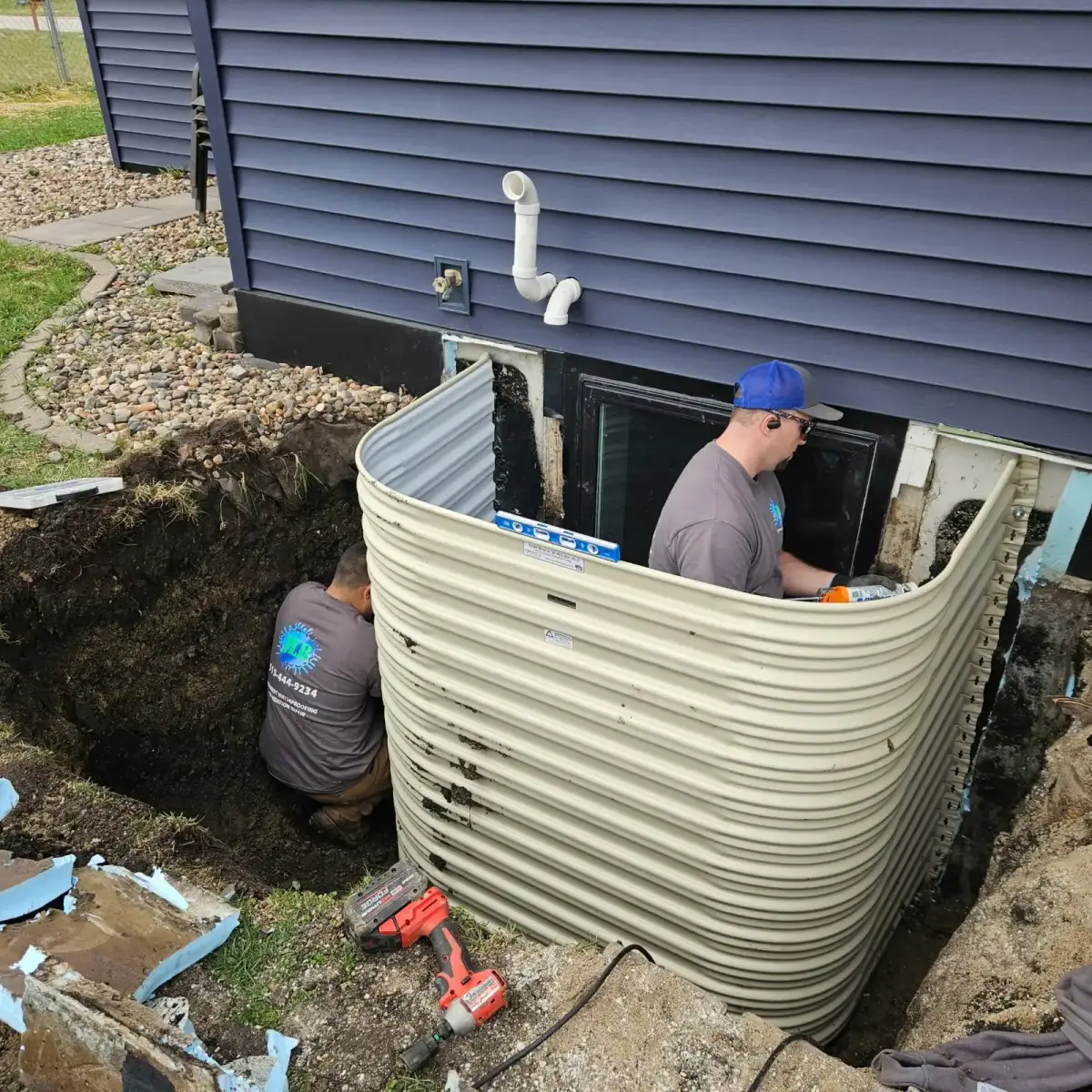
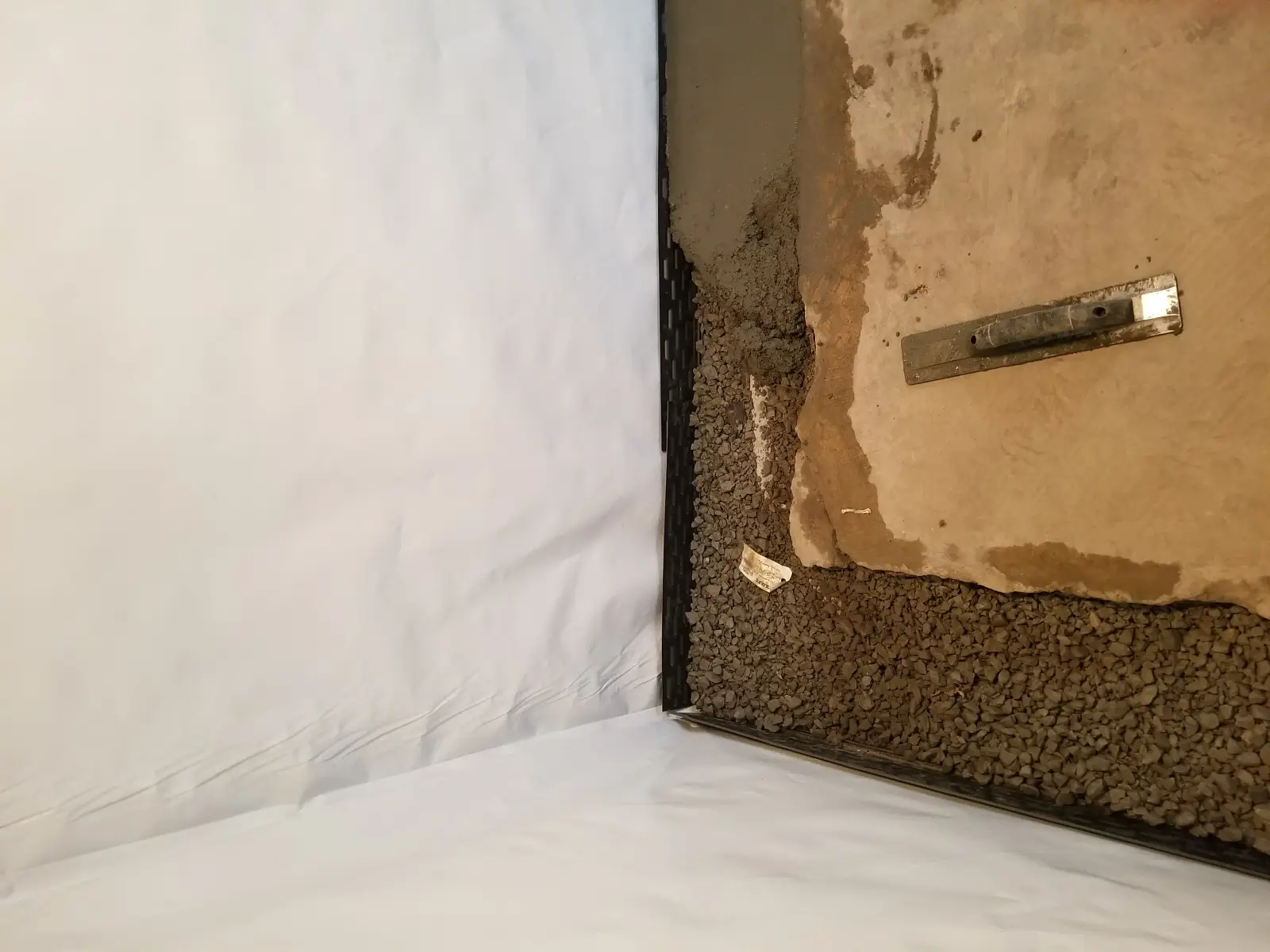
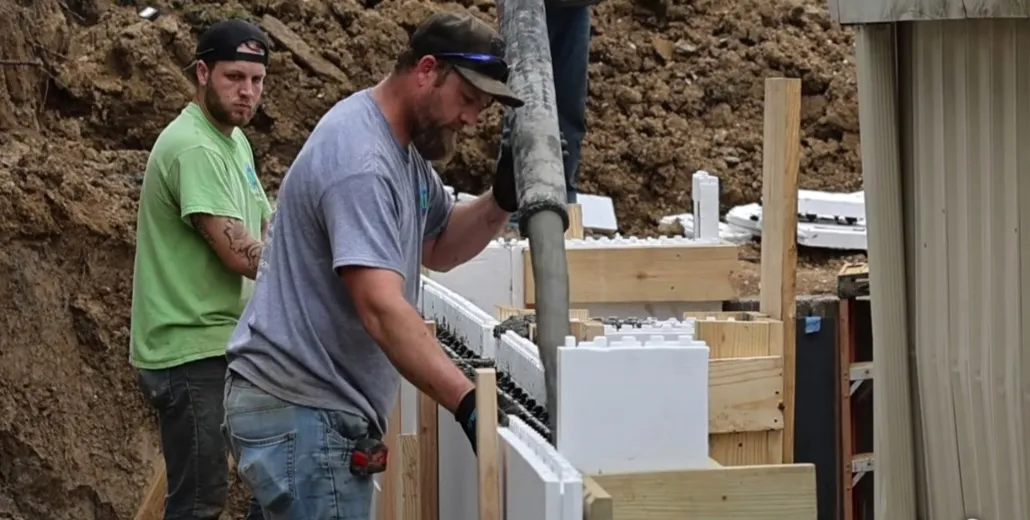
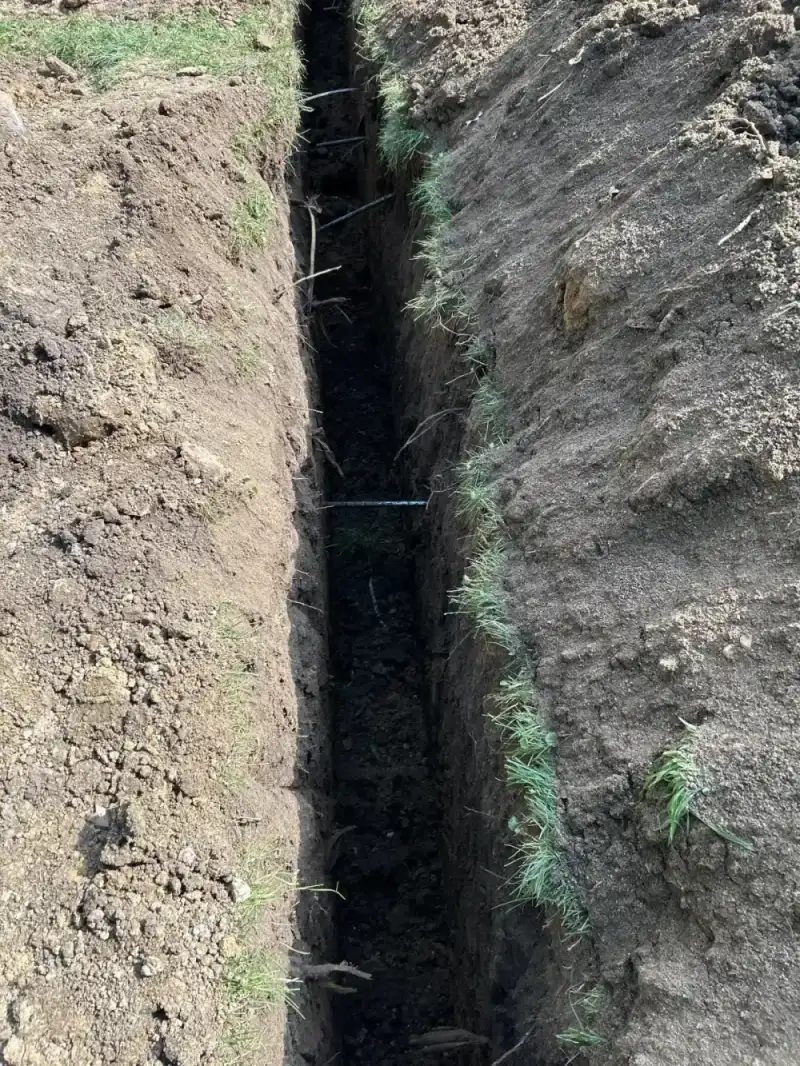
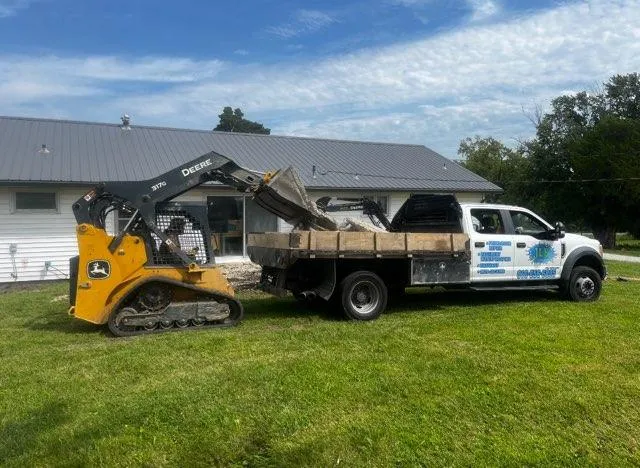
Every photo is from an actual JLB job site — not a stock photo. See the work we do every day across Kansas City and Des Moines.
What Does Crawlspace Encapsulation Cost in Clive, IA?
Ground moisture from Polk County's clay soil rises through uncovered crawlspace floors continuously. In Clive's climate — hot humid summers and cold winters — that moisture drives mold growth, wood rot, and energy loss. Here's what encapsulation costs to put a stop to it.
| Component | Typical Cost Range | Notes |
|---|---|---|
| Vapor barrier only (basic) | $1,500–$4,000 | Minimum protection; 6-mil or 12-mil polyethylene |
| Standard encapsulation (barrier + dehumidifier + insulation) | $5,000–$10,000 | Most common package for KC/DSM homes |
| Advanced encapsulation (with drainage + sump + mold remediation) | $10,000–$15,000+ | Homes with existing moisture/mold problems |
| Dehumidifier installation (add-on) | $800–$1,500 | Commercial-grade crawlspace unit; essential for Midwest humidity |
| Spray foam insulation (add-on) | $1.50–$3.50 per sq ft | JLB includes spray foam for BOTH crawlspace and basement |
| Per square foot (total project) | $3–$10 per sq ft | Depends on scope and existing conditions |
JLB spray-foams both the crawlspace AND the basement for twice the protection at a lower combined cost than competitors who only do one. Call (816) 408-3651 (KC) or (515) 717-8560 (DSM) for a free estimate.
Two Ways to Pay for It
12 Months Same As Cash
Pay the full balance within 12 months and you pay no interest.
Best if you can pay it off within a year.
5 Years at 6.99% APR
A lower monthly payment, spread over 60 months.
Best for bigger projects.
On approved credit. Ask for full terms at your free estimate.
Foundation and water problems rarely get cheaper while they wait.
Crawlspace Encapsulation Questions for Clive
Because the creek keeps the water table shallow along the corridor. Clive is built the length of the greenbelt, so a large share of homes sit in the creek's moisture influence, over ground that never fully dries between rains. A crawlspace on that consistently moist soil has a steady supply of ground vapor to give off into the space above.
It changes how the moisture gets in, not whether it does. East Clive's 1970s homes often have block foundations, and block wicks the shallow-table moisture through its mortar joints. West Clive's newer poured homes usually have a partial crawl where the moisture arrives as rising ground vapor. Both sit on clay-heavy soil that holds water once it's in.
Usually, yes. A crawl near the greenbelt doesn't need standing water to make a house smell musty; consistently moist soil evaporates a steady supply of vapor, and your home's rising airflow pulls that damp, earthy air up into the living levels. The smell tends to return every wet season even when nothing looks wet.
Dual-zone means we spray-foam both the crawlspace and the adjoining basement in one visit. They share a connected column of air, so sealing only one lets the other keep feeding moisture back. Doing both at once — for less than separate trades — is what keeps a Clive lower level dry.
Along the creek corridor, often yes. If the shallow greenbelt water table is pushing active water into the crawl, we install interior drainage and a sump first, paired with waterproofing, so the new liner isn't sealing water underneath it. A crawl that's humid but not wet can go straight to encapsulation.
It depends on the crawl's size, whether the walls are block or poured, the condition of any existing cover, and whether the job adds drainage, a sump, a dehumidifier, or dual-zone foam. A full encapsulation here typically lands in the low-to-mid four figures, and the closed-cell insulation portion may qualify for a federal energy-efficiency tax credit. We price it after an on-site look.
Not Sure What You're Dealing With?
Click any symptom below to learn what it means, what's likely causing it, and how we can help. Most of these are more common — and more fixable — than you'd think.
Diagonal, stair-step, or horizontal cracks in drywall, plaster, or brick usually trace back to soil movement beneath your foundation. The heavy clay soils in the Kansas City and Des Moines metros expand and contract seasonally, which can shift your foundation over time. The good news: this is very fixable with the right approach.
Water entering through floor joints, wall cracks, or seeping through porous concrete means groundwater pressure is pushing moisture into your basement. An interior drainage system and sump pump can solve this permanently — and we can usually have it done in a day or two.
When a foundation settles unevenly, it can shift your home's frame just enough to make doors and windows bind. This is one of the earlier signs of foundation movement — and catching it early often means a simpler, less expensive repair.
That musty smell is moisture. Up to 40% of the air in your home rises from below — from your crawlspace and basement. If there's excess humidity down there, it affects your whole home. Encapsulation seals it out, and you'll notice the difference in your air quality right away.
Floors that slope toward the center or an exterior wall usually mean the support structure underneath needs attention. Push piers can stabilize your foundation and often lift it back to level — giving your floors a second life.
Water collecting near your foundation means your grading or drainage isn't directing water away effectively. French drains, regrading, extended downspouts, and drain pipes can redirect water away from the house — protecting your foundation for the long haul.
A basement wall that has bowed more than 2 inches inward, shifted off its footing, or shows multiple structural cracks may have moved beyond what bracing can fix. When carbon fiber straps, I-beams, or wall anchors are not enough, the wall needs to be removed and rebuilt with reinforced concrete. This is the last resort — but it is the permanent fix when the wall itself is compromised.
Free Crawlspace Estimate in Clive
We'll inspect your crawlspace for moisture, mold, insulation gaps, and structural concerns. JLB's dual spray-foam approach seals both the crawlspace and the basement for twice the protection. Fill out the form or call us at(515) 717-8560.
Where Else Does JLB Provide Crawlspace Encapsulation?
Our Locations
We're always close enough to help — our crews are local to your area.
JLB Basement Waterproofing & Foundation Repair — Des Moines
97 Indiana Ave Suite #1Des Moines, IA, 50314(515) 717-8560 View on Google Maps
Stop the Damage. Get Answers Today.
A free estimate takes 45 minutes and tells you exactly what's going on under your house — and exactly what it takes to fix it.