Foundation Repair in Urbandale, Iowa — Piers Sized to the Soil Your Mature Trees Are Drying Out
Urbandale is a mature suburb — most of its homes went up between the 1960s and the 1990s, and the trees planted with them are now full-grown. That canopy is part of what makes the neighborhoods here so pleasant, and it's also, in dry years, what cracks their foundations. When an Iowa summer turns to drought, a large tree pulls water out of the clay-rich loess soil right beside the house, the soil shrinks where it's driest, and the footing above it settles — usually on just the side nearest the tree.

Get a precise analysis of your foundation and waterproofing situation, and a clear estimate on what any fixes or corrections might cost.
Takes 30 seconds. We'll call within 24 hours.
We'll be in touch within 24 hours.
Why does the big tree in my Urbandale yard crack the foundation only in dry summers?
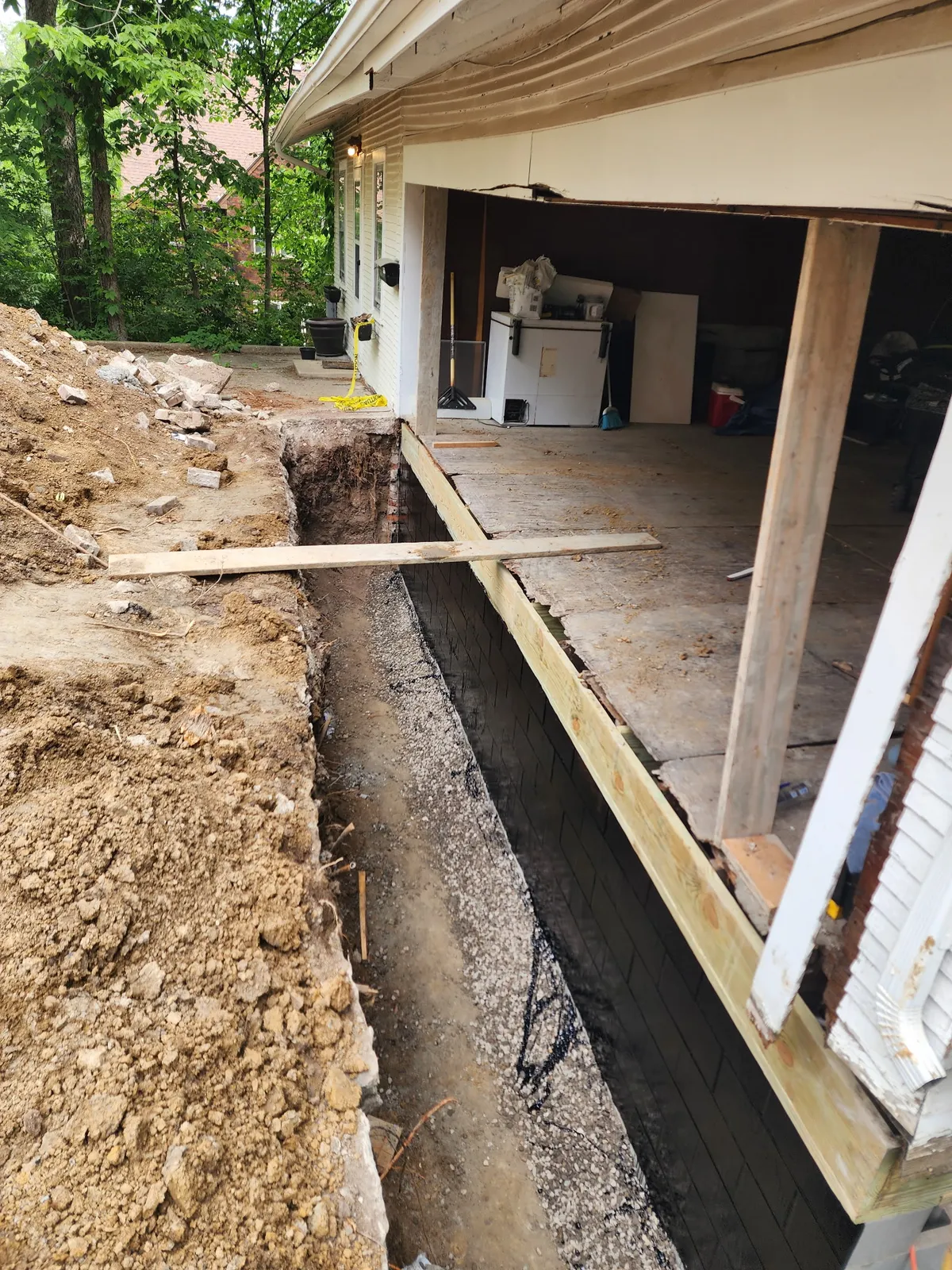
Foundation repair in Urbandale often traces back to something homeowners love about the place: the trees. Urbandale filled in mostly between the 1960s and 1990s, and the shade trees planted alongside those homes are now mature, with root systems that reach well under lawns and foundations. The soil they're rooted in is central Iowa's loess — a wind-laid cap with enough clay to change volume as its moisture changes. In a normal year that's no problem. In a dry summer or a drought, it becomes the main driver of foundation movement in this city.
Here's the mechanism. A full-grown tree is a powerful pump — in hot, dry weather it draws hundreds of gallons of water a day out of the surrounding soil, and it takes that water from wherever it can reach, including the ground right against a foundation. As that clay-rich loess dries, it shrinks, and the soil under a nearby footing loses volume and pulls away downward. The footing settles into the gap. Because the drying is concentrated around the tree's roots rather than spread evenly, the settlement is localized and lopsided: it shows up on the side of the house closest to the big tree, as diagonal cracks running up and away from door and window corners, a door that suddenly won't latch, a corner that has dropped while the rest of the house sits still. In a wet year the soil may swell back and the cracks partly close, which is why the movement is often seasonal at first — but over repeated droughts it ratchets into permanent settlement.
This is the opposite of the water problems that trouble a lot of central Iowa. Most foundation trouble around here comes from too much water — saturated soil pushing on walls. Urbandale's signature problem comes from too little, in the wrong spot, at the wrong time. It's also generally more moderate than the movement on the heavy clays elsewhere in the metro, because the loess has moderate rather than extreme shrink potential — but a mature tree concentrating the drying against one footing can still drop it far enough to do real structural damage. The gently rolling terrain here matters too: a home stepped down a slope has footings at different depths, so a tree can affect one part of the foundation more than another.
How the tree-root drying plays out, and how it's fixed:
| Situation | What the drought does | What shows up | The repair |
|---|---|---|---|
| Large tree close to the foundation | Roots strip moisture from the clay-rich loess beside one footing | Localized settlement on the tree side, diagonal cracks, a dropped corner | Push or helical piers under the affected footing to stable soil below the root zone, torque-monitored |
| Home stepped down a slope | Footings at different depths dry unevenly | One section settles more than the rest | Targeted piers where the movement is; monitoring elsewhere |
| Block basement wall nearby | Uneven settlement twists the wall | Stair-step cracking, a minor lean | Piers for the footing, wall anchors if the wall has moved |
Because the problem is localized, the repair usually is too. Where a tree has settled a footing, push or helical piers are driven down past the root-influenced, moisture-active layer to load-bearing strata that stays put whether the summer is wet or dry, and each pier is torque-monitored so it's confirmed to carry its load before the house is transferred onto it — often just under the affected section rather than the whole house. These are the ICC-ES-evaluated systems detailed on the foundation repair page. Where an adjacent block wall has been twisted by the uneven movement, wall anchors or carbon-fiber straps square it up. The other half of the fix is moisture: unlike the wet-driven problems elsewhere, the goal here is to keep the soil around the foundation from drying out so severely — consistent deep watering in drought and, where a tree sits very close, a root barrier — which is a different conversation than the drainage work on our Urbandale waterproofing page, but it comes from the same idea of keeping soil moisture steady.
On cost, a localized tree-root settlement is often a smaller job than a whole-house repair because it's usually a handful of piers under one affected area — but the number still tracks how many piers are needed and how deep they must reach past the root zone. As a market reference, push piers commonly run about $1,250 to $2,500 each and helical piers roughly $1,800 to $3,000, with wall anchors quoted separately by the wall — though the pier count and depth only come from an on-site look at your soil and your settlement. JLB serves Urbandale and its neighbors — Clive, Johnston, Windsor Heights, West Des Moines, and Des Moines — along I-35, I-80, and Merle Hay Road near Living History Farms and Walker Johnston Park.
Meet the Team Serving Urbandale
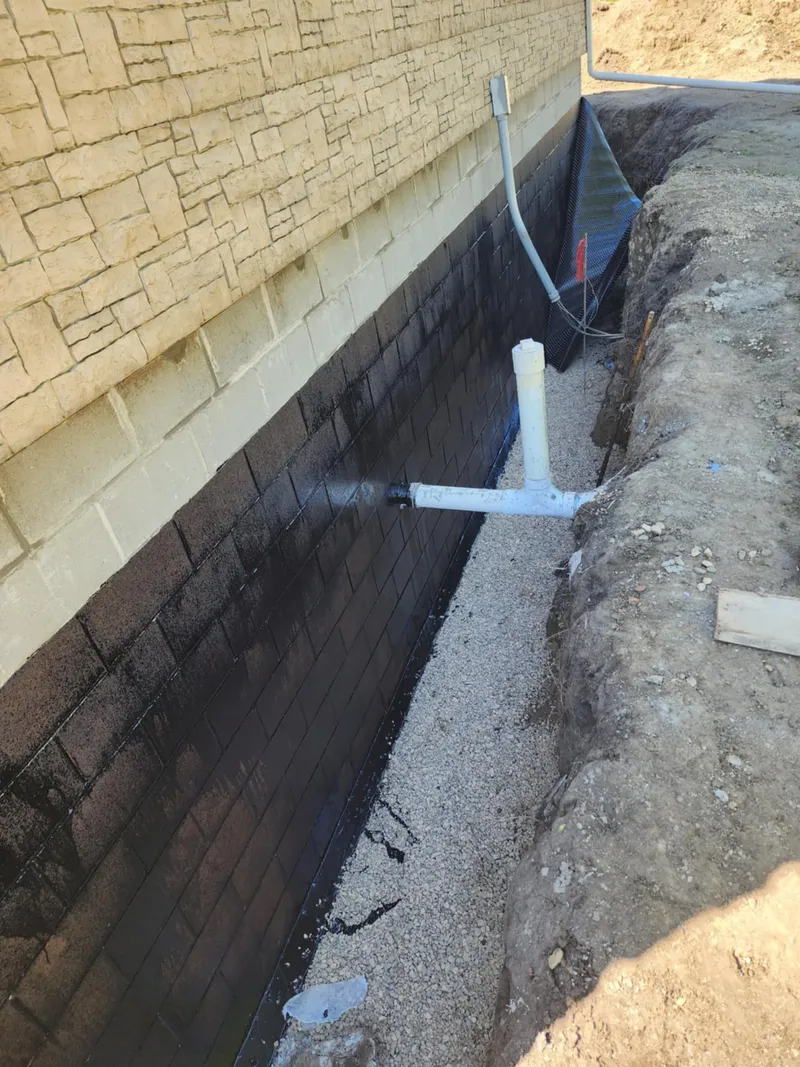
JLB is a local crew — not a franchise. We handle foundation repair across Urbandale and the Des Moines metro. Watch to see who shows up at your door.
Watch Foundation Repair Work in Urbandale
Two Ways to Pay Over Time
12 Months Same As Cash
Pay the full balance within 12 months and you pay no interest.
5 Years at 6.99% APR
A lower monthly payment, spread over 60 months.
On approved credit. Ask for full terms at your free estimate.
Foundation and water problems rarely get cheaper while they wait.
What Foundation Problems Develop in Newer Urbandale Homes?
The warning signs and what each one means are on our foundation repair page.
Noticed cracks in your Urbandale basement walls?
The concrete block foundations common in Urbandale develop predictable failure patterns — and early detection makes the difference between a straightforward repair and a major structural project. A free estimate takes about an hour and tells you exactly where you stand.
Who Handles Foundation Repair in Urbandale?
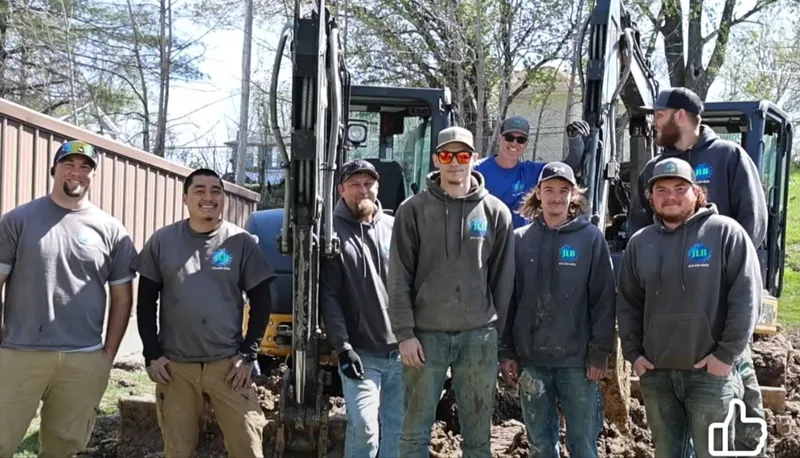
Urbandale is a community we know well. Our crews work throughout Polk County, and with around 49000 residents, we've seen the full range of foundation conditions here — from older homes in established neighborhoods to newer builds on the edges of town. Same team from inspection to completion, every time.
Call (515) 717-8560“We noticed the cracks getting worse every spring after the thaw. JLB came out, explained the soil issues specific to our area, and had piers installed in two days. No more movement since.”
Real Projects. Real Results.
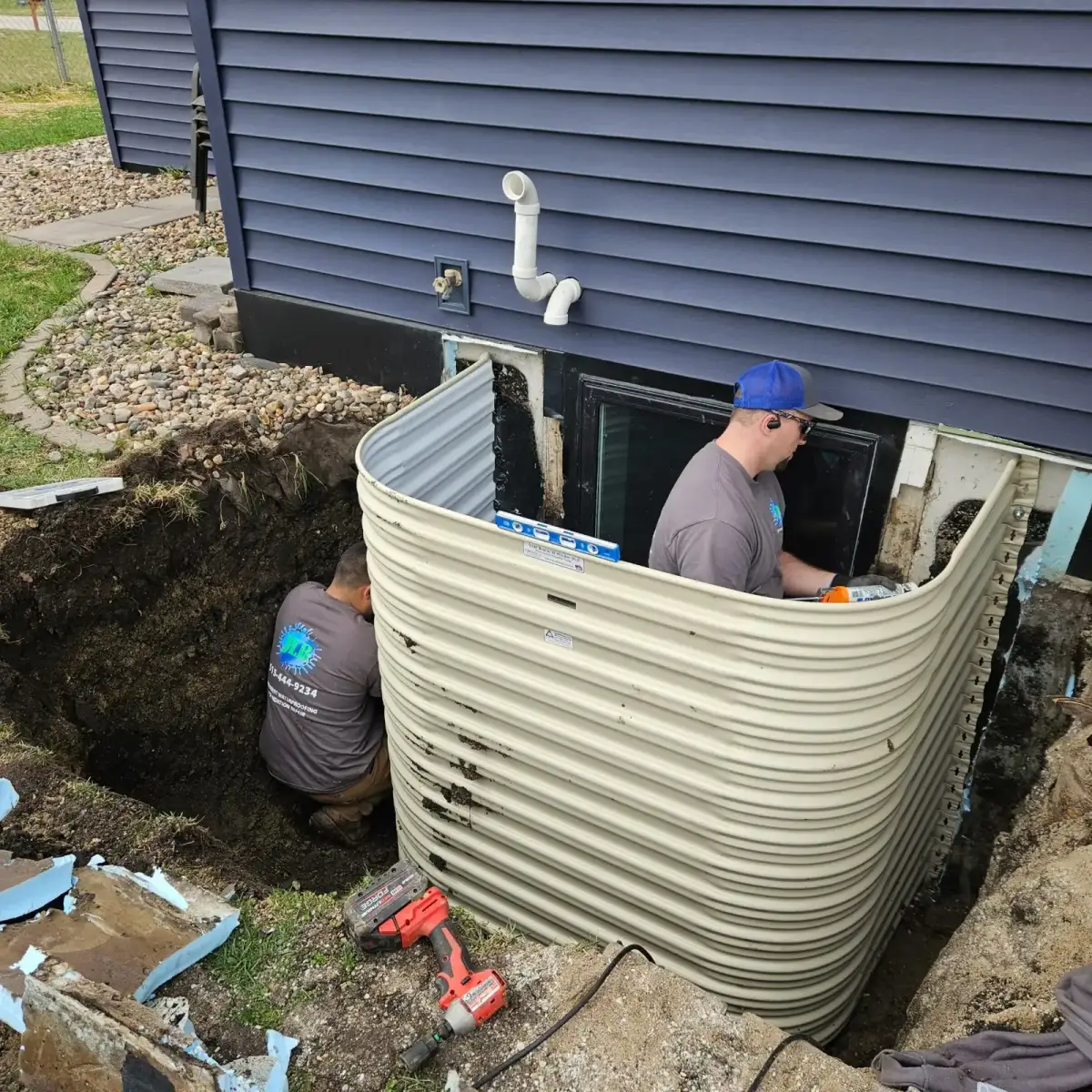
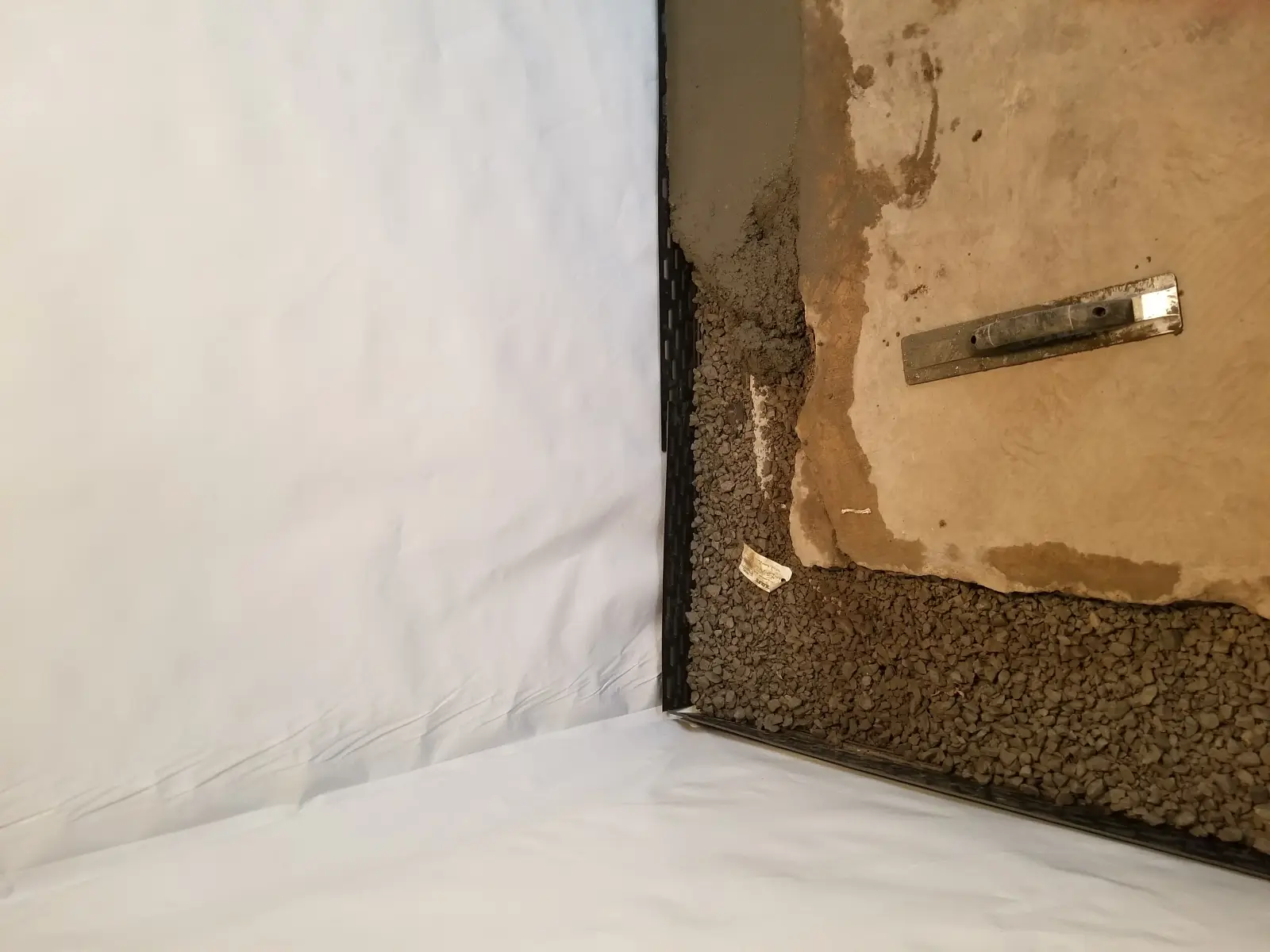
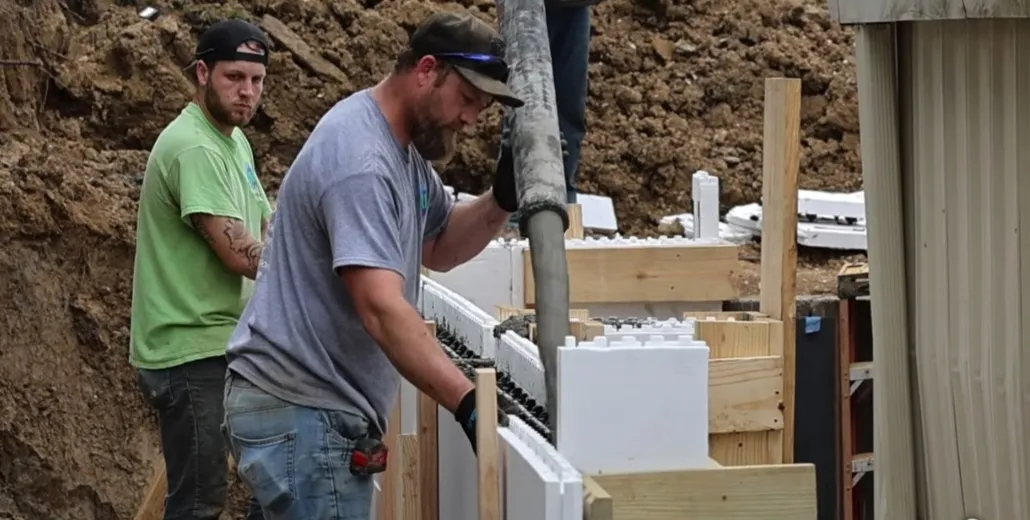
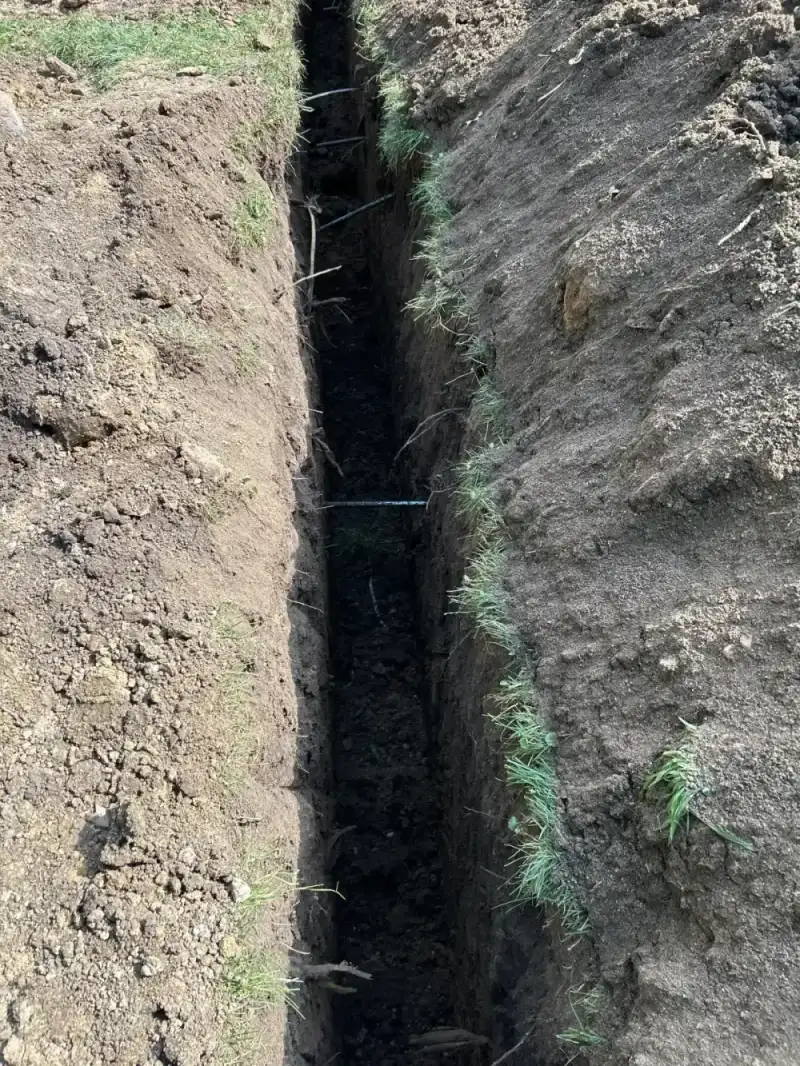
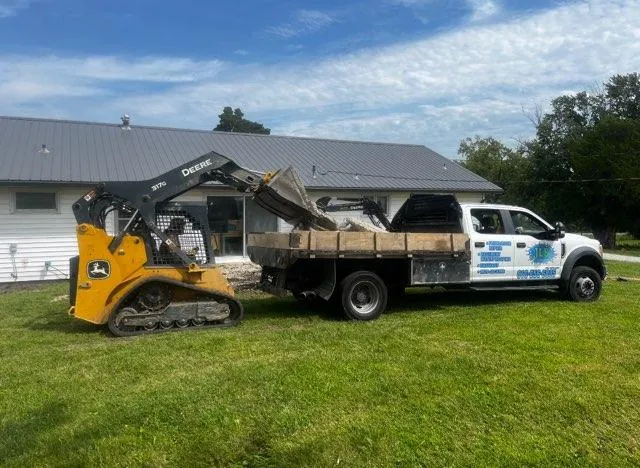
Every photo is from an actual JLB job site — not a stock photo. See the work we do every day across Kansas City and Des Moines.
What Does Foundation Repair Cost in Urbandale, IA?
Concrete block foundations are the norm in Urbandale, and their hollow-core design makes them especially vulnerable to Polk County's clay pressure. Repair costs depend on how many walls are affected and whether you need piers, anchors, or both. These Des Moines metro ranges reflect what we see in Polk County.
| Repair Type | Typical Cost Range | Notes |
|---|---|---|
| Crack repair (epoxy/polyurethane injection) | $200–$700 per crack | Non-structural hairline cracks |
| Steel push piers | $900–$2,700 per pier | Permanent fix for settling foundations; most homes need 6–12 piers |
| Helical piers | $1,300–$3,100 per pier | Used when soil conditions require screwing into load-bearing strata |
| Wall anchors | $450–$900 per anchor | Stabilizes bowing basement walls; typically 4–8 per wall |
| Carbon fiber reinforcement | $250–$500 per strip | For minor to moderate wall bowing; less invasive than anchors |
| Minor foundation repair (total project) | $1,300–$4,500 | Small cracks, minor settling |
| Major foundation repair (total project) | $4,500–$13,000+ | Multiple piers, structural wall repair, significant settling |
| Structural engineer report | $250–$700 | Sometimes required before repair, sometimes included in estimate |
Des Moines metro pricing is typically 10–15% lower than Kansas City due to lower labor rates. Glacial till soil conditions may reduce the number of piers needed compared to KC's expansive clay. JLB provides free estimates — call (515) 717-8560 for an accurate quote.
Two Ways to Pay for It
12 Months Same As Cash
Pay the full balance within 12 months and you pay no interest.
Best if you can pay it off within a year.
5 Years at 6.99% APR
A lower monthly payment, spread over 60 months.
Best for bigger projects.
On approved credit. Ask for full terms at your free estimate.
Foundation and water problems rarely get cheaper while they wait.
Foundation Repair Questions From Urbandale Homeowners
Yes, and in this city it's one of the most common causes. A mature shade tree in dry weather pulls hundreds of gallons of water a day out of the soil, including the clay-rich loess right next to your foundation. When that soil dries it shrinks, the ground under the nearby footing loses volume, and the footing settles into the gap. Because the drying is concentrated around the roots, the damage shows up on the side of the house closest to the tree — a dropped corner, diagonal cracks, a door that won't latch. It's not the tree pushing on the house; it's the tree drying out the soil the house rests on.
That's the signature of moisture-driven movement in Urbandale's loess soil. When a drought dries the clay-rich soil under a footing — helped along by nearby tree roots — the soil shrinks and the footing drops slightly, opening cracks. When a wet spell rehydrates the soil, it swells back and the cracks partly close. That seasonal open-and-close is a warning sign, not a reason to relax: each drought tends to drop the footing a little further than the last, so what starts as seasonal movement ratchets over the years into permanent settlement. Catching it while it's still cycling is the ideal time to stabilize it.
Usually not, and it often wouldn't fix it anyway. Removing a large tree can cause its own movement — the soil the roots kept dry can rehydrate and swell, heaving the ground back the other way — and you'd lose the tree for an uncertain result. The reliable fix is to take the foundation's support below the layer the roots dry out, with piers reaching stable soil that doesn't change with the seasons, so the tree can keep drawing moisture without affecting the house. Managing the tree — a root barrier, consistent watering — supports the repair, but piers are what actually stop the settlement.
It's typical here, and it points to the cause. Uniform settlement across a whole house usually means a broad soil problem; settlement concentrated on one side or one corner usually means something local, and in Urbandale that something is very often a nearby tree drying out the soil under that specific footing. The rolling terrain can add to it, since a home stepped down a slope has footings at different depths that dry unevenly. Because the problem is localized, the repair can be too — often just a few piers under the affected area rather than the entire foundation.
Not at all — in fact the timing fits. Many Urbandale homes from the 1960s through the 1990s were landscaped when they were built, and those trees have only reached full, moisture-hungry maturity in the decades since. A foundation can sit quietly for years and then start moving once a nearby tree gets big enough, and a string of dry summers arrives, to strip serious moisture from the soil beside it. So a home that's been fine for decades can begin showing diagonal cracks now, and it's the tree-and-drought combination, not the age of the house itself, that's usually behind it.
Because tree-root settlement is usually localized, an Urbandale repair is often smaller than a whole-house job — frequently a handful of piers under the one affected area rather than the entire foundation. The number tracks how many piers are needed and how deep they have to reach past the root-dried layer to stable soil. As a market reference, push piers commonly run somewhere around $1,250 to $2,500 each and helical piers roughly $1,800 to $3,000, with wall anchors priced separately by the wall. Since the extent of the settlement is only clear once it's measured, an honest figure comes from an on-site look — JLB's is a free 45-minute analysis with a written report you keep.
Not Sure What You're Dealing With?
Click any symptom below to learn what it means, what's likely causing it, and how we can help. Most of these are more common — and more fixable — than you'd think.
Diagonal, stair-step, or horizontal cracks in drywall, plaster, or brick usually trace back to soil movement beneath your foundation. The heavy clay soils in the Kansas City and Des Moines metros expand and contract seasonally, which can shift your foundation over time. The good news: this is very fixable with the right approach.
Water entering through floor joints, wall cracks, or seeping through porous concrete means groundwater pressure is pushing moisture into your basement. An interior drainage system and sump pump can solve this permanently — and we can usually have it done in a day or two.
When a foundation settles unevenly, it can shift your home's frame just enough to make doors and windows bind. This is one of the earlier signs of foundation movement — and catching it early often means a simpler, less expensive repair.
That musty smell is moisture. Up to 40% of the air in your home rises from below — from your crawlspace and basement. If there's excess humidity down there, it affects your whole home. Encapsulation seals it out, and you'll notice the difference in your air quality right away.
Floors that slope toward the center or an exterior wall usually mean the support structure underneath needs attention. Push piers can stabilize your foundation and often lift it back to level — giving your floors a second life.
Water collecting near your foundation means your grading or drainage isn't directing water away effectively. French drains, regrading, extended downspouts, and drain pipes can redirect water away from the house — protecting your foundation for the long haul.
A basement wall that has bowed more than 2 inches inward, shifted off its footing, or shows multiple structural cracks may have moved beyond what bracing can fix. When carbon fiber straps, I-beams, or wall anchors are not enough, the wall needs to be removed and rebuilt with reinforced concrete. This is the last resort — but it is the permanent fix when the wall itself is compromised.
Get Your Free Foundation Estimate in Urbandale
Urbandale's concrete block foundations need specialized assessment. Fill out the form and our crew will evaluate your walls, footings, and soil conditions — all at no cost. Or call us now at(515) 717-8560.
Where Else Does JLB Provide Foundation Repair Near Urbandale?
Our Locations
We're always close enough to help — our crews are local to your area.
JLB Basement Waterproofing & Foundation Repair — Des Moines
97 Indiana Ave Suite #1Des Moines, IA, 50314(515) 717-8560 View on Google Maps
Stop the Damage. Get Answers Today.
A free estimate takes 45 minutes and tells you exactly what's going on under your house — and exactly what it takes to fix it.