
French Drains in Altoona, Iowa — Using the Fourmile Creek Fall to Move Water Off Your Lot
Altoona drains the opposite way from the rest of the metro. Sitting on the eastern edge of the Des Moines area, your home most likely falls within the Fourmile Creek watershed, which pulls water east toward the creek rather than west toward the Raccoon or Des Moines rivers. That eastward tilt is actually good news — it means most Altoona lots have a direction to send water, so the fix can work with the natural fall instead of fighting flat ground. JLB routes your runoff along the grade Altoona already gives you.

Get a precise analysis of your foundation and waterproofing situation, and a clear estimate on what any fixes or corrections might cost.
Takes 30 seconds. We'll call within 24 hours.
We'll be in touch within 24 hours.
Why does Altoona drain east toward Fourmile Creek, and how does that help my drainage?
Because Altoona sits on the eastern edge of the Des Moines metro, and the Fourmile Creek watershed pulls its water east toward the creek rather than west toward the Raccoon or Des Moines rivers like most of the area. That's an unusual orientation, and for drainage it's an advantage: it means most Altoona lots actually have a direction to send water. Instead of fighting dead-flat ground, we can work with the fall the land already gives you and route runoff downhill along the grade toward a real outlet.
The soil still asks for a system, though. Beneath neighborhoods like Prairie Meadows, along 8th Street SW, and around Spring Creek, the Dows Formation glacial till runs 45 to 60 feet thick — a mix of clay, sand, gravel, and cobbles that holds moisture unevenly, so some sections of a yard drain faster than others and water collects where the till is tightest. Most Altoona homes were built between the 1980s and 2000s on poured concrete, putting them in the 25-to-40-year window where original waterproofing gives out. In the low areas near Fourmile Creek, the water table rises to two or three feet during March and April.
So the fix leans on that eastward fall. We correct grade with negative-slope correction so the ground falls away from the house toward the descent, run downspout extensions carried downslope, and, where there's enough drop, route the collected water to a gravity daylight outlet on the eastern side — no pump to fail, no power needed. A catch basin gathers the low pockets, and where the tight till traps water against the wall, an exterior French drain intercepts it. Unlike the flat lots in Grimes or parts of Ankeny, Altoona usually gives us somewhere for the water to go on its own.
Spring is still the test. Iowa's 42-inch frost depth, six inches deeper than Kansas City's, keeps the ground frozen longer into spring, trapping snowmelt above the frost line while the water table pushes up from below — a hit from both directions. We set drain lines below that frost line so the eastward route keeps carrying water when the ground is still hard. Where water has already reached the basement, interior drainage and a sump take over, covered on the Altoona waterproofing page.
Cost depends on how much grade correction the lot needs, whether the fall lets us daylight the discharge or a catch basin and carried line are required, and how far the outlet sits. Correcting grade and extending downspouts is the modest end; an exterior line through tight till with a daylighted outlet runs higher. Every Altoona lot's position on the eastward slope is different, so we price from the property with a written on-site estimate. JLB serves Altoona and nearby Pleasant Hill, Bondurant, Mitchellville, Des Moines, and Ankeny, with Fourmile Creek and 8th Street SW framing the area.

Meet the Team Serving Altoona
JLB is a local crew — not a franchise. We handle french drains & drainage across Altoona and the Des Moines metro. Watch to see who shows up at your door.
Watch French Drains & Drainage Work in Altoona
Two Ways to Pay Over Time
12 Months Same As Cash
Pay the full balance within 12 months and you pay no interest.
5 Years at 6.99% APR
A lower monthly payment, spread over 60 months.
On approved credit. Ask for full terms at your free estimate.
Foundation and water problems rarely get cheaper while they wait.
What Drainage Problems Are Common in Altoona Yards?
The warning signs and what each one means are on our french drains & drainage page.
Tired of standing water around your Altoona home?
Flat terrain and clay soil mean water doesn't move away from your foundation on its own. A French drain system gives it a defined path — away from your home, permanently. Our free drainage assessment maps the problem and designs the fix.

Who Installs French Drains in Altoona and Polk County?
Altoona is a close-knit community of about 24000, and we treat it that way. Our Des Moines area crew handles every job in Altoona personally — the same team that inspects your home is the same team that does the work. No subcontractors, no handoffs.
Call (515) 717-8560“Every spring when the snow melted, our yard flooded and water pushed into the crawlspace. JLB installed French drains and regraded the yard to slope away from the house. We've been through two spring thaws since — no flooding, no water in the crawlspace.”
Real Projects. Real Results.
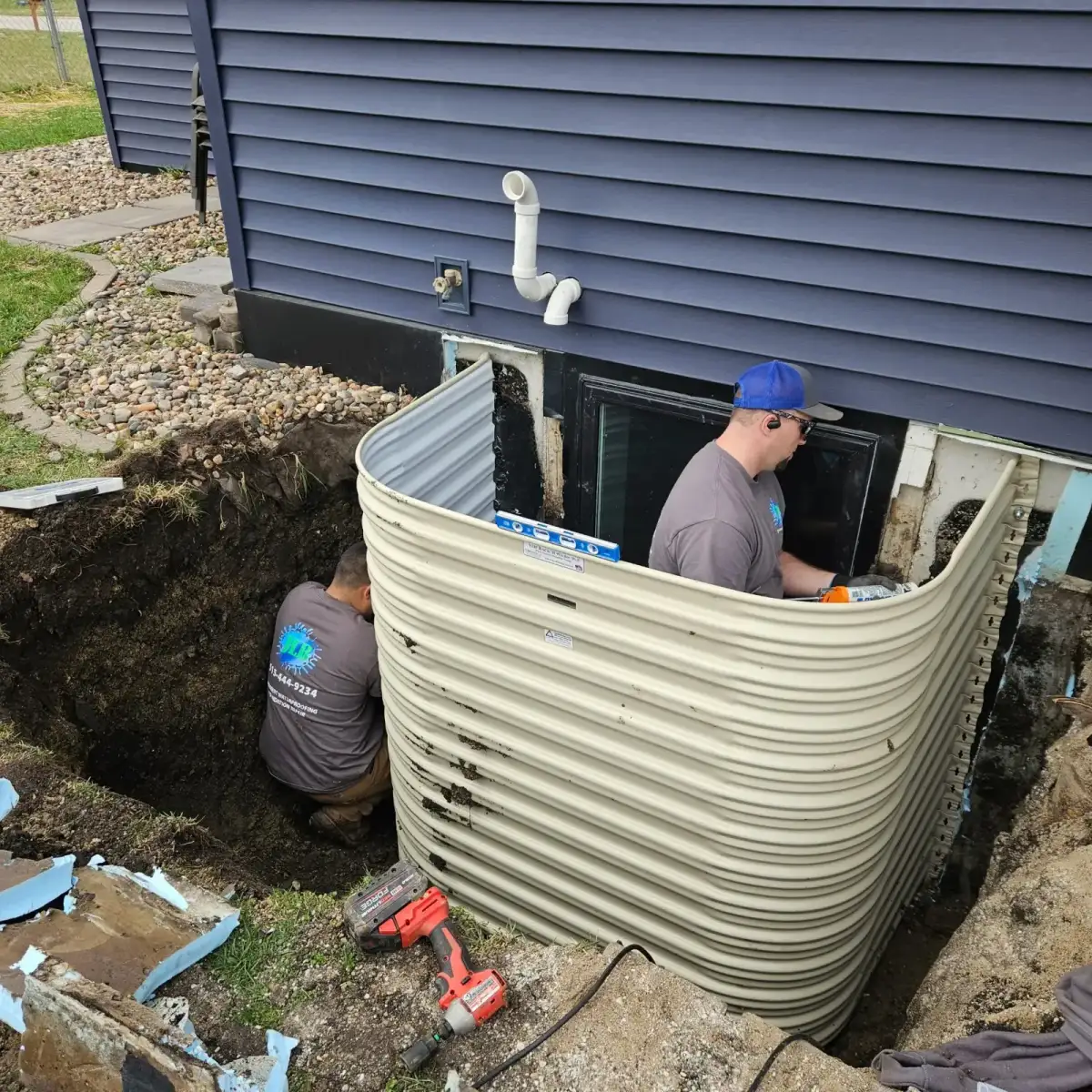
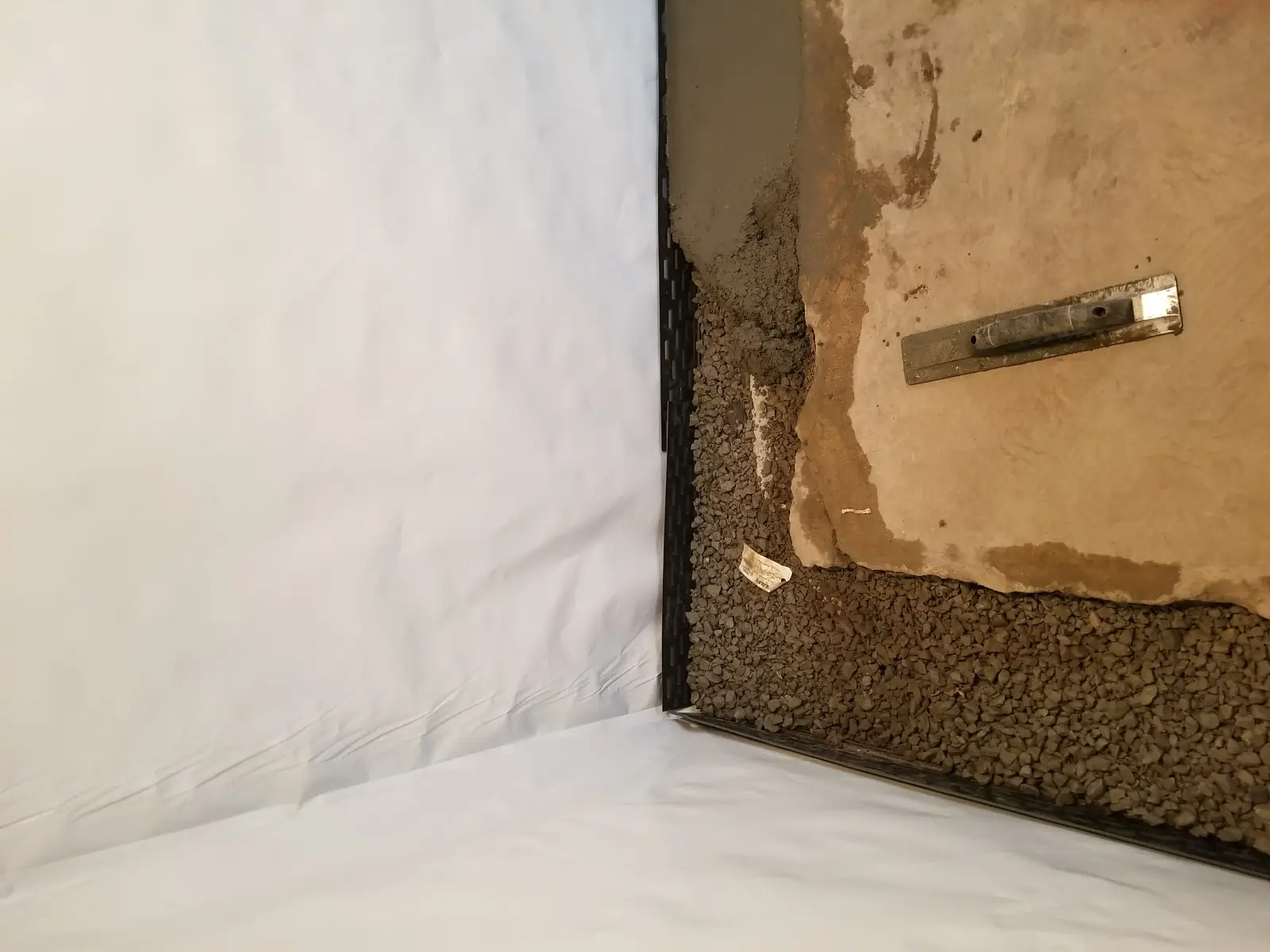
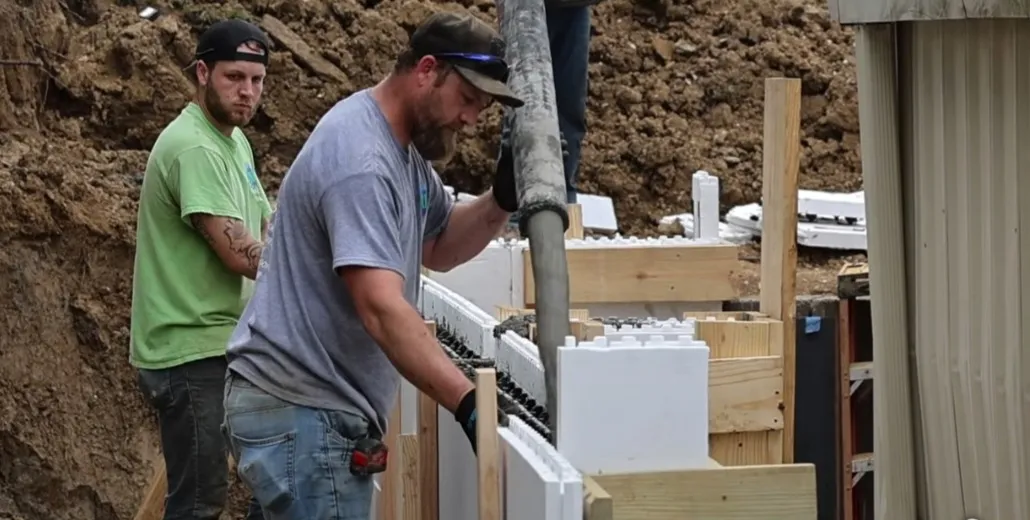
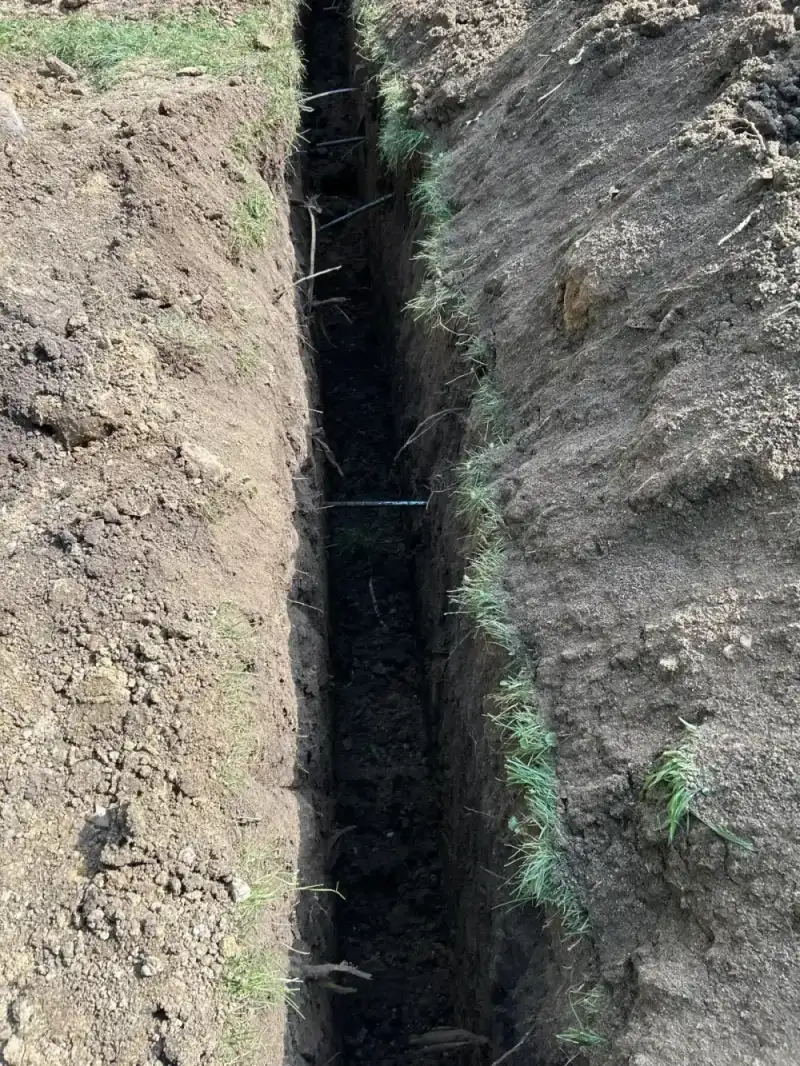
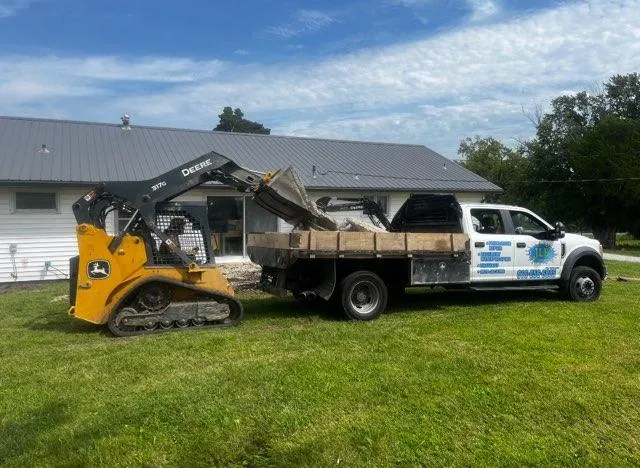
Every photo is from an actual JLB job site — not a stock photo. See the work we do every day across Kansas City and Des Moines.
Two Ways to Pay for It
12 Months Same As Cash
Pay the full balance within 12 months and you pay no interest.
Best if you can pay it off within a year.
5 Years at 6.99% APR
A lower monthly payment, spread over 60 months.
Best for bigger projects.
On approved credit. Ask for full terms at your free estimate.
Foundation and water problems rarely get cheaper while they wait.
French Drain and Drainage Questions for Altoona
Because Altoona sits on the eastern edge of the metro, most of it falls within the Fourmile Creek watershed, which pulls water east toward the creek rather than west toward the Raccoon or Des Moines rivers like the rest of the area. It's an unusual orientation, and for drainage it's a good thing — it means most Altoona lots have a natural direction and some fall to send water, so we can work with the grade instead of fighting dead-flat ground.
Often, yes. Because Altoona's eastward tilt toward Fourmile Creek gives many lots real fall, we can frequently route collected water to a gravity daylight outlet on the eastern side of the property — no pump, no power required, nothing to fail during a storm. Whether we can daylight the discharge depends on how much drop your specific lot has; where it's flatter, a catch basin and a carried line do the same job. We confirm which applies during the on-site look.
That's the glacial till. The Dows Formation beneath Altoona is a mix of clay, sand, gravel, and cobbles that holds moisture unevenly, so one part of a yard can drain quickly while another stays soggy where the till is tightest. Water then collects in those tight low spots. We map where your lot drains slowly and place a catch basin and drain line there specifically, rather than treating the whole yard the same.
In the low-lying areas near Fourmile Creek, yes. The water table there rises to two or three feet below grade during March and April, and Iowa's 42-inch frost depth keeps the ground frozen longer into spring, so snowmelt is trapped above the frost line while groundwater pushes up from below at the same time. Exterior drainage handles the surface and roof load; where the rising table reaches the basement, interior drainage and a sump take over.
It depends on how much grade correction the lot needs, whether its fall lets us daylight the discharge by gravity or a catch basin and carried line are required, and how far the outlet sits from the house. Correcting grade and extending downspouts is the modest end; an exterior line trenched through tight till to a daylighted outlet runs higher. Every Altoona lot's position on the eastward slope is different, so we price from the property with a written on-site estimate.
Not Sure What You're Dealing With?
Click any symptom below to learn what it means, what's likely causing it, and how we can help. Most of these are more common — and more fixable — than you'd think.
Diagonal, stair-step, or horizontal cracks in drywall, plaster, or brick usually trace back to soil movement beneath your foundation. The heavy clay soils in the Kansas City and Des Moines metros expand and contract seasonally, which can shift your foundation over time. The good news: this is very fixable with the right approach.
Water entering through floor joints, wall cracks, or seeping through porous concrete means groundwater pressure is pushing moisture into your basement. An interior drainage system and sump pump can solve this permanently — and we can usually have it done in a day or two.
When a foundation settles unevenly, it can shift your home's frame just enough to make doors and windows bind. This is one of the earlier signs of foundation movement — and catching it early often means a simpler, less expensive repair.
That musty smell is moisture. Up to 40% of the air in your home rises from below — from your crawlspace and basement. If there's excess humidity down there, it affects your whole home. Encapsulation seals it out, and you'll notice the difference in your air quality right away.
Floors that slope toward the center or an exterior wall usually mean the support structure underneath needs attention. Push piers can stabilize your foundation and often lift it back to level — giving your floors a second life.
Water collecting near your foundation means your grading or drainage isn't directing water away effectively. French drains, regrading, extended downspouts, and drain pipes can redirect water away from the house — protecting your foundation for the long haul.
A basement wall that has bowed more than 2 inches inward, shifted off its footing, or shows multiple structural cracks may have moved beyond what bracing can fix. When carbon fiber straps, I-beams, or wall anchors are not enough, the wall needs to be removed and rebuilt with reinforced concrete. This is the last resort — but it is the permanent fix when the wall itself is compromised.
Free Drainage Assessment in Altoona
We'll assess the grading, water flow, and soil behavior around your Altoona home — then design a drainage solution that fits. Fill out the form or call us at(515) 717-8560.
Where Else Does JLB Provide French Drains & Drainage?
Our Locations
We're always close enough to help — our crews are local to your area.
JLB Basement Waterproofing & Foundation Repair — Des Moines
97 Indiana Ave Suite #1Des Moines, IA, 50314(515) 717-8560 View on Google Maps
Stop the Damage. Get Answers Today.
A free estimate takes 45 minutes and tells you exactly what's going on under your house — and exactly what it takes to fix it.