
Basement Drainage Solutions in Lee's Summit, MO
Lee's Summit's rolling terrain is both the drainage problem and the drainage solution. Slope concentrates runoff at the low corner of the lot — often right where a walk-out basement meets the ground — but that same fall lets a French drain carry water off by gravity to a daylight outlet, no pump required. JLB designs to the grade your lot already has.

Get a precise analysis of your foundation and waterproofing situation, and a clear estimate on what any fixes or corrections might cost.
Takes 30 seconds. We'll call within 24 hours.
We'll be in touch within 24 hours.
If my Lee's Summit lot slopes, why does water still collect at my walk-out basement?
Because slope moves surface water without draining it. On the rolling terrain that defines Lee's Summit, homeowners assume a graded lot sheds water automatically — but the thick, expansive clay under the whole area barely absorbs any of it. So the runoff races downhill across the surface and stops at the first thing in its path, which on a walk-out or daylight lot is the low corner where the foundation meets the exposed grade. The slope is not draining the water; it is aiming it. That is why a home can sit on an obvious hillside and still take on water at exactly one corner every spring.
Walk-out and daylight basements — common across Lee's Summit's 1970s–2000s stock — make the low corner the whole story. On these homes one side of the basement is buried and the opposite side opens at grade downhill, which is a great living space and a natural collection point. Everything the slope carries funnels toward that exposed wall and the door or window wells set into it. The rolling ground near the area's lakes and drainage ways adds to the volume during heavy spring rain, which is when local homeowners most often report water. It is not a foundation that is failing; it is a lot that concentrates runoff at one predictable spot.
Here is where Lee's Summit's terrain flips from liability to asset. On a flat lot, water you collect has nowhere to fall, so you end up pumping it. On a sloped Lee's Summit lot there is almost always a lower point to send it to, which means a properly built French drain can daylight downhill by gravity — the line simply carries the intercepted water to an open outlet at the low end of the property, no sump and no electricity involved. That is the cheapest, most reliable kind of drainage there is, and this terrain hands it to you. Our job is to catch the water above the low corner and give it that gravity path.
A typical design here reads the slope and works with it: a French drain or interceptor run across the uphill side of the walk-out to catch surface flow before it reaches the wall; downspout lines carried down-grade and tied into the same outlet so roof water leaves with everything else; a catch basin at the persistent low spot; and regrading of the immediate apron so the first few feet still fall away from the exposed wall. Where a home sits at the very bottom of a bowl with no gravity outlet, an interior drain and sump become the backup — the situation our Lee's Summit waterproofing page addresses — but on most sloped lots we can keep the whole system gravity-fed.
Cost depends mostly on how far the water has to travel to a good outlet and how much of the apron needs regrading. A short daylight run to a lower corner is modest; a long carried line across a big lot with catch basins runs higher. Because every Lee's Summit lot slopes differently, the number comes from walking the grade, not from a chart — an on-site estimate is the only real figure. JLB works eastern Jackson County through Blue Springs, Independence, Raymore, and Grandview, with I-470, US-50, and 291 Highway tying the service area together.

Meet the Team Serving Lee's Summit
JLB is a local crew — not a franchise. We handle french drains & drainage across Lee's Summit and the Kansas City metro. Watch to see who shows up at your door.
Watch French Drains & Drainage Work in Lee's Summit
Two Ways to Pay Over Time
12 Months Same As Cash
Pay the full balance within 12 months and you pay no interest.
5 Years at 6.99% APR
A lower monthly payment, spread over 60 months.
On approved credit. Ask for full terms at your free estimate.
Foundation and water problems rarely get cheaper while they wait.
What Drainage Problems Are Common in Lee's Summit Yards?
The warning signs and what each one means are on our french drains & drainage page.
Is water running toward your Lee's Summit foundation?
The terrain in Lee's Summit and the clay soil in Jackson County work together to channel water toward your home. A properly designed drainage system intercepts it before it reaches the foundation. Our free assessment identifies the flow patterns and designs the solution.

Who Installs French Drains in Lee's Summit and Jackson County?
With nearly 101000 residents, Lee's Summit keeps our Jackson County crews busy year-round. From established neighborhoods to newer developments, we know the soil, we know the foundations, and we know the local permit process. When we show up at your door, you're getting the same team from inspection through final walkthrough.
Call (816) 408-3651“Our backyard turned into a lake after every Kansas City thunderstorm and water was getting into the basement. JLB installed a French drain system and regraded the yard. First big storm after — bone dry everywhere. The basement hasn't leaked since.”
Real Projects. Real Results.
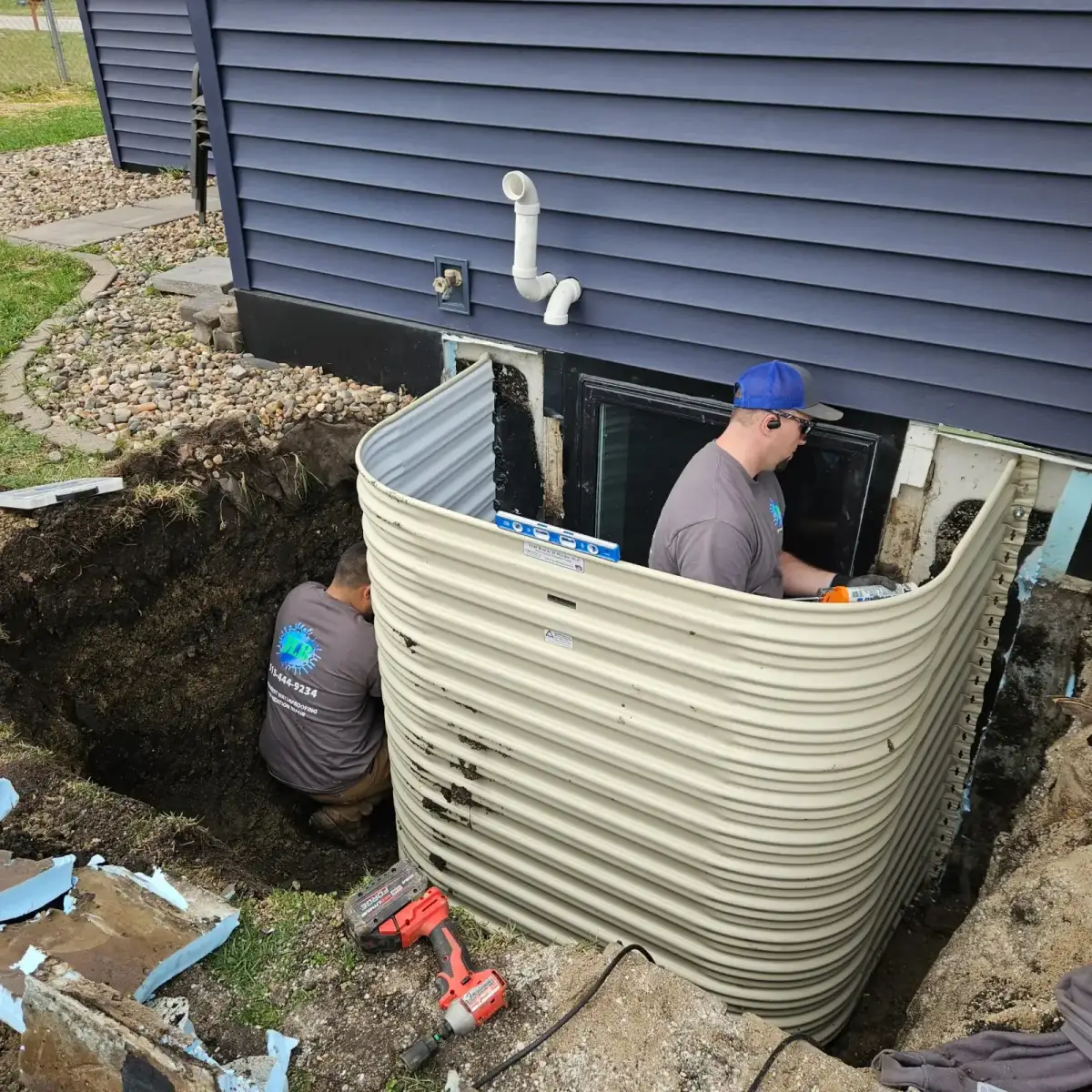
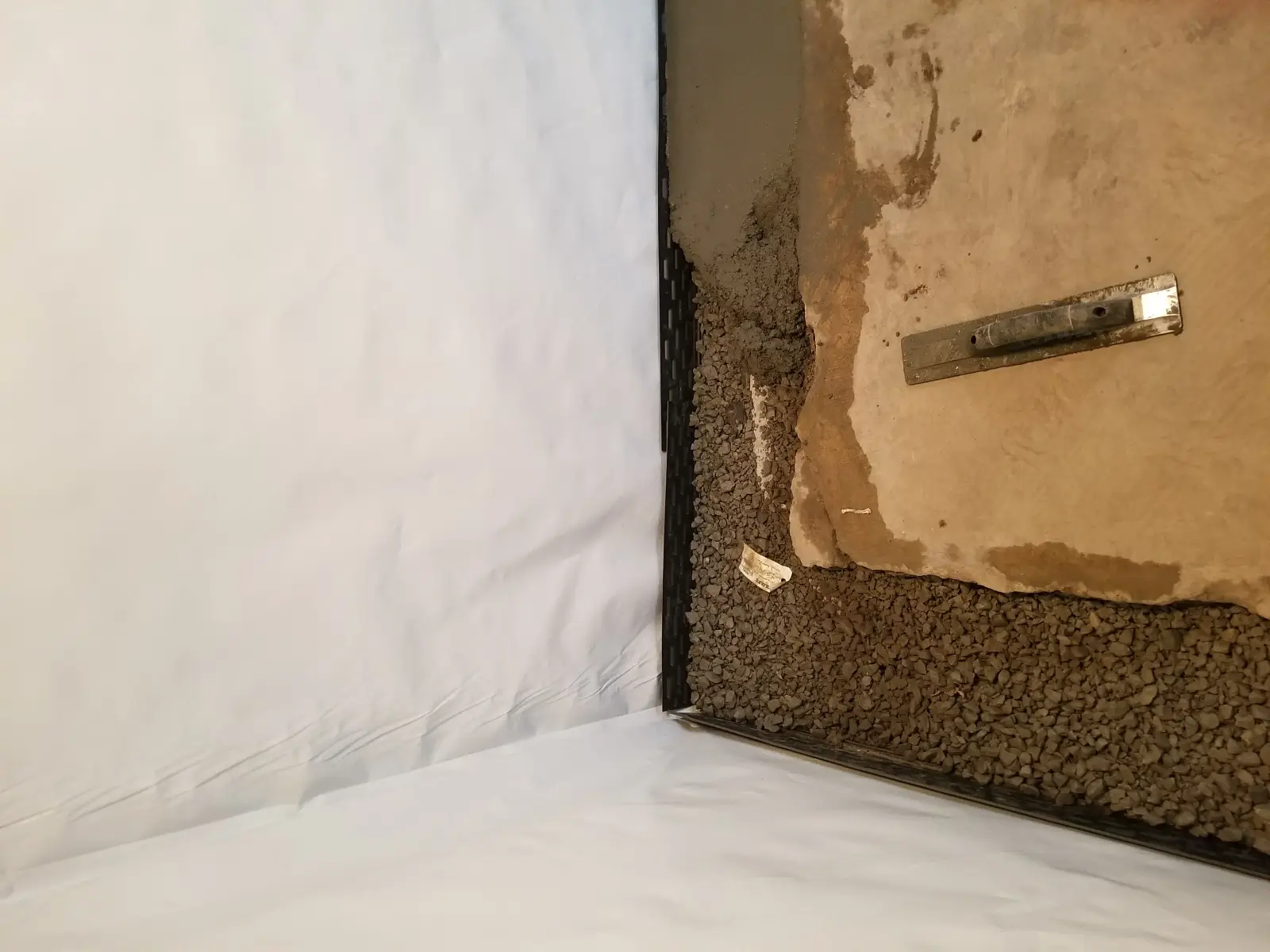
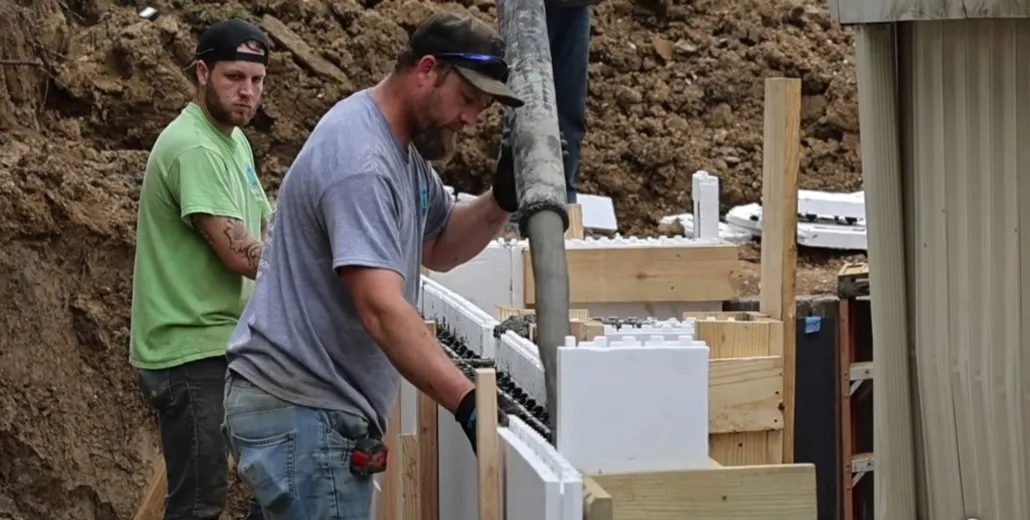
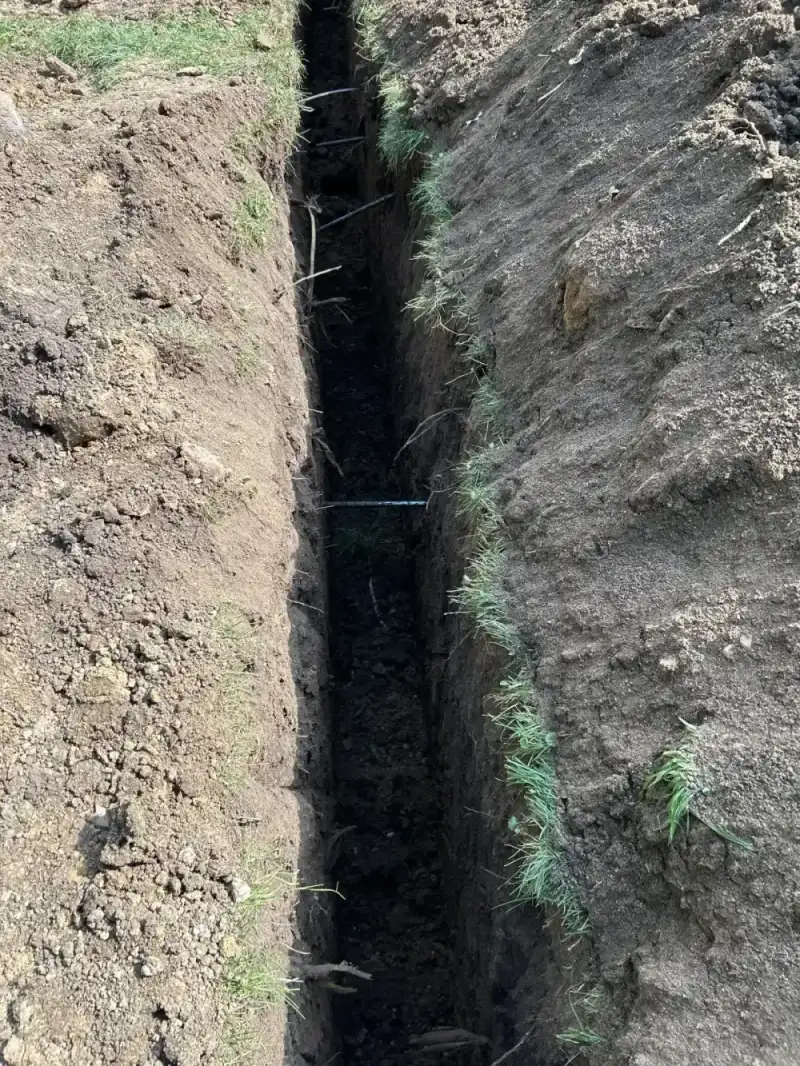
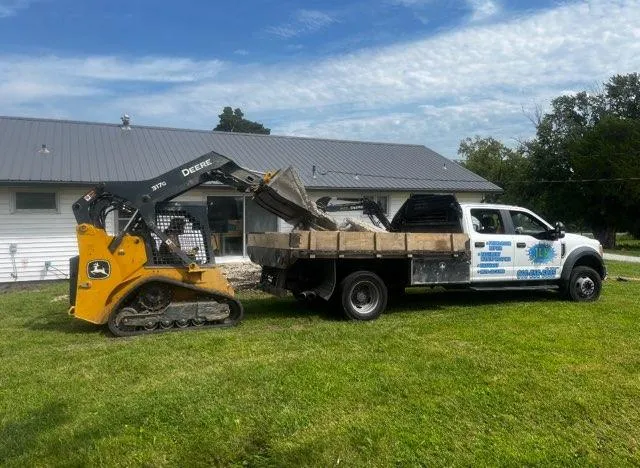
Every photo is from an actual JLB job site — not a stock photo. See the work we do every day across Kansas City and Des Moines.
Two Ways to Pay for It
12 Months Same As Cash
Pay the full balance within 12 months and you pay no interest.
Best if you can pay it off within a year.
5 Years at 6.99% APR
A lower monthly payment, spread over 60 months.
Best for bigger projects.
On approved credit. Ask for full terms at your free estimate.
Foundation and water problems rarely get cheaper while they wait.
French Drain and Drainage Questions for Lee's Summit
Because the slope is aiming the water rather than draining it. The expansive clay across Lee's Summit barely absorbs rainfall, so runoff runs across the surface downhill and stops at the lowest thing in its path — usually the low corner where a walk-out or daylight basement meets the exposed grade. Everything the hillside carries funnels to that one spot, which is why a home on an obvious slope can still take on water at a single predictable corner every spring. Catching that flow above the corner and giving it a path to a lower outlet is the fix.
On most sloped lots here, yes — and that is the advantage the rolling terrain gives you. Because there is almost always a lower point on the property to send water to, a French drain can daylight downhill by gravity, carrying intercepted water to an open outlet with no sump and no electricity involved. That makes for the simplest, most reliable drainage there is. A pump only becomes necessary when a home sits at the very bottom of a bowl with no lower point to reach, which is the exception rather than the rule in Lee's Summit.
Walk-out and daylight basements concentrate everything the slope delivers at the exposed downhill wall, and the door and window wells set into it are the entry points. The fix is to intercept the surface flow above that wall with a French drain or interceptor, carry your downspouts down-grade into the same outlet so roof water is not adding to the load, and set a catch basin at the persistent low spot. On sloped lots the whole system usually runs to a daylight outlet by gravity. Spring is when local homeowners see it because that is when rain volume peaks on clay that cannot absorb it.
For the majority of walk-out homes we see, it is drainage — surface runoff being concentrated at the low corner, not a structural failure. The foundation is doing its job; the lot is delivering more water to one spot than the ground can handle. Redirecting that water with exterior drainage usually resolves it. If water is coming through the wall itself or the floor rather than pooling against the exposed grade, that shifts into interior waterproofing territory. Walking the slope and seeing where the water actually enters tells us which one you have.
Far enough to reach a point genuinely lower than the drain, so gravity keeps carrying the water and it does not resurface near the foundation. On a sloped Lee's Summit lot that is usually straightforward — the low corner or the back of the property gives you the fall you need. The exact distance depends on how steep your grade is and where the natural low point sits, which is why we walk the lot before designing the run. The goal is water that leaves the property entirely rather than reappearing a few feet downhill.
Not Sure What You're Dealing With?
Click any symptom below to learn what it means, what's likely causing it, and how we can help. Most of these are more common — and more fixable — than you'd think.
Diagonal, stair-step, or horizontal cracks in drywall, plaster, or brick usually trace back to soil movement beneath your foundation. The heavy clay soils in the Kansas City and Des Moines metros expand and contract seasonally, which can shift your foundation over time. The good news: this is very fixable with the right approach.
Water entering through floor joints, wall cracks, or seeping through porous concrete means groundwater pressure is pushing moisture into your basement. An interior drainage system and sump pump can solve this permanently — and we can usually have it done in a day or two.
When a foundation settles unevenly, it can shift your home's frame just enough to make doors and windows bind. This is one of the earlier signs of foundation movement — and catching it early often means a simpler, less expensive repair.
That musty smell is moisture. Up to 40% of the air in your home rises from below — from your crawlspace and basement. If there's excess humidity down there, it affects your whole home. Encapsulation seals it out, and you'll notice the difference in your air quality right away.
Floors that slope toward the center or an exterior wall usually mean the support structure underneath needs attention. Push piers can stabilize your foundation and often lift it back to level — giving your floors a second life.
When soil washes out or compacts beneath a concrete slab, the slab drops and becomes uneven. Polyjacking uses expanding polyurethane foam to fill the void and lift the concrete back to grade — usually in under a day, with no heavy equipment needed.
Water collecting near your foundation means your grading or drainage isn't directing water away effectively. French drains, regrading, extended downspouts, and drain pipes can redirect water away from the house — protecting your foundation for the long haul.
A basement wall that has bowed more than 2 inches inward, shifted off its footing, or shows multiple structural cracks may have moved beyond what bracing can fix. When carbon fiber straps, I-beams, or wall anchors are not enough, the wall needs to be removed and rebuilt with reinforced concrete. This is the last resort — but it is the permanent fix when the wall itself is compromised.
Free Drainage Assessment in Lee's Summit
We'll assess the grading, water flow, and soil behavior around your Lee's Summit home — then design a drainage solution that fits. Fill out the form or call us at(816) 408-3651.
Where Else Does JLB Provide French Drains & Drainage?
Our Locations
We're always close enough to help — our crews are local to your area.
JLB Foundation Repair & Basement Waterproofing — Kansas City
111 NE 72nd St, Ste 111Kansas City, MO, 64119(816) 408-3651 View on Google Maps
Stop the Damage. Get Answers Today.
A free estimate takes 45 minutes and tells you exactly what's going on under your house — and exactly what it takes to fix it.