
Basement Sealing & Waterproofing in Lee's Summit, MO
Thousands of Lees Summit homes built during the 1980s–2000s growth boom are now 25 to 45 years old — entering the exact age window when Jackson County's expansive clay finally overwhelms original waterproofing measures and pushes water through basement walls and cove joints for the first time.
Get a precise analysis of your foundation and waterproofing situation, and a clear estimate on what any fixes or corrections might cost.
Takes 30 seconds. We'll call within 24 hours.
We'll be in touch within 24 hours.
Why do heavy spring rains push water into Lee's Summit basements that stay dry the rest of the year?
Rolling ground sends the rain to your foundation
Lee's Summit is built across rolling terrain dotted with lakes, and that topography decides where the water goes. A home sitting at the foot of a gentle slope — common throughout the neighborhoods off 291 Highway and around Longview Lake — catches sheet runoff from every yard uphill during a storm, while the house at the top of the same street stays dry. That concentrated surface water hits Jackson County's dense clay, which barely absorbs it, and pools against the downhill foundation wall exactly when the ground is already saturated.
The dry-nine-months, wet-in-spring pattern
Most Lee's Summit basements are poured concrete from the 1970s through the 2000s, and their owners often report the same thing: bone dry all year, then water every spring. That's the signature of hydrostatic pressure. Through a wet April and May the water table near the lakes rises, the clay reaches full saturation, and pressure at the footing spikes long enough to force water through the cove joint and any shrinkage crack in the wall. The asphalt damp-proofing sprayed on these walls when they were poured was a moisture coating, never a pressure barrier, and after two to four decades it has stopped doing even that.
Draining the pressure, not just mopping it up
The fix is to give that seasonal water somewhere to go before it reaches your floor. We install interior drain tile along the footing, tie it into a sump basin, and set a pump with a battery backup sized for the volume Jackson County clay delivers during a sustained spring storm — the exact conditions that overwhelm a builder-grade system. Where the real culprit is runoff pouring off the slope above the house, we'll say so and steer you toward exterior drainage and grading first, because pumping out water you could have diverted is the wrong order of operations. Every plan starts with a free on-site inspection and honest pricing for your basement's size and wall condition.

Meet the Team Serving Lee's Summit
JLB is a local crew — not a franchise. We handle basement waterproofing across Lee's Summit and the Kansas City metro. Watch to see who shows up at your door.
Watch Basement Waterproofing Work in Lee's Summit
Two Ways to Pay Over Time
12 Months Same As Cash
Pay the full balance within 12 months and you pay no interest.
5 Years at 6.99% APR
A lower monthly payment, spread over 60 months.
On approved credit. Ask for full terms at your free estimate.
Foundation and water problems rarely get cheaper while they wait.
What Basement Water Warning Signs Appear in Lee's Summit Homes?
The warning signs and what each one means are on our basement waterproofing page.
Water finding its way into your Lee's Summit basement?
Jackson County's clay soil holds water against foundation walls like a sponge. Once hydrostatic pressure exceeds what your walls can handle, the water comes in. Our free estimate identifies exactly where and why — and we'll show you the most cost-effective way to stop it permanently.

Who Handles Basement Waterproofing in Lee's Summit and Jackson County?
With nearly 101000 residents, Lee's Summit keeps our Jackson County crews busy year-round. From established neighborhoods to newer developments, we know the soil, we know the foundations, and we know the local permit process. When we show up at your door, you're getting the same team from inspection through final walkthrough.
Call (816) 408-3651“We had water coming in every single time it rained. JLB installed an interior drainage system and sump pump — haven't seen a drop since. We finally finished the basement and it's been bone dry through two years of Kansas City storms.”
Real Projects. Real Results.
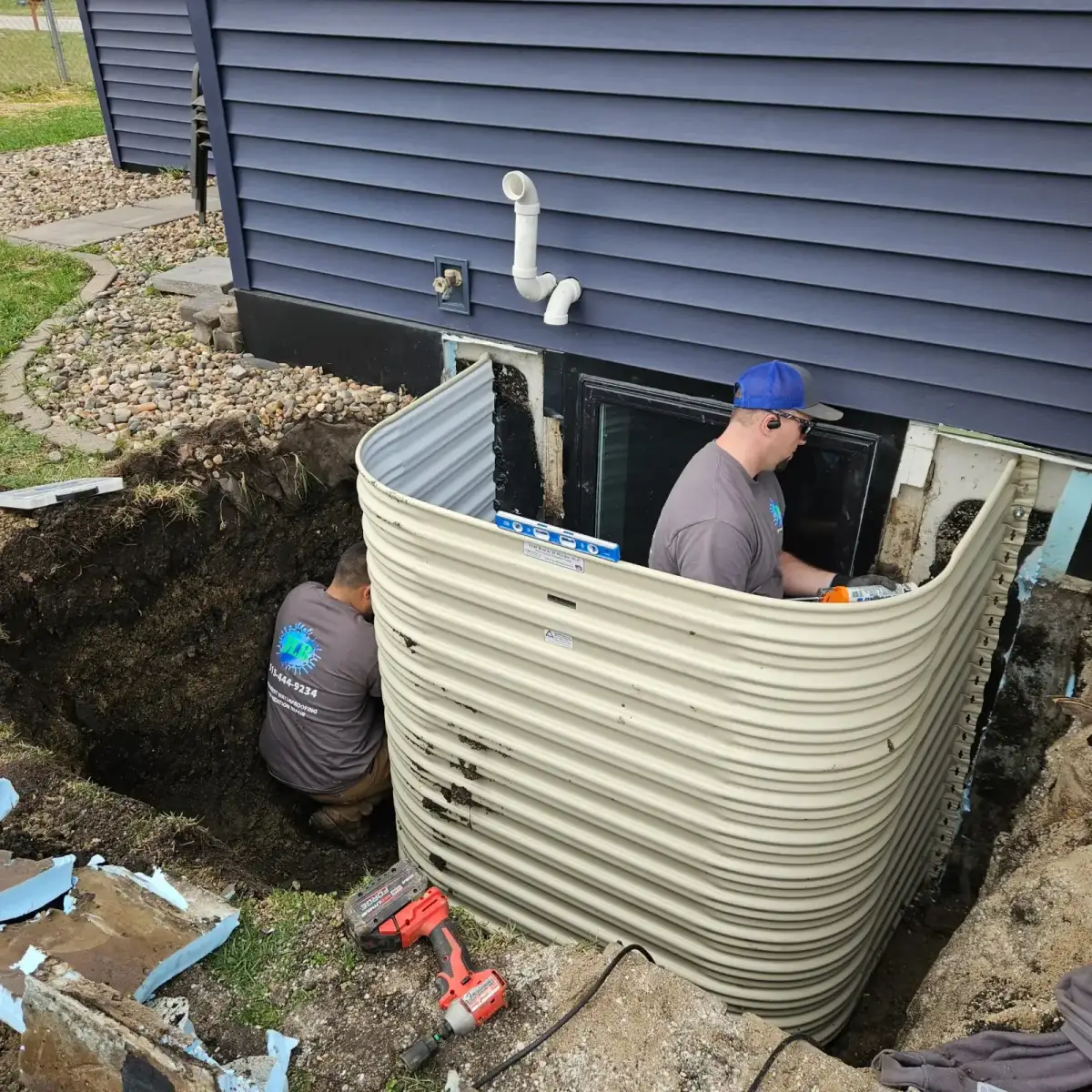
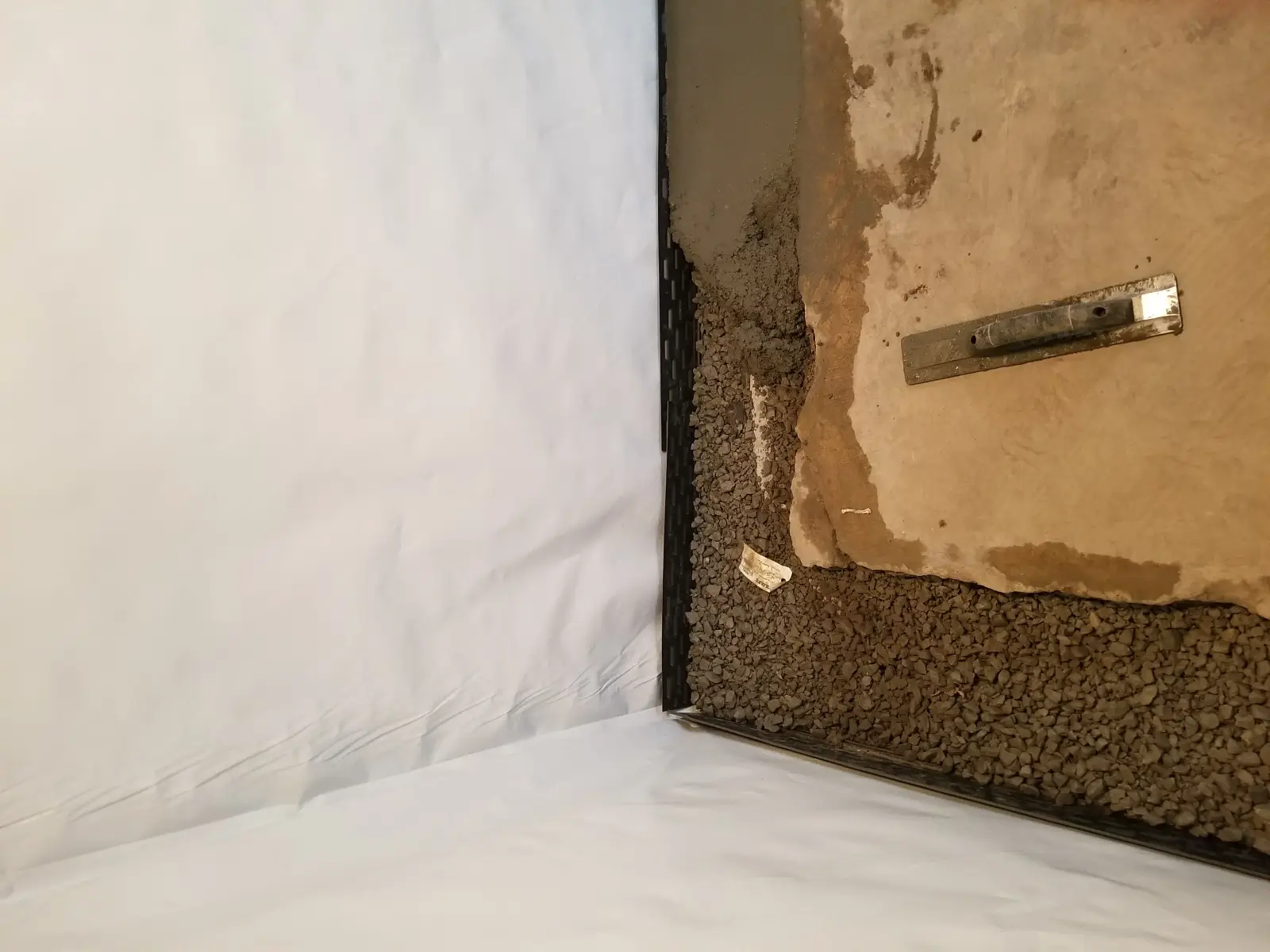
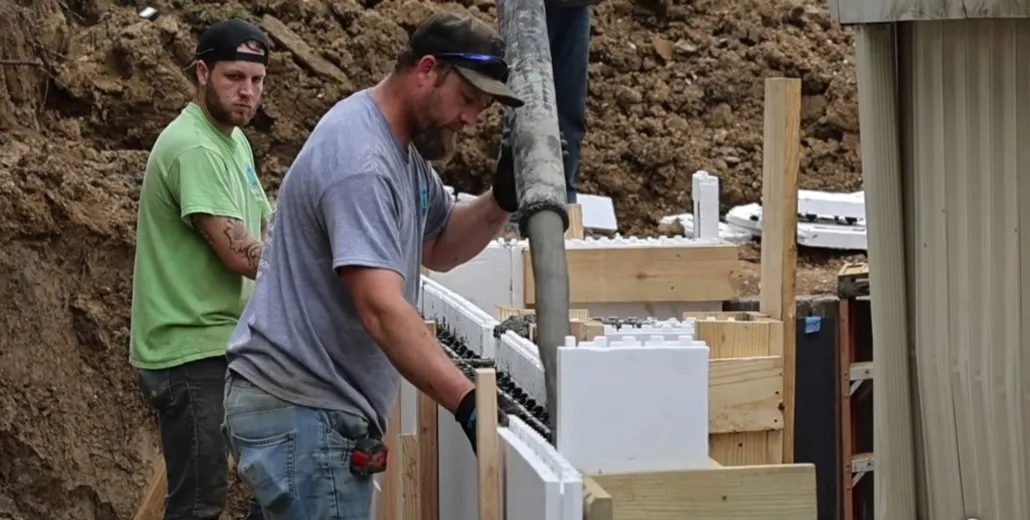
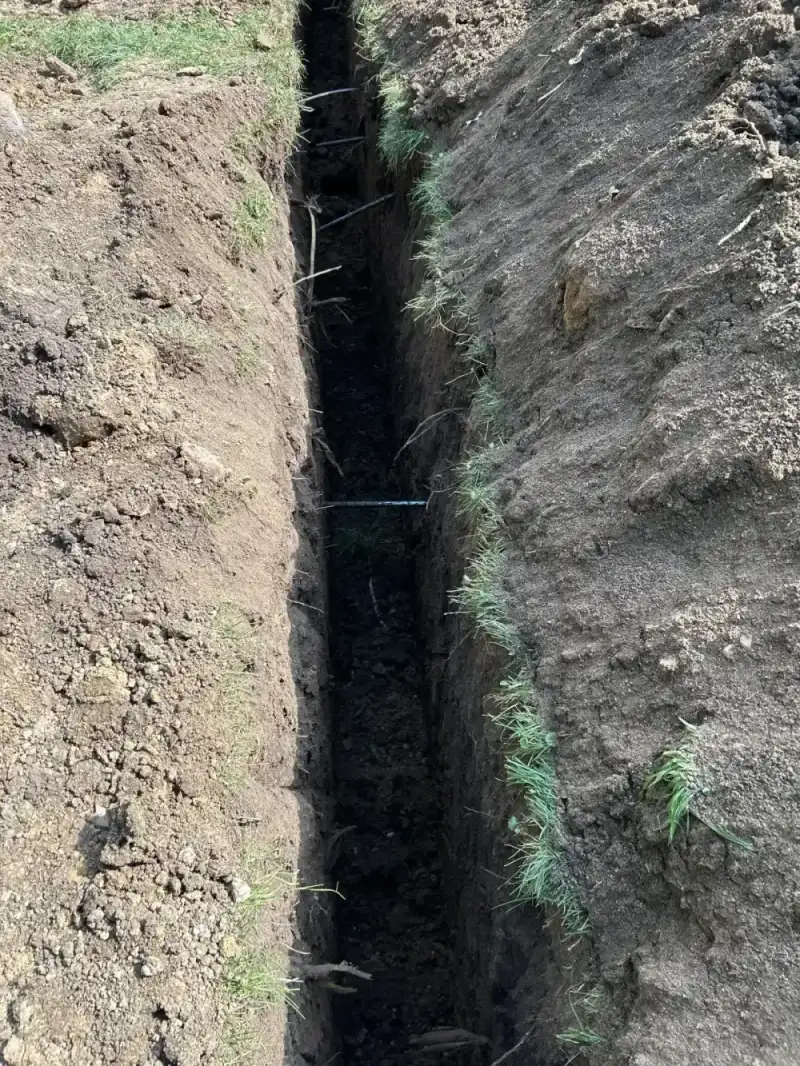
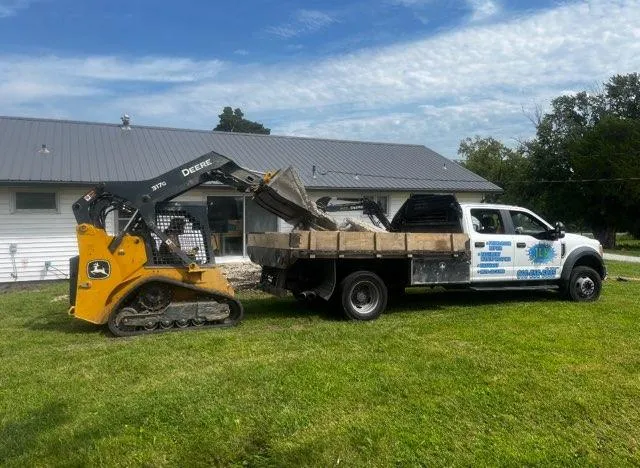
Every photo is from an actual JLB job site — not a stock photo. See the work we do every day across Kansas City and Des Moines.
What Does Basement Waterproofing Cost in Lee's Summit, MO?
Basement waterproofing costs in Lee's Summit depend on the severity of the moisture problem, your basement's size, and whether you need interior drainage, exterior work, or both. Here's what Jackson County homeowners are paying in 2026.
| Method | Typical Cost Range | Best For |
|---|---|---|
| Interior French drain + sump pump | $3,000–$7,000 | Active water seepage through floor/wall joint |
| Interior wall sealant/coating | $500–$2,500 | Minor dampness, condensation |
| Exterior waterproofing membrane | $8,000–$15,000 | Severe water intrusion, requires excavation |
| Sump pump installation | $1,000–$2,500 | Homes without existing pump, high water table areas |
| Crack injection (per crack) | $250–$800 | Individual foundation wall cracks |
| Complete interior system (drain + pump + wall treatment) | $4,000–$8,000 | Most common full solution |
| Exterior excavation + drain tile | $10,000–$20,000 | Full-perimeter exterior protection |
These ranges reflect typical Kansas City metro pricing as of 2026. Actual costs vary based on basement size, severity of water intrusion, and system type. JLB provides free estimates — call (816) 408-3651 for an accurate quote.
Two Ways to Pay for It
12 Months Same As Cash
Pay the full balance within 12 months and you pay no interest.
Best if you can pay it off within a year.
5 Years at 6.99% APR
A lower monthly payment, spread over 60 months.
Best for bigger projects.
On approved credit. Ask for full terms at your free estimate.
Foundation and water problems rarely get cheaper while they wait.
Basement Waterproofing Questions for Lee's Summit Homes
Most Lees Summit homes built during the 1980s–2000s growth period used damp-proofing rather than true waterproofing on foundation walls. That asphalt-based coating was never designed to resist sustained hydrostatic pressure — it was a moisture barrier, not a water barrier. After 25 to 45 years of Jackson County's extreme shrink-swell clay cycling and over 100 freeze-thaw events annually, those coatings crack and delaminate. Simultaneously, the cove joint where your basement wall meets the floor slab shifts just enough to create a pathway. Once the Wymore-Ladoga clay surrounding your foundation reaches full saturation during a wet May, pressure at the footing can hit 250 PSF, and water finds every new gap.
Interior drain tile in the Lees Summit area runs $49–$59 per linear foot installed, with a complete perimeter system including sump pump typically falling between $4,000 and $7,000. The final number depends on your basement's linear footage, the number of sump locations needed, and whether your home has poured concrete or block walls — block-wall homes common in older Lakewood and downtown historic district sections often require additional core drilling to relieve water trapped inside hollow blocks. Exterior waterproofing, which involves excavating around the foundation, ranges from $8,000 to $15,000 or more. For most Lees Summit homes on Jackson County's Group D clay soils, a properly designed interior system delivers the best performance-to-cost ratio.
Eastern Jackson County's rolling topography creates variable drainage conditions even within a single subdivision. Your home may sit at the base of a gentle slope that funnels surface water directly toward your foundation during heavy rains, while your neighbor uphill stays dry. Neighborhoods in the Summit Fair corridor and parts of Lakewood were graded during development, but after 25 to 40 years that grading has settled and shifted. Combined with Wymore-Ladoga clay that refuses to absorb water — Hydrologic Soil Group D means near-zero infiltration — surface runoff concentrates against foundations faster than it would on the flat terrain found in other parts of the metro. Proper waterproofing here must account for both hydrostatic pressure from below and surface water volume from above.
Yes — and the reasoning is specific to where you live. Jackson County's expansive clay exerts pressure that increases over time as drainage pathways around your foundation slowly deteriorate. If your Lees Summit home is 25 to 40 years old, you're in the window when original damp-proofing fails. Finishing a basement with framing, insulation, and drywall against walls that haven't been evaluated creates a hidden environment where water intrusion goes undetected until mold or structural damage forces a costly tear-out. Installing interior drain tile and a sump pump before finishing costs a fraction of retrofitting after the fact. Given 42 inches of annual rainfall and clay that holds every drop against your footing, the question isn't whether water will arrive — it's when.
They are, and it's a common situation in Lees Summit's late-1980s and early-1990s subdivisions. Concrete block walls contain hollow cores that fill with water once mortar joints deteriorate under Jackson County's relentless freeze-thaw cycling — over 100 cycles per year. Water enters through porous block faces, cracks in mortar, and the cove joint simultaneously, making the wall itself a reservoir. A standard interior drain tile along the footing won't fully address a block wall unless you also relieve water from inside those cores, typically by drilling weep holes at the base of each block column so water drains into the channel rather than building hydrostatic pressure inside the wall. In neighborhoods like Lakewood where block construction is common, this step is essential to a system that actually performs long-term.
Not Sure What You're Dealing With?
Click any symptom below to learn what it means, what's likely causing it, and how we can help. Most of these are more common — and more fixable — than you'd think.
Diagonal, stair-step, or horizontal cracks in drywall, plaster, or brick usually trace back to soil movement beneath your foundation. The heavy clay soils in the Kansas City and Des Moines metros expand and contract seasonally, which can shift your foundation over time. The good news: this is very fixable with the right approach.
Water entering through floor joints, wall cracks, or seeping through porous concrete means groundwater pressure is pushing moisture into your basement. An interior drainage system and sump pump can solve this permanently — and we can usually have it done in a day or two.
When a foundation settles unevenly, it can shift your home's frame just enough to make doors and windows bind. This is one of the earlier signs of foundation movement — and catching it early often means a simpler, less expensive repair.
That musty smell is moisture. Up to 40% of the air in your home rises from below — from your crawlspace and basement. If there's excess humidity down there, it affects your whole home. Encapsulation seals it out, and you'll notice the difference in your air quality right away.
Floors that slope toward the center or an exterior wall usually mean the support structure underneath needs attention. Push piers can stabilize your foundation and often lift it back to level — giving your floors a second life.
When soil washes out or compacts beneath a concrete slab, the slab drops and becomes uneven. Polyjacking uses expanding polyurethane foam to fill the void and lift the concrete back to grade — usually in under a day, with no heavy equipment needed.
Water collecting near your foundation means your grading or drainage isn't directing water away effectively. French drains, regrading, extended downspouts, and drain pipes can redirect water away from the house — protecting your foundation for the long haul.
A basement wall that has bowed more than 2 inches inward, shifted off its footing, or shows multiple structural cracks may have moved beyond what bracing can fix. When carbon fiber straps, I-beams, or wall anchors are not enough, the wall needs to be removed and rebuilt with reinforced concrete. This is the last resort — but it is the permanent fix when the wall itself is compromised.
Get Your Free Waterproofing Assessment in Lee's Summit
We'll evaluate your basement's drainage, crack patterns, and moisture levels — all at no cost. If your Lee's Summit basement is showing signs of water, fill out the form or call us at(816) 408-3651.
Basement Waterproofing in Cities Near Lee's Summit
Our Locations
We're always close enough to help — our crews are local to your area.
JLB Foundation Repair & Basement Waterproofing — Kansas City
111 NE 72nd St, Ste 111Kansas City, MO, 64119(816) 408-3651 View on Google Maps
Stop the Damage. Get Answers Today.
A free estimate takes 45 minutes and tells you exactly what's going on under your house — and exactly what it takes to fix it.