Foundation Repair in Raymore, Missouri — What Your Foundation Needs, Measured, Not Guessed
Raymore is one of the metro's newest suburbs — most of it went up in the explosive growth since the late 1990s, so the housing is modern and the foundations are poured concrete. What surprises Raymore homeowners is that new construction is no protection here: the Cass County clay under this flat prairie is exceptionally expansive, and even homes only five to ten years old routinely show significant floor cracks.
Get a precise analysis of your foundation and waterproofing situation, and a clear estimate on what any fixes or corrections might cost.
Takes 30 seconds. We'll call within 24 hours.
We'll be in touch within 24 hours.
Why is my newer Raymore home already cracking when it's barely ten years old?
Foundation repair in Raymore breaks the usual assumption that a newer home is a safe home. Raymore grew fast and grew late — the bulk of it was built during the boom that started in the late 1990s, so a typical house here is a modern poured-concrete foundation, not the aging block you find in the older suburbs. And yet the local experience is clear: even young homes, five to ten years in, commonly develop significant cracking. The reason isn't poor construction. It's that the soil under Raymore is, by the local record's own description, exceptionally expansive — some of the most active clay in the metro — and no amount of modern building keeps a foundation still when the ground it sits on won't hold still.
The way that soil behaves on Raymore's ground is what makes the damage read differently than it does in the hillier suburbs. Raymore sits on the southern edge of the metro on relatively flat Cass County prairie. Flat ground doesn't shed water — it lets rain soak in more or less evenly across a lot rather than running off to a low corner. So instead of one side of a house getting wet and settling, the whole footprint of clay swells together in a wet season and shrinks together in a dry one, and it swells with unusual force here because the clay is so expansive. The clearest place that shows up is the basement floor. An expansive clay that swells under a slab pushes the slab upward — that's heave, the opposite of settling — and a poured basement floor that gets lifted unevenly cracks. That's why the signature Raymore complaint is floor cracks in a house that's otherwise practically new.
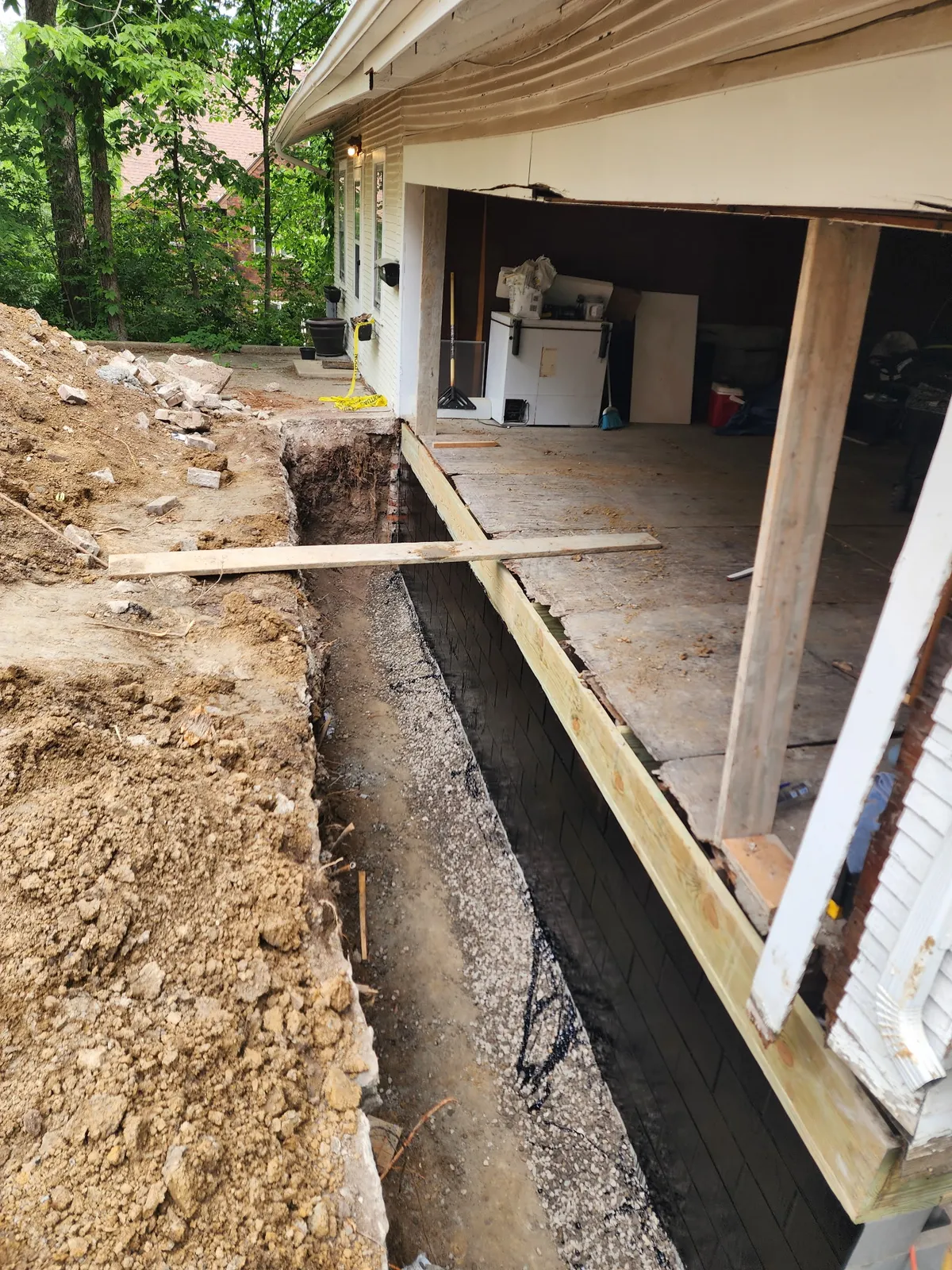
It doesn't stop at the floor. The same swelling clay presses inward on poured basement walls, and while a modern poured wall resists that better than old block, exceptional pressure can still open a horizontal crack or start a bow. And in the dry half of the cycle, when the clay pulls back hard, a footing can lose bearing and a section of the house can settle after all, opening the diagonal cracks that run from window and door corners. So a Raymore foundation can show movement in two directions — heave when the clay is wet, settlement when it's dry — sometimes in the same house across a single year. Sorting out which is happening where is exactly what a good inspection does before recommending anything.
How the movement shows up on a young Raymore home:
| What you notice | What's driving it | The repair |
|---|---|---|
| Cracked or heaved basement floor | Expansive clay swelling and lifting the slab | Manage moisture; relevel or address the slab; verify the footing |
| Diagonal crack from a window or door corner | A footing losing bearing as the clay shrinks in a dry cycle | Push or helical piers to load-bearing strata |
| Horizontal crack or inward bow in a poured wall | Lateral pressure from strongly swelling clay | Carbon-fiber straps or wall anchors |
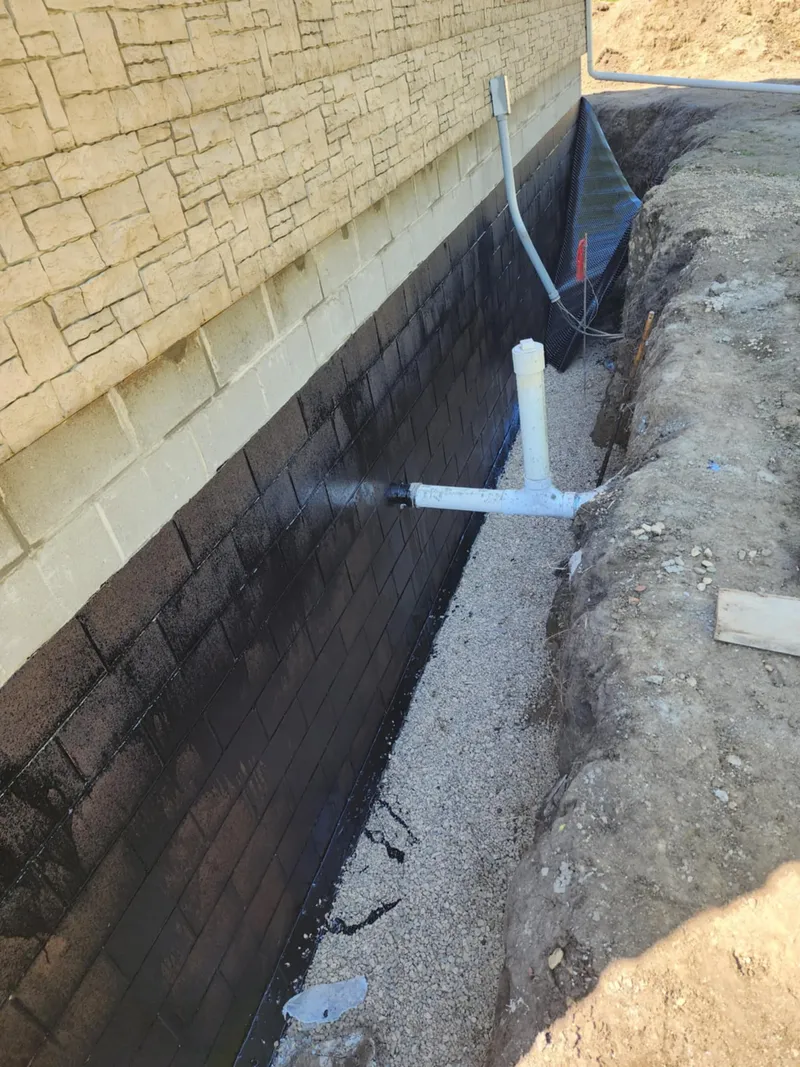
The repair depends entirely on which of those a home is showing, which is why the diagnosis has to come first. Where a footing has actually dropped, push or helical piers are driven past the active clay to load-bearing strata and torque-monitored so each is confirmed to capacity — the ICC-ES-evaluated systems described on the foundation repair page. Where a poured wall is being pushed, carbon-fiber straps or wall anchors restrain it. But because Raymore's core problem is a moisture-driven volume change in an exceptionally expansive soil, the most important long-term move is often steadying that moisture — grading, downspout extensions, and drainage that keep the clay from swinging so hard between saturated and bone-dry — which is why structural work here is frequently paired with drainage correction. Controlling the water is what keeps a young home from cracking again a few years later.
On cost, the fact that Raymore homes are newer doesn't make repairs automatically cheaper — the price tracks the pattern and its extent. As a market reference, push piers generally run in the neighborhood of $1,250 to $2,500 apiece and helical piers about $1,800 to $3,000, while wall restraint is quoted by the wall, and slab and drainage work by scope. Which of those a specific Raymore house needs, and how much, only comes from measuring on site, so an exact figure needs an on-site estimate. JLB works the same expansive Cass County clay through Belton, Raymore, and Lee's Summit along 71 Highway, close to Creekmoor and Foxwood Springs.
Meet the Team Serving Raymore
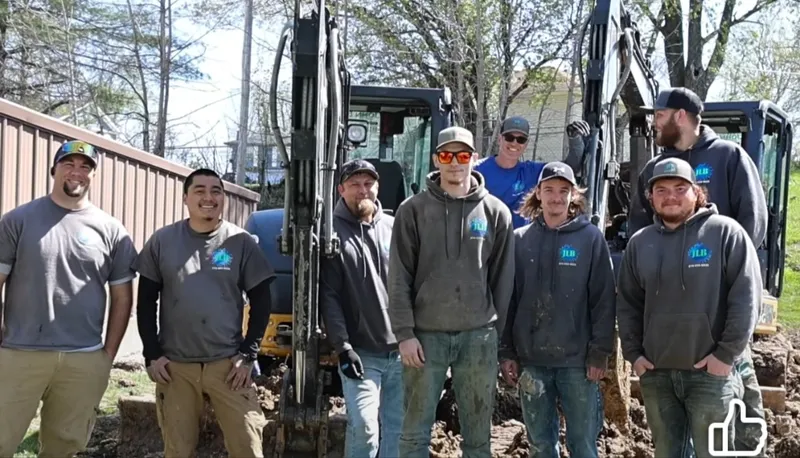
JLB is a local crew — not a franchise. We handle foundation repair across Raymore and the Kansas City metro. Watch to see who shows up at your door.
Watch Foundation Repair Work in Raymore
Two Ways to Pay Over Time
12 Months Same As Cash
Pay the full balance within 12 months and you pay no interest.
5 Years at 6.99% APR
A lower monthly payment, spread over 60 months.
On approved credit. Ask for full terms at your free estimate.
Foundation and water problems rarely get cheaper while they wait.
What Foundation Problems Develop in Newer Raymore Homes?
The warning signs and what each one means are on our foundation repair page.
Is your Raymore home showing signs of foundation trouble?
The clay soil under your home doesn't rest — it swells when wet, shrinks when dry, and pushes against your walls year after year. A free estimate tells you exactly what's happening beneath your Raymore home and what it takes to fix it.
Who Handles Foundation Repair in Raymore?
Raymore is a close-knit community of about 23000, and we treat it that way. Our Kansas City area crew handles every job in Raymore personally — the same team that inspects your home is the same team that does the work. No subcontractors, no handoffs.
Call (816) 408-3651“We had cracks running up our walls and doors that wouldn't close. JLB came out, explained exactly what was happening with the soil under our house, and had the piers installed in two days. Floors are level again. Wish we hadn't waited so long.”
Real Projects. Real Results.
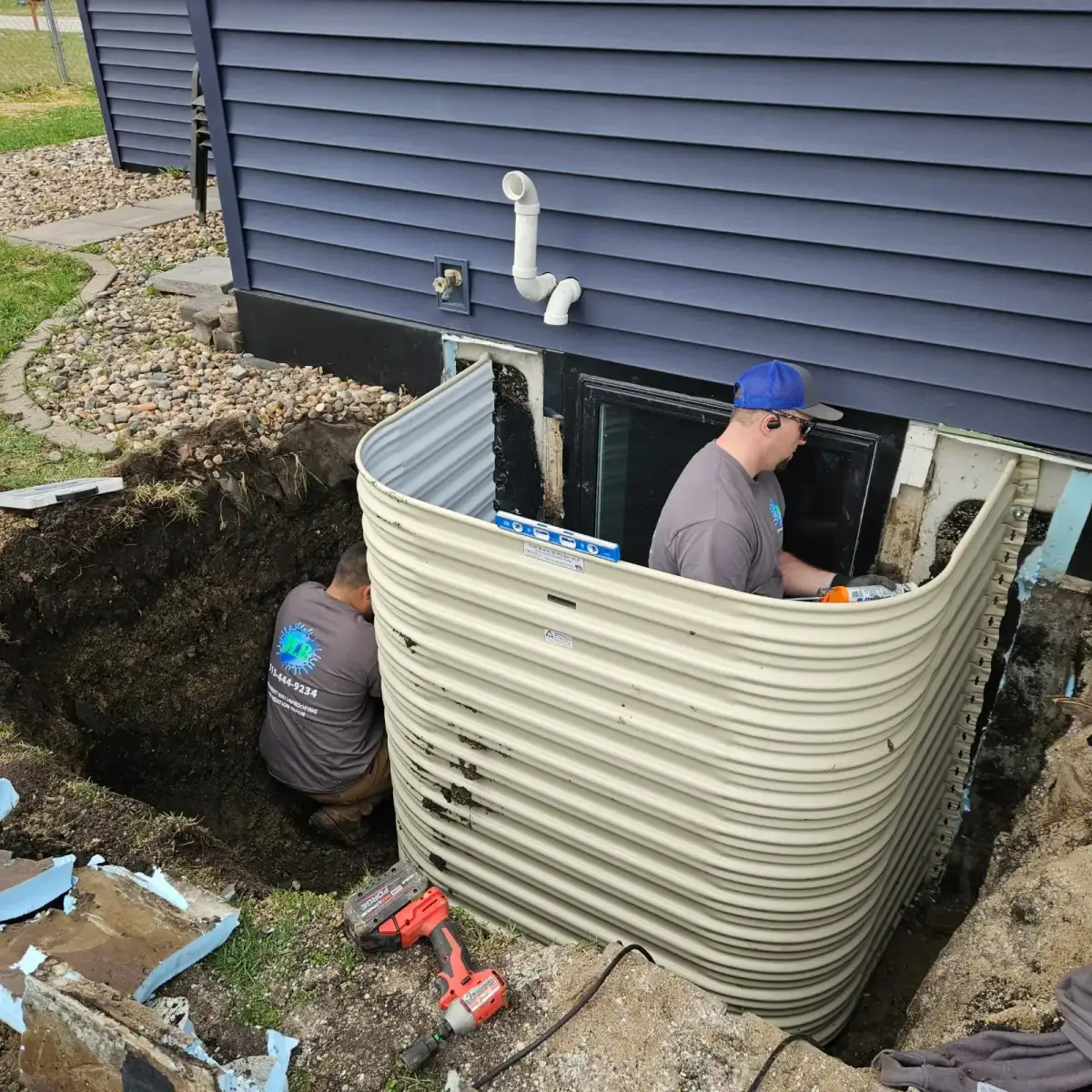
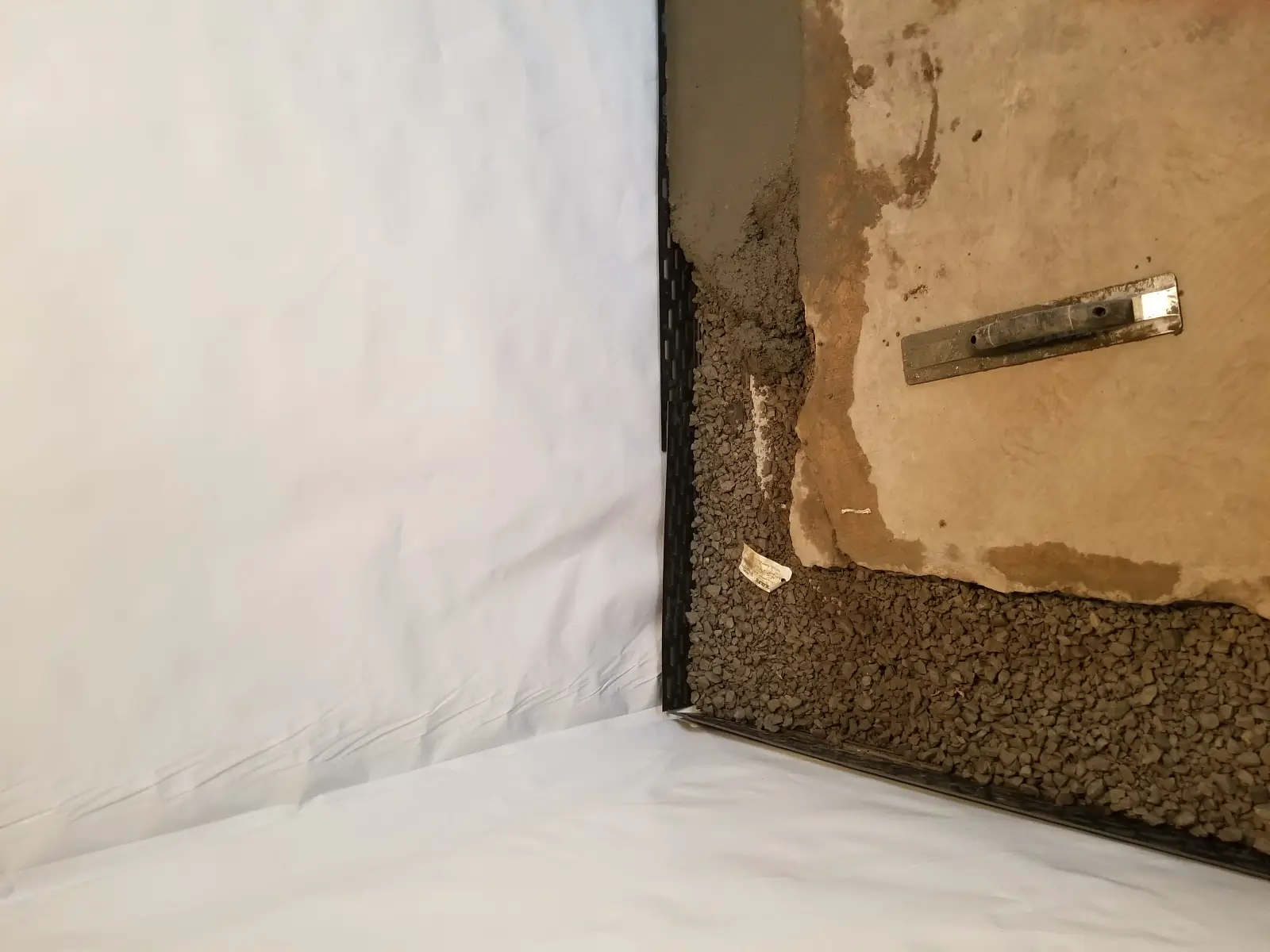
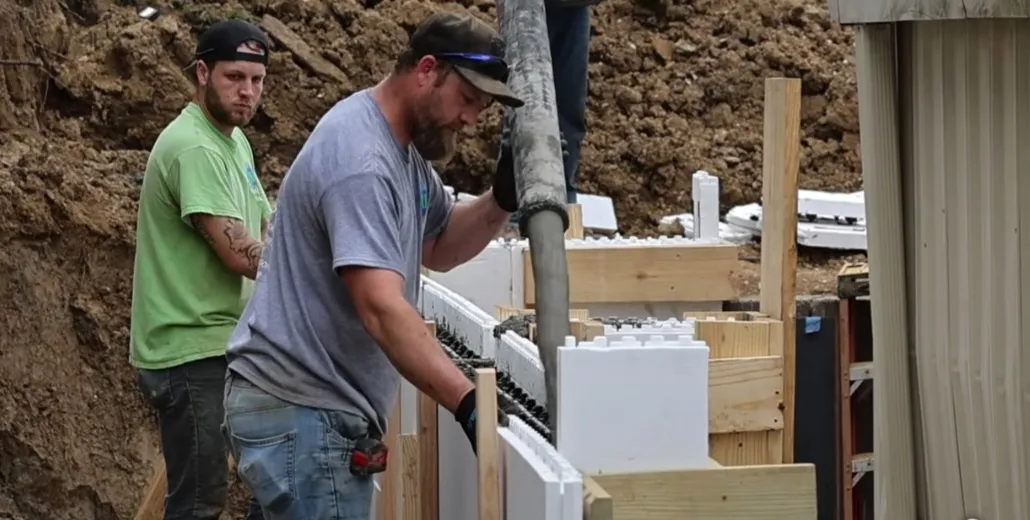
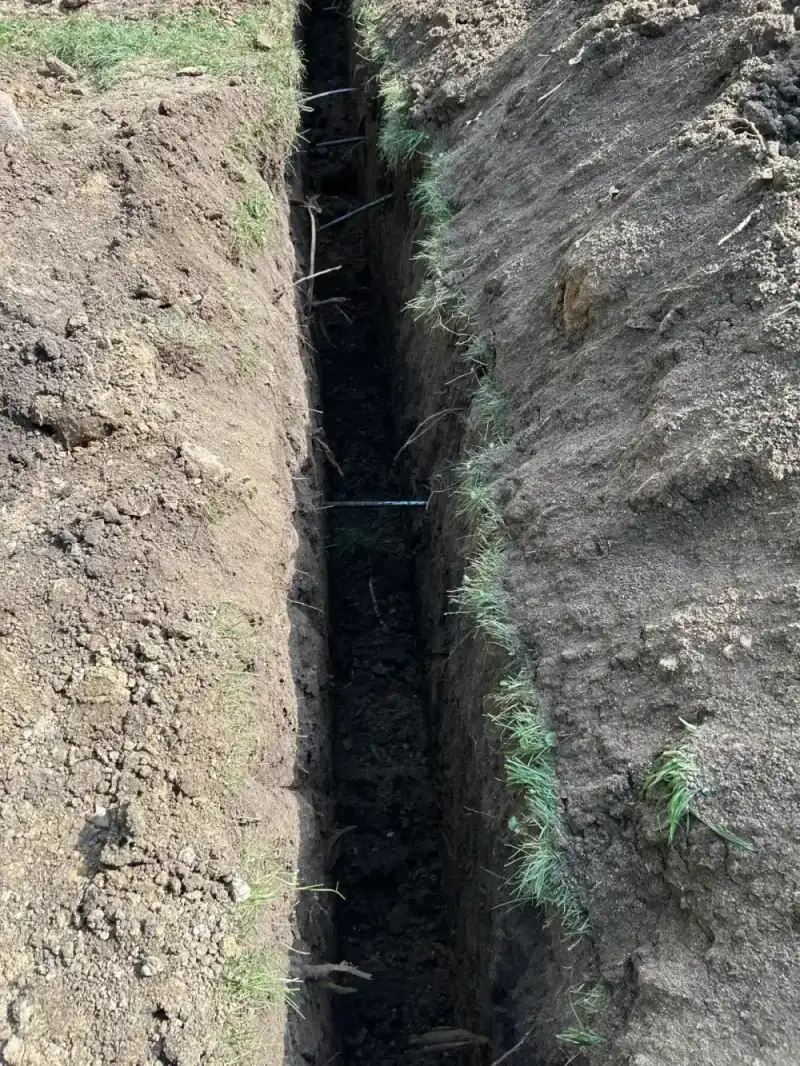
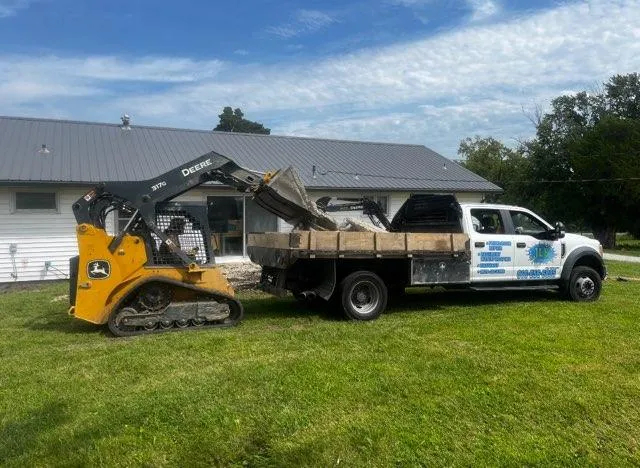
Every photo is from an actual JLB job site — not a stock photo. See the work we do every day across Kansas City and Des Moines.
What Does Foundation Repair Cost in Raymore, MO?
Foundation repair pricing in Raymore reflects local conditions: Cass County's clay soil, poured concrete construction, and the specific damage pattern in your home. Most projects fall in these ranges, though every home is different. JLB's free estimate gives you exact numbers.
| Repair Type | Typical Cost Range | Notes |
|---|---|---|
| Crack repair (epoxy/polyurethane injection) | $250–$800 per crack | Non-structural hairline cracks |
| Steel push piers | $1,000–$3,000 per pier | Permanent fix for settling foundations; most homes need 6–12 piers |
| Helical piers | $1,500–$3,500 per pier | Used when soil conditions require screwing into load-bearing strata |
| Wall anchors | $500–$1,000 per anchor | Stabilizes bowing basement walls; typically 4–8 per wall |
| Carbon fiber reinforcement | $300–$600 per strip | For minor to moderate wall bowing; less invasive than anchors |
| Minor foundation repair (total project) | $1,500–$5,000 | Small cracks, minor settling |
| Major foundation repair (total project) | $5,000–$15,000+ | Multiple piers, structural wall repair, significant settling |
| Structural engineer report | $300–$800 | Sometimes required before repair, sometimes included in estimate |
These ranges reflect typical Kansas City metro pricing as of 2026. Actual costs vary based on the severity of damage, accessibility, and specific repair method. JLB provides free estimates — call (816) 408-3651 for an accurate quote.
Two Ways to Pay for It
12 Months Same As Cash
Pay the full balance within 12 months and you pay no interest.
Best if you can pay it off within a year.
5 Years at 6.99% APR
A lower monthly payment, spread over 60 months.
Best for bigger projects.
On approved credit. Ask for full terms at your free estimate.
Foundation and water problems rarely get cheaper while they wait.
Foundation Repair Questions From Raymore Homeowners
It's the soil, not the builder. Raymore sits on exceptionally expansive Cass County clay — the local record notes that even homes five to ten years old often show significant floor cracks — and that soil changes volume dramatically as its moisture changes. When it soaks up water in a wet season it swells and can push a basement floor slab upward until it cracks; when it dries out it shrinks and can pull support out from under a footing. A modern poured foundation is built well, but it still has to sit on that ground, and no foundation stays perfectly still when the clay beneath it is expanding and contracting with real force. So early cracking in a young Raymore home is usually a sign of active soil doing what this particular clay does, not a sign that something was built wrong.
That's heave, and it's the flip side of settling. Under a basement floor, expansive clay that takes on water swells and pushes upward on the slab. Because Raymore's ground is flat, rain tends to soak in fairly evenly across a lot rather than draining to one side, so the clay under the whole floor can swell at once and lift the slab — and because this clay is unusually expansive, it lifts with more force than it would in a milder soil. A poured floor that gets pushed up unevenly cracks along the line of greatest stress. It's worth knowing that a lifting, cracking floor points to swelling clay, while a floor that feels like it's sloping downward points to the opposite problem, a settling footing. The two need different responses, which is why an inspection checks whether the floor is heaving or the structure is dropping.
Yes — flat ground changes the type of problem rather than removing it. On a sloped lot, water runs off toward a low corner and tends to cause one-sided settlement. On Raymore's flat prairie, water instead soaks in fairly evenly, so the clay across the whole footprint swells and shrinks more or less together. That uniform movement is exactly what drives the heave-and-crack pattern Raymore is known for: the floor lifts, poured walls get pushed inward, and in a dry year footings can drop. So flatness isn't protection here. Combined with a soil this expansive, it actually concentrates the damage into the floor and the walls rather than spreading it out as a gradual tilt, which is why even level-looking Raymore homes end up with active cracks.
It depends on which way the house is moving, and that varies more here than people expect. If a footing has lost bearing — you'll see diagonal cracks from window and door corners, doors starting to stick, floors that feel like they slope — then piers are the answer, driven down past the active clay to stable soil and torque-monitored so each one is confirmed to carry its load. But a lot of Raymore's damage is heave and lateral pressure rather than settlement: a floor being lifted or a poured wall being pushed inward. Those aren't pier problems — a lifted floor is a moisture-and-slab issue, and a pushed wall is restrained with carbon-fiber straps or wall anchors. Because the same expansive clay can cause all three, the only way to know whether your home needs piers, wall restraint, drainage, or some combination is to have the movement measured on site.
By addressing the moisture swing that drives them, not just patching the crack. Raymore's cracking comes from exceptionally expansive clay changing volume as it wets and dries, so the durable fix is to keep the moisture around and under the foundation as steady as possible. That means grading the soil so it slopes away from the house, extending downspouts to carry roof water well clear of the foundation, and correcting any drainage that lets water pond against the walls or soak the ground right next to them. Paired with the structural repair — piers for a dropped footing, anchors for a pushed wall — steadier moisture is what keeps the clay from swelling and shrinking hard enough to start new cracks. Patching alone, without controlling the water, tends to be temporary in a soil this active.
Raymore's homes being newer doesn't automatically make the work cheaper — the price follows what's actually happening to the foundation. As a market reference, push piers generally run somewhere around $1,250 to $2,500 each and helical piers roughly $1,800 to $3,000, while wall anchors and carbon-fiber strapping are priced by the wall, and slab or drainage work by its scope. A single settling corner, a full heaving floor, and a pushed basement wall are very different jobs, so until the movement is measured on site any quote would be a guess. That's what the visit is for. JLB's is a free 45-minute analysis with a written report you keep, including an honest read on whether a crack is active and needs work now or is stable enough to watch.
Not Sure What You're Dealing With?
Click any symptom below to learn what it means, what's likely causing it, and how we can help. Most of these are more common — and more fixable — than you'd think.
Diagonal, stair-step, or horizontal cracks in drywall, plaster, or brick usually trace back to soil movement beneath your foundation. The heavy clay soils in the Kansas City and Des Moines metros expand and contract seasonally, which can shift your foundation over time. The good news: this is very fixable with the right approach.
Water entering through floor joints, wall cracks, or seeping through porous concrete means groundwater pressure is pushing moisture into your basement. An interior drainage system and sump pump can solve this permanently — and we can usually have it done in a day or two.
When a foundation settles unevenly, it can shift your home's frame just enough to make doors and windows bind. This is one of the earlier signs of foundation movement — and catching it early often means a simpler, less expensive repair.
That musty smell is moisture. Up to 40% of the air in your home rises from below — from your crawlspace and basement. If there's excess humidity down there, it affects your whole home. Encapsulation seals it out, and you'll notice the difference in your air quality right away.
Floors that slope toward the center or an exterior wall usually mean the support structure underneath needs attention. Push piers can stabilize your foundation and often lift it back to level — giving your floors a second life.
When soil washes out or compacts beneath a concrete slab, the slab drops and becomes uneven. Polyjacking uses expanding polyurethane foam to fill the void and lift the concrete back to grade — usually in under a day, with no heavy equipment needed.
Water collecting near your foundation means your grading or drainage isn't directing water away effectively. French drains, regrading, extended downspouts, and drain pipes can redirect water away from the house — protecting your foundation for the long haul.
A basement wall that has bowed more than 2 inches inward, shifted off its footing, or shows multiple structural cracks may have moved beyond what bracing can fix. When carbon fiber straps, I-beams, or wall anchors are not enough, the wall needs to be removed and rebuilt with reinforced concrete. This is the last resort — but it is the permanent fix when the wall itself is compromised.
Schedule Your Free Foundation Estimate in Raymore
We'll check your foundation for cracks, settlement, and structural movement — then give you an honest assessment and clear pricing. No pressure, no scare tactics. Fill out the form or call us at(816) 408-3651.
Where Else Does JLB Provide Foundation Repair Near Raymore?
Our Locations
We're always close enough to help — our crews are local to your area.
JLB Foundation Repair & Basement Waterproofing — Kansas City
111 NE 72nd St, Ste 111Kansas City, MO, 64119(816) 408-3651 View on Google Maps
Stop the Damage. Get Answers Today.
A free estimate takes 45 minutes and tells you exactly what's going on under your house — and exactly what it takes to fix it.