Foundation Repair in Belton, Missouri — Solve the Water Getting Into Your Block Before It Reaches the Structure
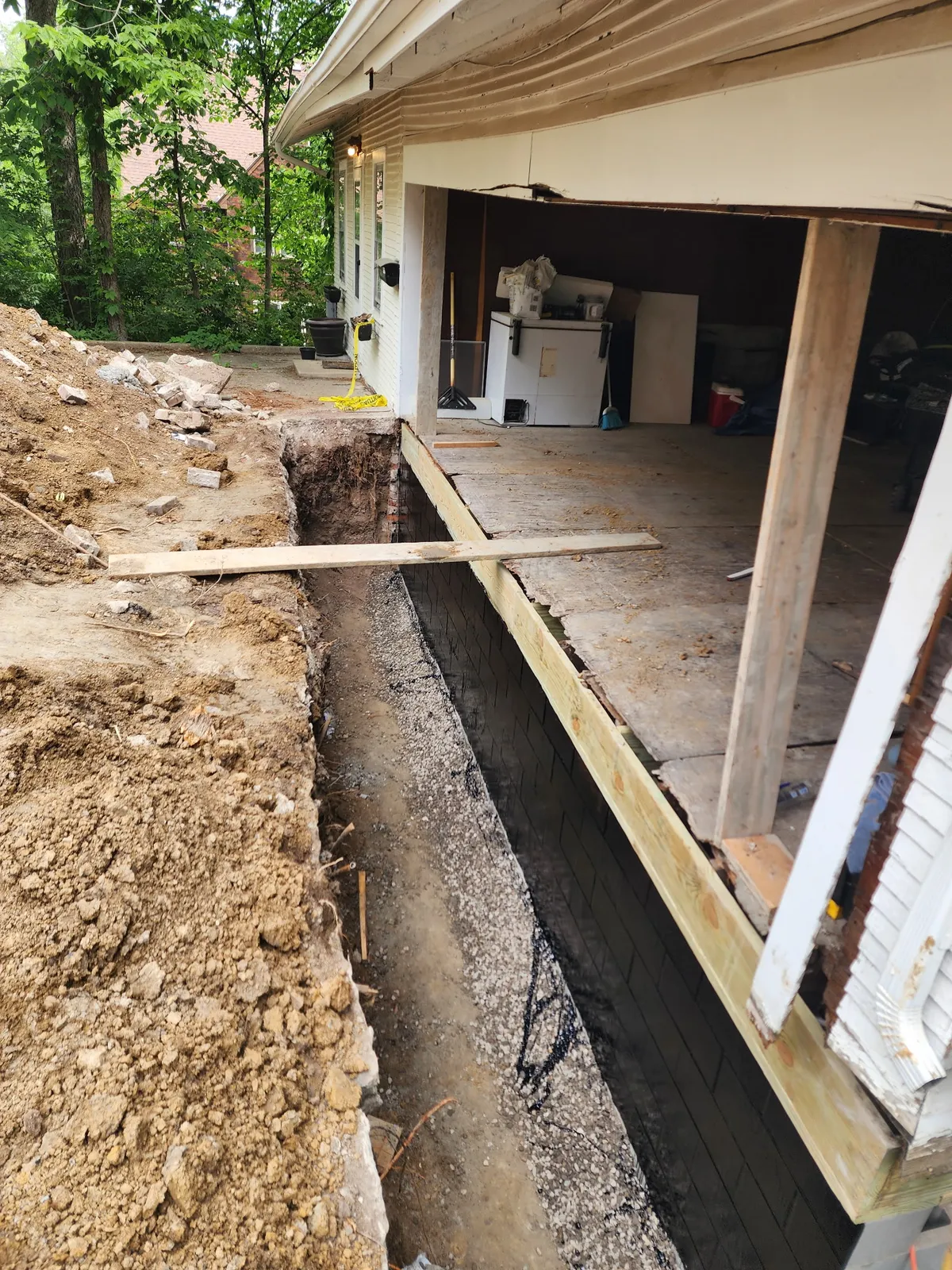
Belton is really three towns in one — a small historic core, a belt of post-war bungalows around the old Richards-Gebaur air base, and newer suburban subdivisions on the edges. The older block foundations near the former base share a specific weakness the local record singles out: they struggle with moisture entry, and on a block wall, water isn't just a wet-basement nuisance. It quietly weakens the wall itself.
Get a precise analysis of your foundation and waterproofing situation, and a clear estimate on what any fixes or corrections might cost.
Takes 30 seconds. We'll call within 24 hours.
We'll be in touch within 24 hours.
Why do Belton's older block basements near the base take on water — and why does that matter structurally?
Foundation repair in Belton starts with a fact most homeowners underrate: on a concrete block wall, water is a structural problem, not just a comfort one. Belton's housing is a mix — a small older core, a ring of mid-century bungalows built up around the Richards-Gebaur air base, and newer suburban development farther out — and the local record points specifically at those older block foundations near the base for how much they struggle with moisture entry. That detail matters because a block wall and a poured wall handle water very differently. A poured wall is a solid mass. A block wall is hollow units stacked with mortar joints, and both the block and the mortar are porous, so a block basement that sits in wet Cass County ground doesn't just get damp inside — the wall material itself takes on water.
And a wall that stays wet is a weaker wall. Saturated block and old mortar lose strength: the mortar joints soften and erode, efflorescence and freeze-thaw work at the faces, and the wall's ability to resist a sideways push drops right when it needs that strength most. Because Cass County's clay swells against a basement wall every wet season, a block wall near the old base is being asked to hold back that lateral pressure while the water soaking into it is steadily reducing what it can hold. That's the chain that plays out in these Belton basements — moisture entry first, weakened block second, then the structural signs: stair-step cracks tracking the softened mortar joints, a horizontal crack partway up, and eventually an inward bow. The water doesn't crack the wall by itself; it lowers the wall's defenses so the clay's push does.
Which part of Belton a home sits in shapes what you find. The mid-century block near Richards-Gebaur is the classic moisture-and-block case above. The small historic core has the oldest foundations, where age has already thinned the mortar's margin. The newer suburban subdivisions have poured walls that shrug off moisture far better but can still settle when the flat Cass ground dries and a footing loses bearing — a diagonal-crack pattern rather than a bow. Knowing which Belton you're in is the first read of any honest inspection.
What tends to show up, by the part of town:
| Where / what | Typical foundation | What you see | The fix |
|---|---|---|---|
| Near the old base | Mid-century block | Damp, spalling block; stair-step cracks; inward bow | Cut off the water, then straps or wall anchors to restrain |
| Historic core | Oldest block / masonry | Eroded mortar joints, movement of long standing | Repoint and drain, anchor or brace as the wall requires |
| Newer subdivisions | Poured concrete | Diagonal corner cracks, sloping floors | Push or helical piers to load-bearing strata |
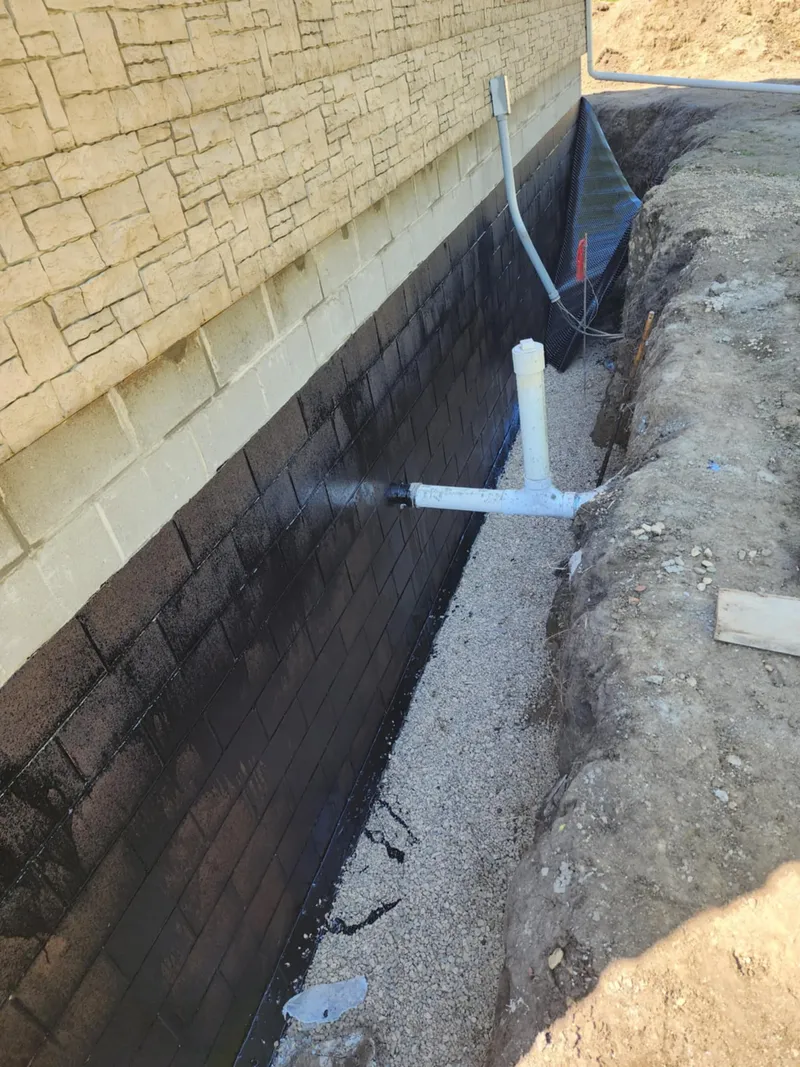
The repair order in Belton is what makes it different: on a moisture-weakened block wall you deal with the water and the wall together, not the wall alone. That means correcting the drainage that's feeding the block — grading, downspout extensions, and interior or exterior drainage as needed — and then restraining the wall with carbon-fiber straps if it's early or steel wall anchors set into stable yard soil if it has bowed further. Straighten a wall while it's still soaking up water and you've fixed a symptom; take the water away first and the repair holds. Where the issue is a settled footing under a newer poured home instead, the answer is push or helical piers driven to load-bearing strata and torque-monitored, the systems detailed on the foundation repair page. Because water is so central here, most Belton block repairs are paired with waterproofing and drainage.
On cost, a Belton repair is priced by the wall and its condition, and the moisture history is part of that — a wall that's been wet for years may need drainage plus restraint plus mortar work, while a newer home's settled corner may just need a few piers. As a market reference, push piers commonly run about $1,250 to $2,500 each and helical roughly $1,800 to $3,000, and wall anchors and strapping are quoted by the wall and hardware, but the real number depends on what the water has done and how far the wall has moved, so an exact figure needs an on-site estimate. JLB covers the same south-metro Cass County ground through Raymore, Grandview, and Belton along I-49, near Belton Town Center and Markey Park.
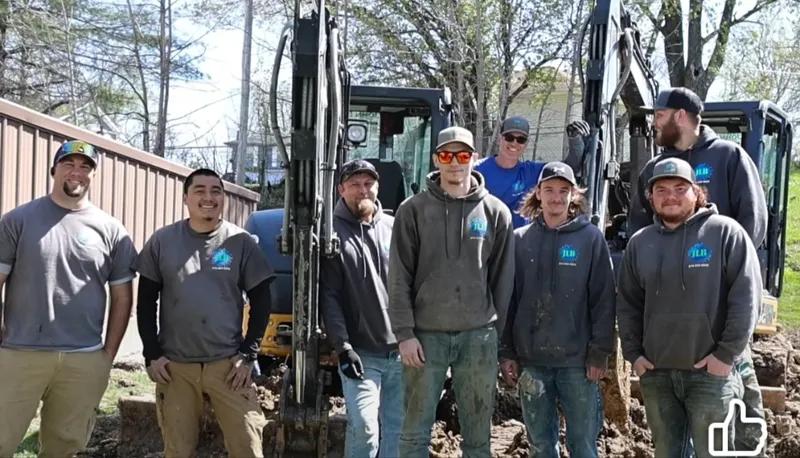
Meet the Team Serving Belton
JLB is a local crew — not a franchise. We handle foundation repair across Belton and the Kansas City metro. Watch to see who shows up at your door.
Watch Foundation Repair Work in Belton
Two Ways to Pay Over Time
12 Months Same As Cash
Pay the full balance within 12 months and you pay no interest.
5 Years at 6.99% APR
A lower monthly payment, spread over 60 months.
On approved credit. Ask for full terms at your free estimate.
Foundation and water problems rarely get cheaper while they wait.
What Foundation Warning Signs Are Common in Belton's Older Homes?
The warning signs and what each one means are on our foundation repair page.
Noticed cracks in your Belton basement walls?
The concrete block foundations common in Belton develop predictable failure patterns — and early detection makes the difference between a straightforward repair and a major structural project. A free estimate takes about an hour and tells you exactly where you stand.
Who Handles Foundation Repair in Belton?
Belton is a close-knit community of about 23000, and we treat it that way. Our Kansas City area crew handles every job in Belton personally — the same team that inspects your home is the same team that does the work. No subcontractors, no handoffs.
Call (816) 408-3651“We had cracks running up our walls and doors that wouldn't close. JLB came out, explained exactly what was happening with the soil under our house, and had the piers installed in two days. Floors are level again. Wish we hadn't waited so long.”
Real Projects. Real Results.
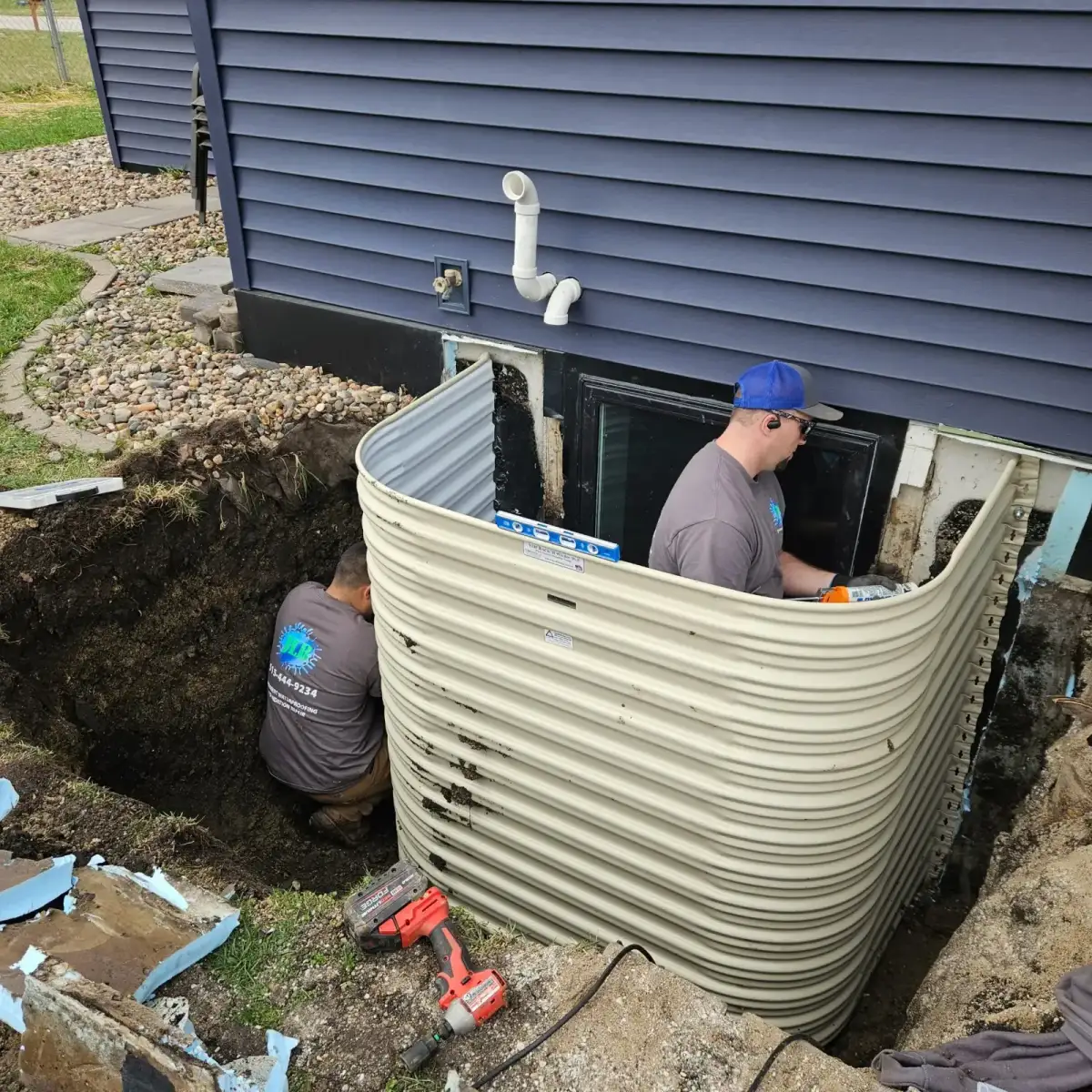
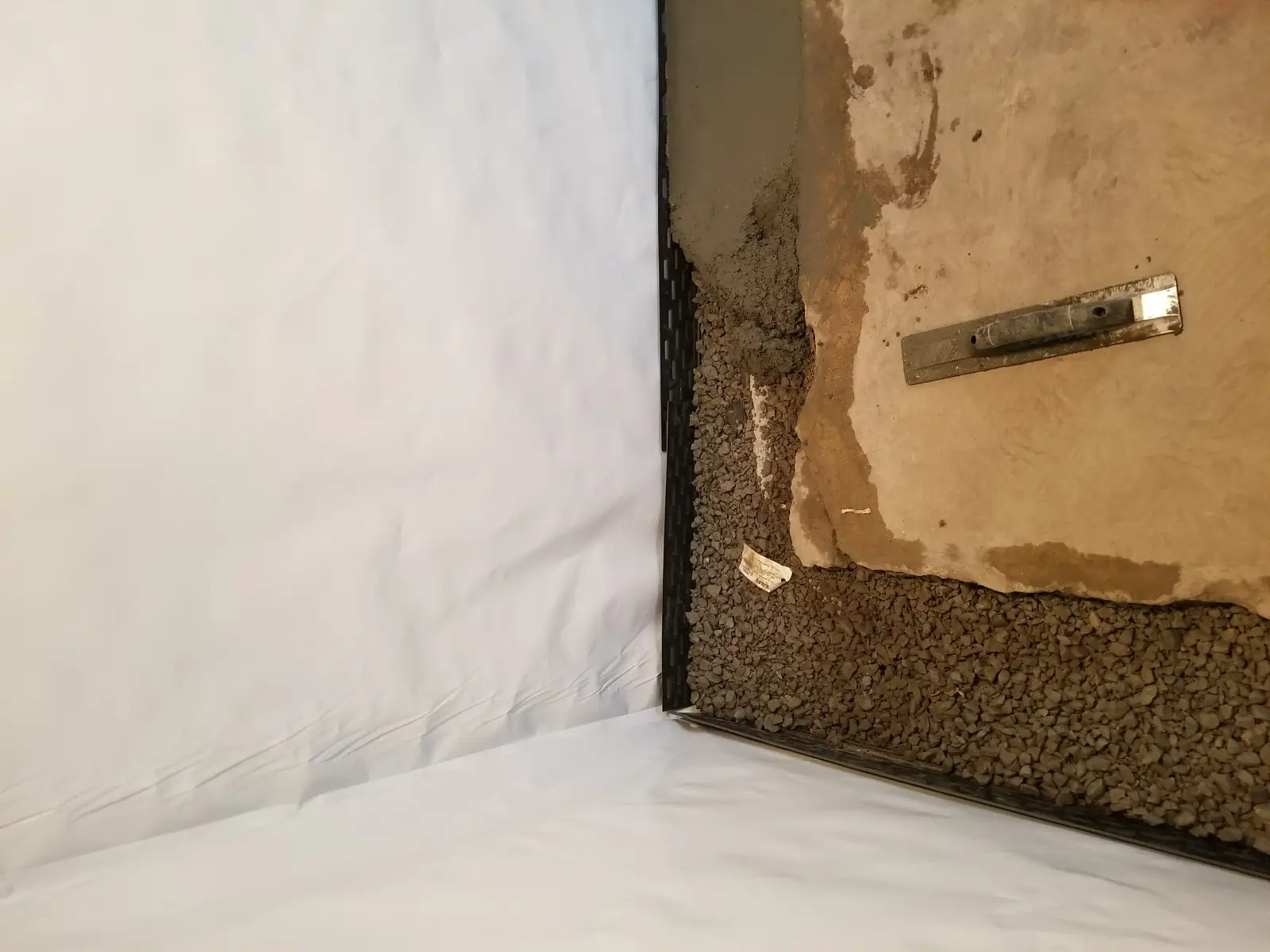
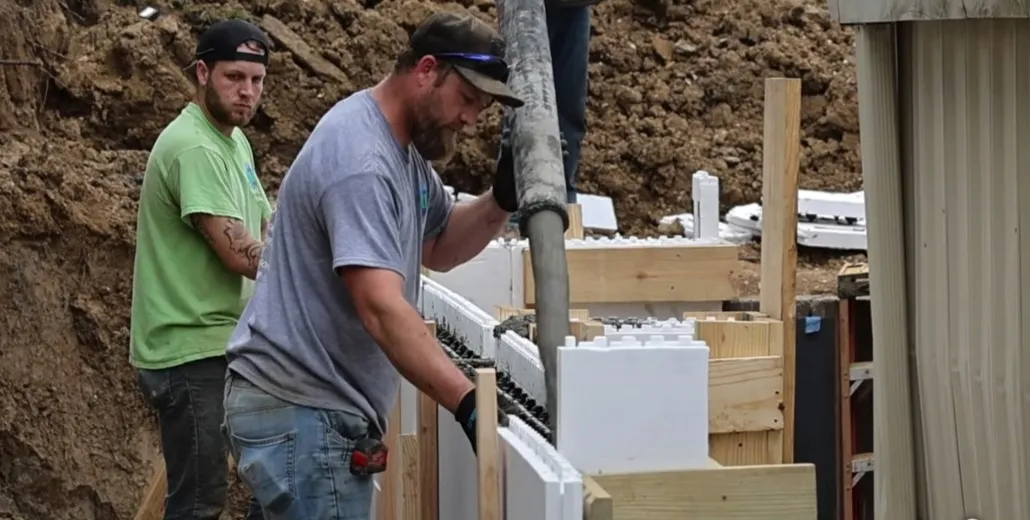
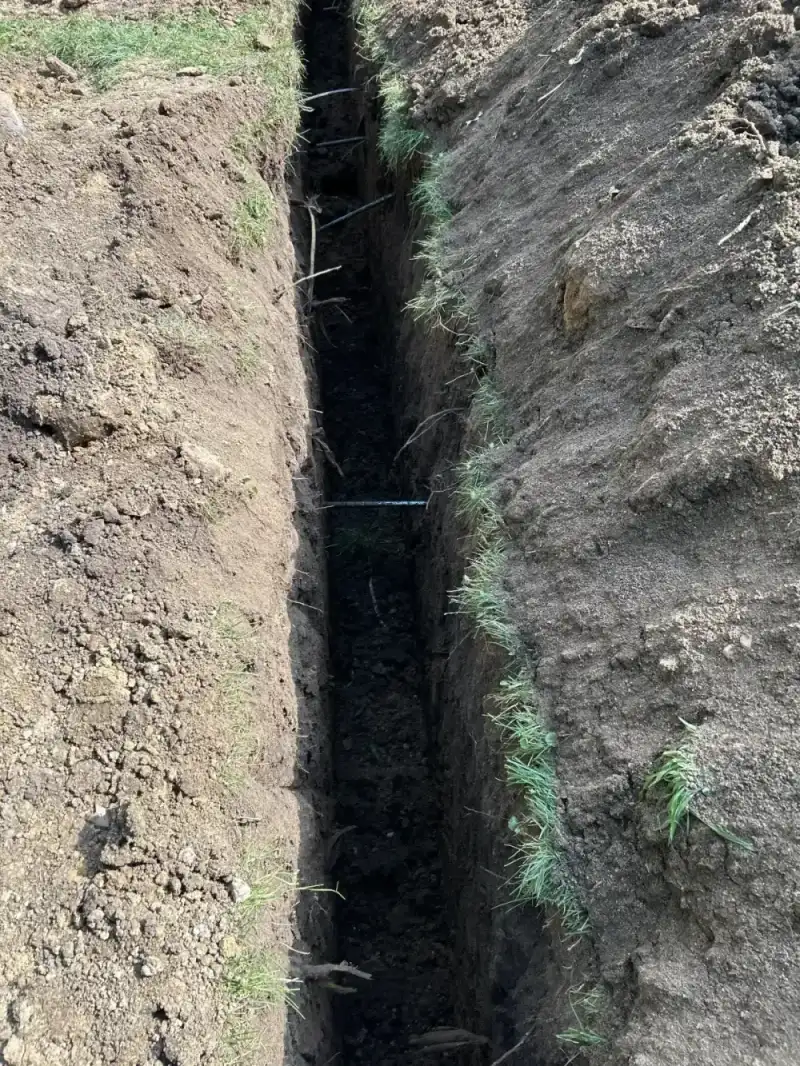
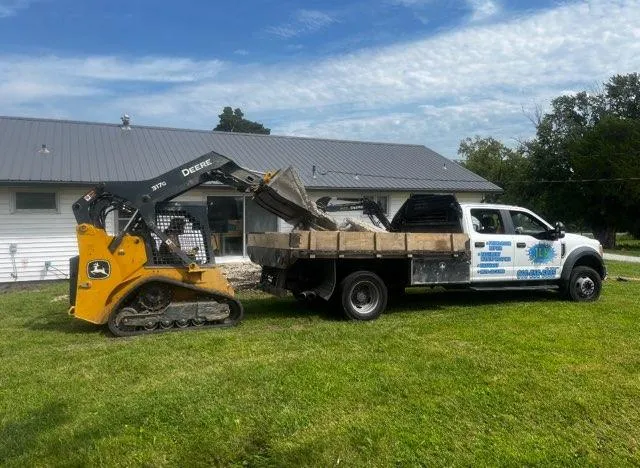
Every photo is from an actual JLB job site — not a stock photo. See the work we do every day across Kansas City and Des Moines.
What Does Foundation Repair Cost in Belton, MO?
Belton's older housing stock — many homes built on concrete block foundations from the Mix of small historic core, post-war bungalows near the air force base, and newer suburban development. — often requires more extensive structural work than newer suburbs. Here's what Cass County homeowners typically pay for foundation repair in 2026.
| Repair Type | Typical Cost Range | Notes |
|---|---|---|
| Crack repair (epoxy/polyurethane injection) | $250–$800 per crack | Non-structural hairline cracks |
| Steel push piers | $1,000–$3,000 per pier | Permanent fix for settling foundations; most homes need 6–12 piers |
| Helical piers | $1,500–$3,500 per pier | Used when soil conditions require screwing into load-bearing strata |
| Wall anchors | $500–$1,000 per anchor | Stabilizes bowing basement walls; typically 4–8 per wall |
| Carbon fiber reinforcement | $300–$600 per strip | For minor to moderate wall bowing; less invasive than anchors |
| Minor foundation repair (total project) | $1,500–$5,000 | Small cracks, minor settling |
| Major foundation repair (total project) | $5,000–$15,000+ | Multiple piers, structural wall repair, significant settling |
| Structural engineer report | $300–$800 | Sometimes required before repair, sometimes included in estimate |
These ranges reflect typical Kansas City metro pricing as of 2026. Actual costs vary based on the severity of damage, accessibility, and specific repair method. JLB provides free estimates — call (816) 408-3651 for an accurate quote.
Two Ways to Pay for It
12 Months Same As Cash
Pay the full balance within 12 months and you pay no interest.
Best if you can pay it off within a year.
5 Years at 6.99% APR
A lower monthly payment, spread over 60 months.
Best for bigger projects.
On approved credit. Ask for full terms at your free estimate.
Foundation and water problems rarely get cheaper while they wait.
Foundation Repair Questions From Belton Homeowners
Because a block wall is porous in a way a poured wall isn't. Poured concrete is a solid mass; a block wall is hollow units stacked with mortar joints, and both the block and the mortar absorb water. The older block foundations near the former Richards-Gebaur base — which the local record notes struggle with moisture entry — don't just get a damp interior; the wall material soaks up water. That's a structural issue, not only a comfort one, because saturated block and softened mortar are weaker than dry ones. The wall loses some of its ability to resist the sideways pressure of the surrounding clay at the very time it needs that strength. So in Belton, controlling the water isn't a separate project from the structural repair — on a block wall it's part of the same repair.
It's more of an accomplice than the direct cause. The force that opens the cracks is Cass County's clay swelling and pushing sideways against the wall each wet season. What the moisture does is weaken the wall so it can't take that push as well: it softens and erodes the mortar joints, and cycles of wetting, drying, and freezing spall the block faces. A weakened block wall then cracks along its now-softened mortar joints — the stair-step pattern — and can develop a horizontal crack and lean inward. So you'll usually see the dampness and the cracking together, and that's not a coincidence: the water lowers the wall's resistance, and the clay supplies the force. Fixing one without the other is why some repairs don't hold, which is the reason a Belton inspection looks at the moisture and the movement as one problem.
Belton is really three areas, and they don't share the same risk. The mid-century block foundations near the former Richards-Gebaur base are the ones the local record flags for moisture entry, and they're where the water-weakens-the-block pattern is most common. The small historic core has the oldest foundations, where age has already used up some of the mortar's margin. The newer suburban subdivisions on the edges have poured walls that handle moisture far better, so their more likely issue is settlement — a footing losing bearing when the flat Cass ground dries out, showing up as diagonal cracks rather than a bow. So the honest first step on any Belton home is figuring out which of those three situations you're in, because the repair is different for each.
On a moisture-weakened block wall the two go together, and the sequence matters. If a wall is being fed water and you straighten or anchor it without cutting off that water, you've addressed the symptom while leaving the cause — the block keeps soaking, the mortar keeps softening, and the wall stays vulnerable. So the approach in Belton is to correct the drainage that's feeding the wall — grading the soil away from the house, extending downspouts, and adding interior or exterior drainage where needed — as part of the same repair that restrains the wall with straps or anchors. On a newer poured home with a settled footing and no real moisture problem, the priority flips and the structural work with piers leads. Which situation you have is exactly what the on-site inspection sorts out.
Yes, though usually a different kind than the older block homes. The newer suburban subdivisions around Belton were built with poured concrete walls, which resist moisture far better than block, so the water-weakening story mostly isn't their issue. What they can still face is settlement. Belton sits on flat Cass County ground, and that clay shrinks when it dries out; if a footing loses some of its bearing as the soil pulls back, that part of the house can drop. On a poured home that shows up as a diagonal crack running from the corner of a window or door, sometimes with a floor that starts to feel like it slopes or a door that sticks. The fix there isn't wall restraint but piers, taken down past the active clay to stable soil. So newer Belton homes aren't immune — they just tend to settle rather than to bow.
It's priced by the wall and its condition, and in Belton the moisture history is part of that condition. A block wall that's been wet for years might need drainage correction, wall restraint, and mortar repair together, while a newer home's single settled corner might need only a few piers — very different jobs at very different prices. As a market reference, push piers commonly run somewhere around $1,250 to $2,500 each and helical piers roughly $1,800 to $3,000, and wall anchors and carbon-fiber strapping are quoted by the wall and the hardware. Because the right scope depends on what the water has done and how far the wall has moved, an exact figure needs an on-site estimate. JLB's is a free 45-minute analysis with a written report you keep, including an honest read on whether the wall needs work now or can be monitored.
Not Sure What You're Dealing With?
Click any symptom below to learn what it means, what's likely causing it, and how we can help. Most of these are more common — and more fixable — than you'd think.
Diagonal, stair-step, or horizontal cracks in drywall, plaster, or brick usually trace back to soil movement beneath your foundation. The heavy clay soils in the Kansas City and Des Moines metros expand and contract seasonally, which can shift your foundation over time. The good news: this is very fixable with the right approach.
Water entering through floor joints, wall cracks, or seeping through porous concrete means groundwater pressure is pushing moisture into your basement. An interior drainage system and sump pump can solve this permanently — and we can usually have it done in a day or two.
When a foundation settles unevenly, it can shift your home's frame just enough to make doors and windows bind. This is one of the earlier signs of foundation movement — and catching it early often means a simpler, less expensive repair.
That musty smell is moisture. Up to 40% of the air in your home rises from below — from your crawlspace and basement. If there's excess humidity down there, it affects your whole home. Encapsulation seals it out, and you'll notice the difference in your air quality right away.
Floors that slope toward the center or an exterior wall usually mean the support structure underneath needs attention. Push piers can stabilize your foundation and often lift it back to level — giving your floors a second life.
When soil washes out or compacts beneath a concrete slab, the slab drops and becomes uneven. Polyjacking uses expanding polyurethane foam to fill the void and lift the concrete back to grade — usually in under a day, with no heavy equipment needed.
Water collecting near your foundation means your grading or drainage isn't directing water away effectively. French drains, regrading, extended downspouts, and drain pipes can redirect water away from the house — protecting your foundation for the long haul.
A basement wall that has bowed more than 2 inches inward, shifted off its footing, or shows multiple structural cracks may have moved beyond what bracing can fix. When carbon fiber straps, I-beams, or wall anchors are not enough, the wall needs to be removed and rebuilt with reinforced concrete. This is the last resort — but it is the permanent fix when the wall itself is compromised.
Get Your Free Foundation Estimate in Belton
Belton's concrete block foundations need specialized assessment. Fill out the form and our crew will evaluate your walls, footings, and soil conditions — all at no cost. Or call us now at(816) 408-3651.
Where Else Does JLB Provide Foundation Repair Near Belton?
Our Locations
We're always close enough to help — our crews are local to your area.
JLB Foundation Repair & Basement Waterproofing — Kansas City
111 NE 72nd St, Ste 111Kansas City, MO, 64119(816) 408-3651 View on Google Maps
Stop the Damage. Get Answers Today.
A free estimate takes 45 minutes and tells you exactly what's going on under your house — and exactly what it takes to fix it.