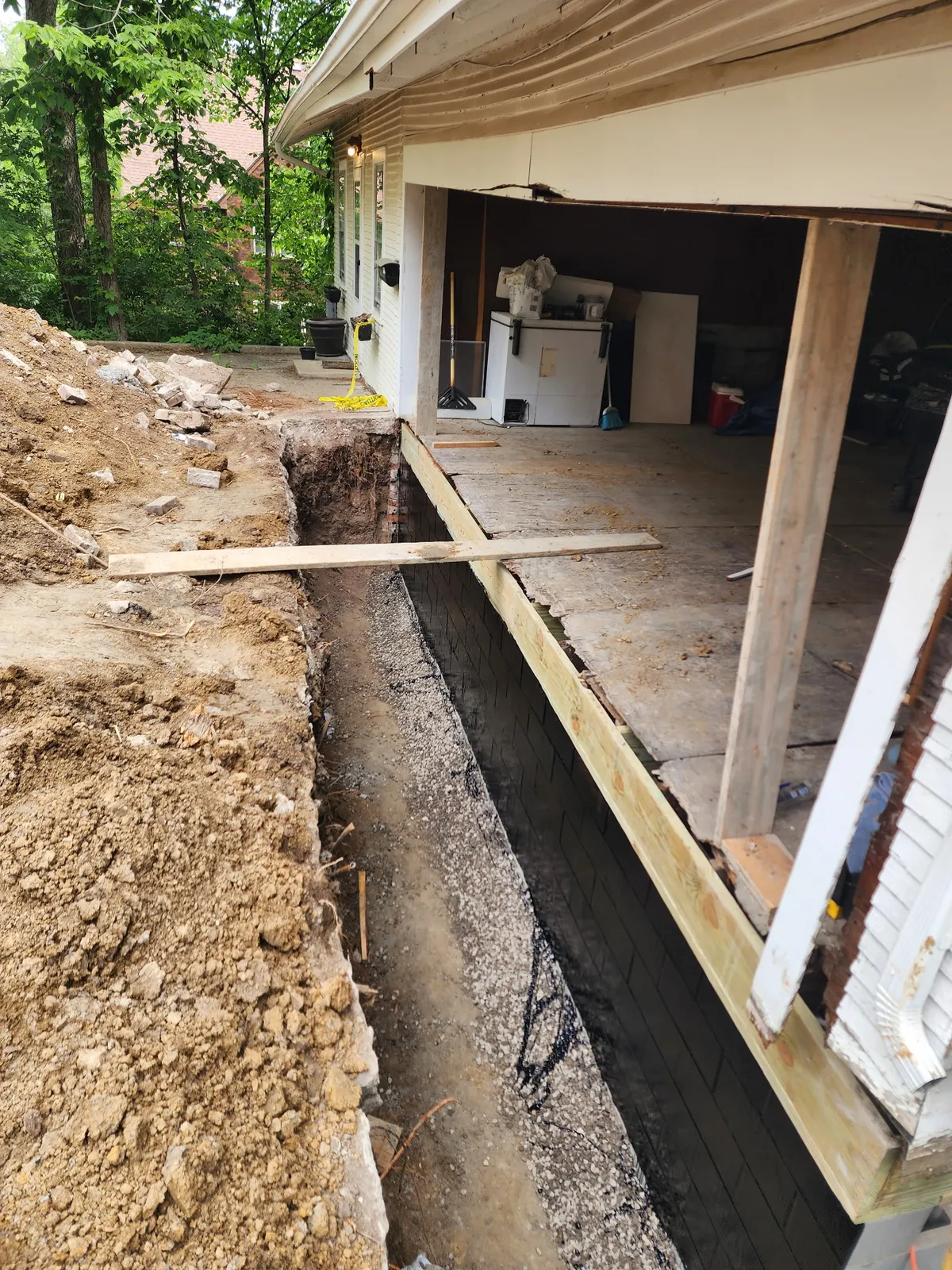
Foundation Repair in Grandview, Missouri — Local Repairs for Valley-Shoulder Homes on Jackson County Clay
Grandview earns its name honestly — it holds some of the high ground south of Kansas City, and that ground doesn't stay high. It drops off toward the Blue River valley, and the homes built along that grade sit in a transition zone where the whole hillside of Jackson County clay creeps slowly toward the valley. The result the local record describes isn't ordinary settling — it's significant lateral soil movement, ground shifting sideways rather than simply sinking.

Get a precise analysis of your foundation and waterproofing situation, and a clear estimate on what any fixes or corrections might cost.
Takes 30 seconds. We'll call within 24 hours.
We'll be in touch within 24 hours.
Why do Grandview homes on the grade down to the Blue River valley move sideways, not just settle?
Foundation repair in Grandview is shaped by one piece of geography: the city sits on high points — the View High area is exactly what it sounds like — that fall away toward the Blue River valley. Homes built on that descent aren't on flat ground and aren't on a simple uniform slope; they're on the shoulder where a plateau turns into a valley wall. On that shoulder the local record notes something more specific than settling: significant lateral soil movement. The Jackson County clay on a valley slope doesn't just compress downward, it creeps — the whole soil mass has a slow, gravity-driven pull toward the low ground, and a foundation planted in it gets loaded from the side, not just from below.
That sideways loading is why Grandview damage often reads differently than a textbook settled corner. When soil is creeping downslope against a foundation, it pushes and shears: a basement wall on the uphill side takes lateral pressure and can bow or crack horizontally, while the whole house can rack slightly out of square as the ground on the downhill side moves away and the ground on the uphill side presses in. Doors and windows go out of alignment in a twisting way rather than just sticking at one corner. It's the difference between a house that sank on one side and a house that's being slowly pushed and dragged toward a valley — and the second is what a home on Grandview's grade is often dealing with.
Where a house sits on that grade largely decides what it shows. A home up on the plateau top, on more level ground, behaves like any Wymore-Ladoga clay lot — seasonal shrink-swell, the occasional settled footing. A home on the valley shoulder, mid-slope, is where the lateral creep is strongest, and where wall shear and racking show up. A home down toward the valley floor near the Blue River deals with wetter ground and softer bearing, where footings can settle into saturated soil. The 1950s-70s block and poured foundations common in Grandview each take that loading differently — block shears along its mortar joints, poured walls crack and lean — but position on the slope is the first thing an inspection reads.
How position on the grade changes the problem:
| Where on the grade | Dominant force | What shows up | The repair |
|---|---|---|---|
| Plateau top (View High area) | Seasonal shrink-swell | Occasional diagonal crack, minor settlement | Piers where a footing has dropped; monitor |
| Valley shoulder (mid-slope) | Lateral downslope creep | Horizontal cracks, wall bow, house racking out of square | Wall anchors and bracing to resist the side load |
| Valley floor (near Blue River) | Soft, saturated bearing | Settling into wet ground, sloping floors | Push or helical piers past the soft soil to load-bearing strata |
Stabilizing a Grandview home means answering the side load, not just the drop. On the shoulder, where clay is creeping against a wall, the repair is restraint — carbon-fiber straps on an early bow, steel wall anchors set to a plate anchored in stable soil out beyond the moving zone for a wall that's moved further, and bracing where a wall needs to be held and straightened. Where a footing has actually settled — up top or down in the valley — the answer is push or helical piers driven to load-bearing strata below the active and creeping soil and torque-monitored to confirm capacity, the systems described on the foundation repair page. Because water lubricates the creep and softens the valley-floor bearing, controlling it matters, so many hillside repairs here are paired with drainage correction to slow what's feeding the movement.
On cost, a Grandview repair depends heavily on where the home sits and whether the fix is restraint, piers, or both — a mid-slope wall being pushed sideways is a different job from a valley-floor footing settling into wet ground. As a market reference, push piers commonly run about $1,250 to $2,500 each and helical roughly $1,800 to $3,000, while wall anchors and bracing are quoted by the wall and the hardware, but the slope, the extent of the movement, and the soil below only come from an on-site look, so an exact figure needs an on-site estimate. JLB works this south Jackson County terrain through Kansas City, Raytown, and Grandview along I-49 and Blue Ridge Boulevard, near the Truman Farm Home and Longview.
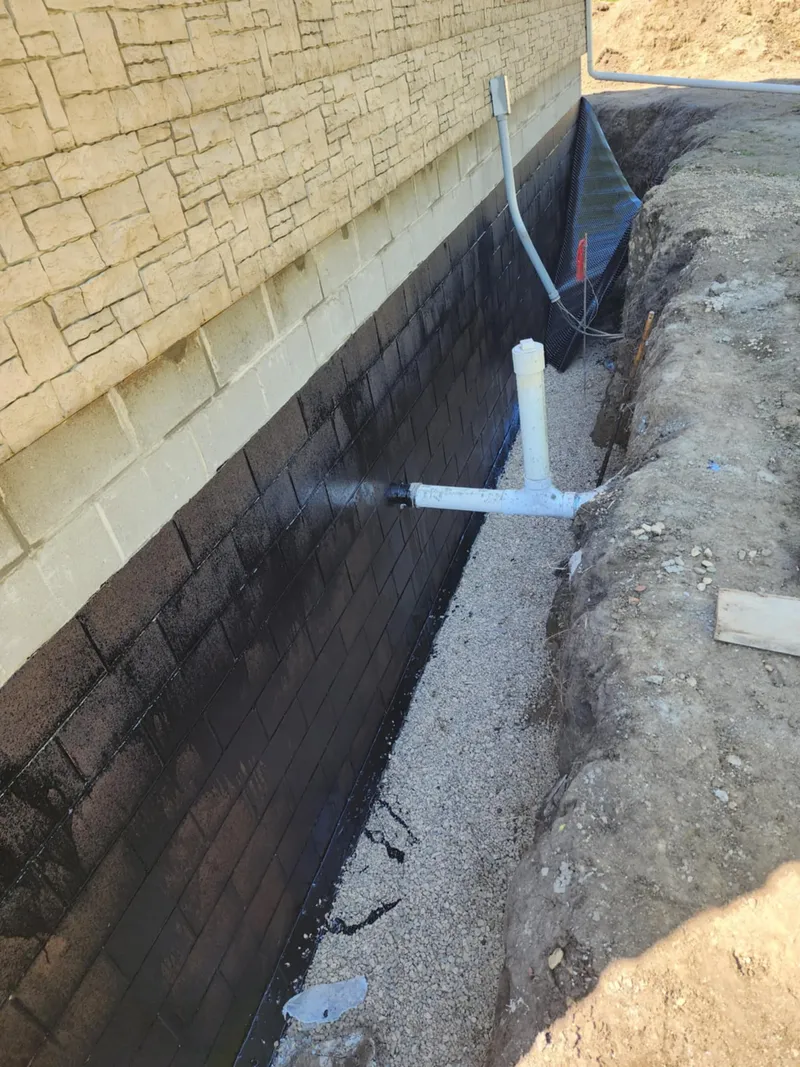
Meet the Team Serving Grandview
JLB is a local crew — not a franchise. We handle foundation repair across Grandview and the Kansas City metro. Watch to see who shows up at your door.
Watch Foundation Repair Work in Grandview
Two Ways to Pay Over Time
12 Months Same As Cash
Pay the full balance within 12 months and you pay no interest.
5 Years at 6.99% APR
A lower monthly payment, spread over 60 months.
On approved credit. Ask for full terms at your free estimate.
Foundation and water problems rarely get cheaper while they wait.
What Foundation Repair Warning Signs Appear in Grandview Homes?
The warning signs and what each one means are on our foundation repair page.
Noticed cracks in your Grandview basement walls?
The concrete block foundations common in Grandview develop predictable failure patterns — and early detection makes the difference between a straightforward repair and a major structural project. A free estimate takes about an hour and tells you exactly where you stand.
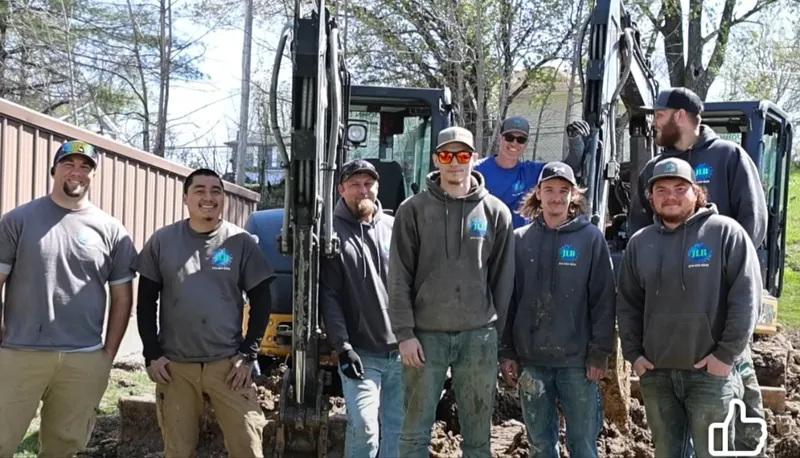
Who Handles Foundation Repair in Grandview?
Grandview is a close-knit community of about 26000, and we treat it that way. Our Kansas City area crew handles every job in Grandview personally — the same team that inspects your home is the same team that does the work. No subcontractors, no handoffs.
Call (816) 408-3651“We had cracks running up our walls and doors that wouldn't close. JLB came out, explained exactly what was happening with the soil under our house, and had the piers installed in two days. Floors are level again. Wish we hadn't waited so long.”
Real Projects. Real Results.
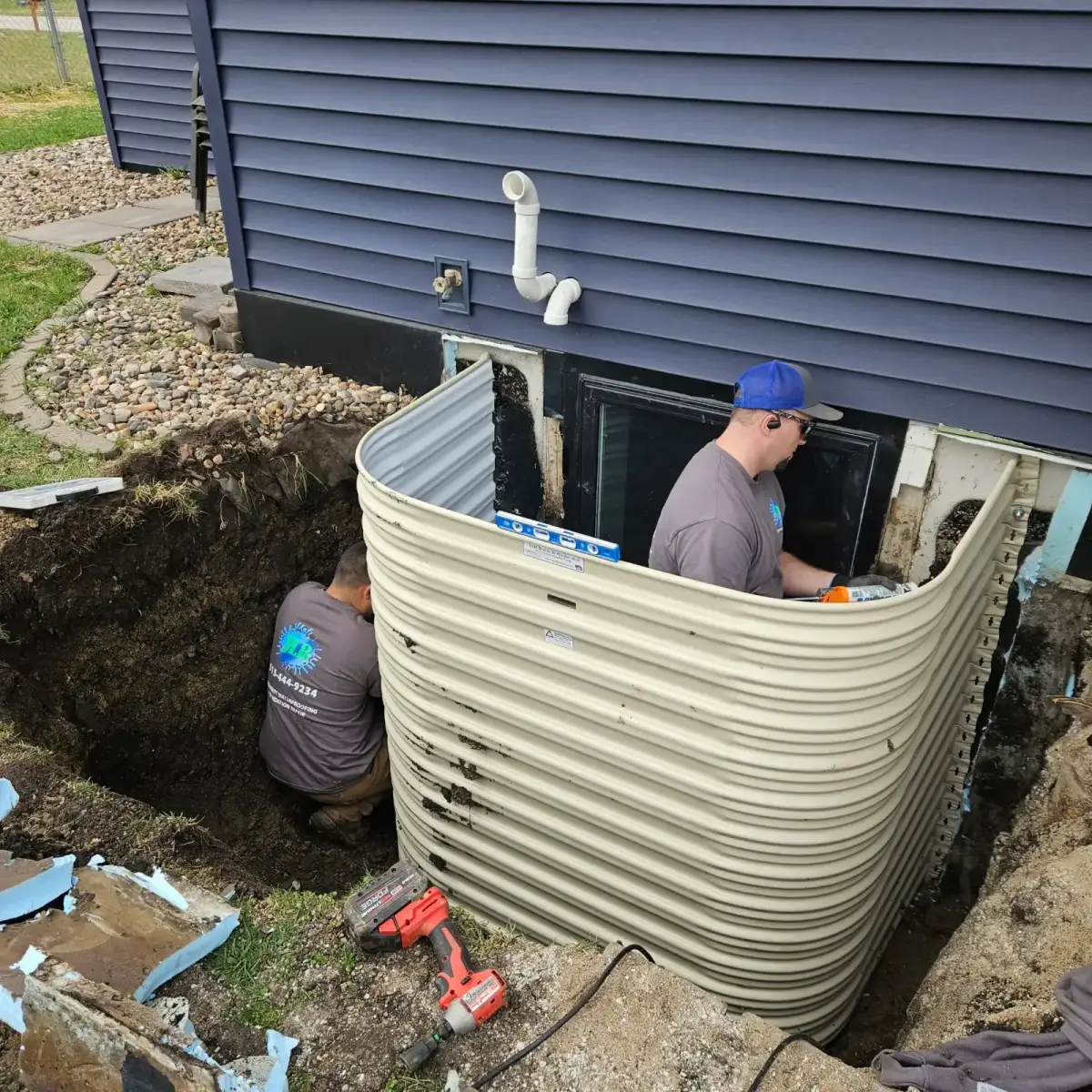
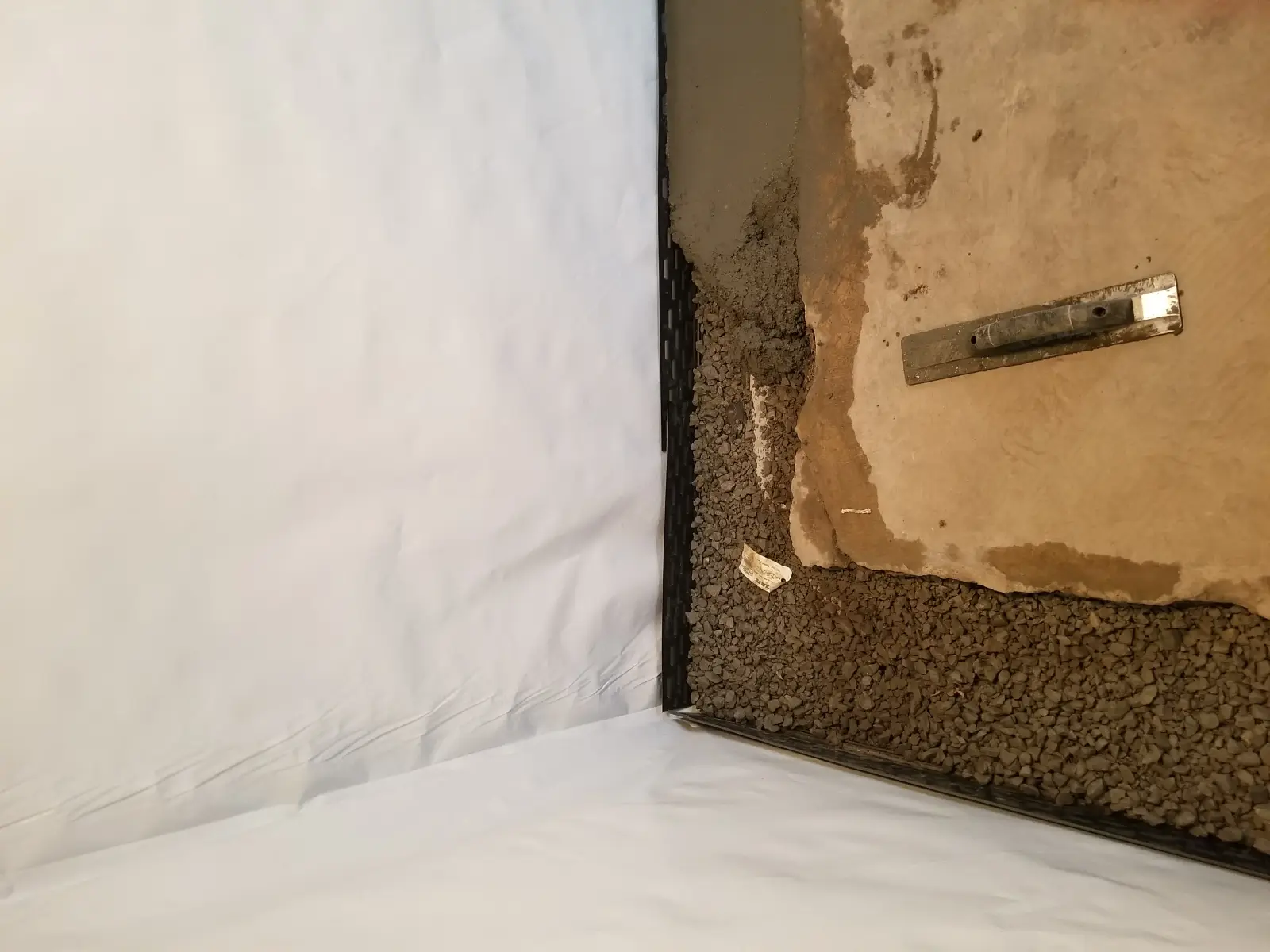
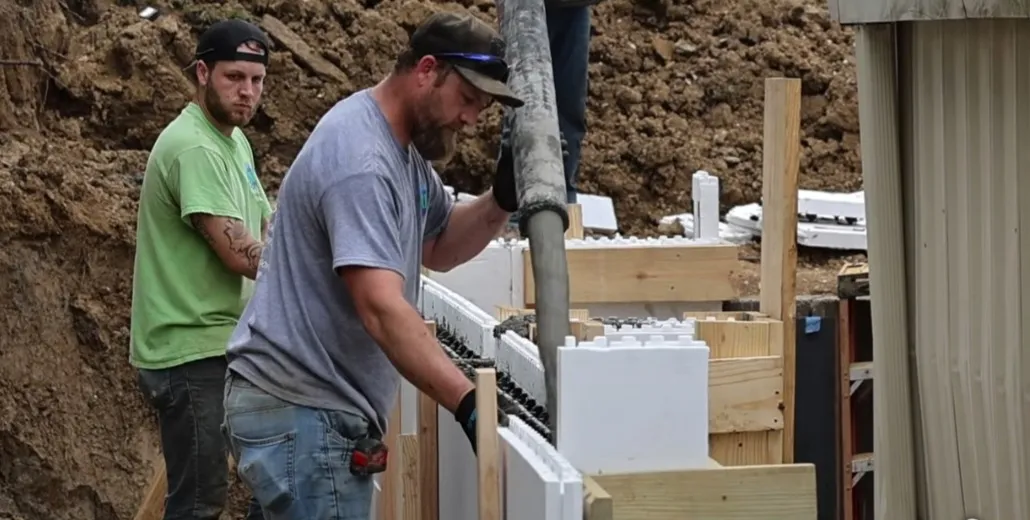
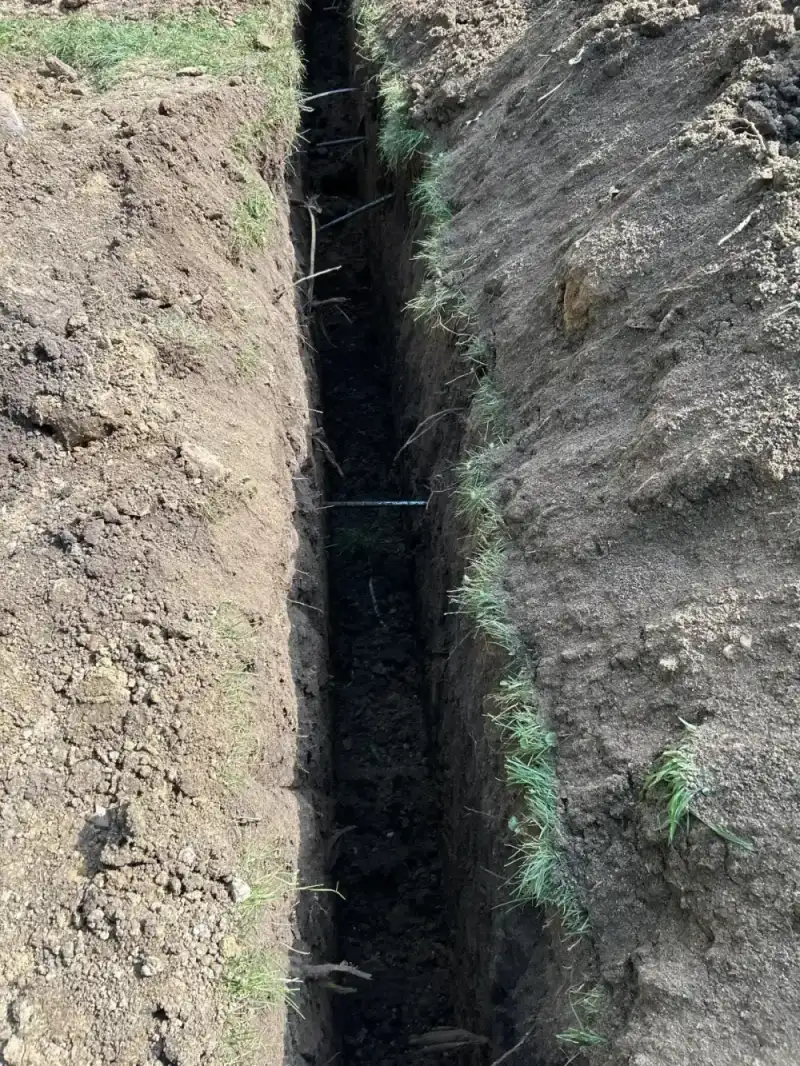
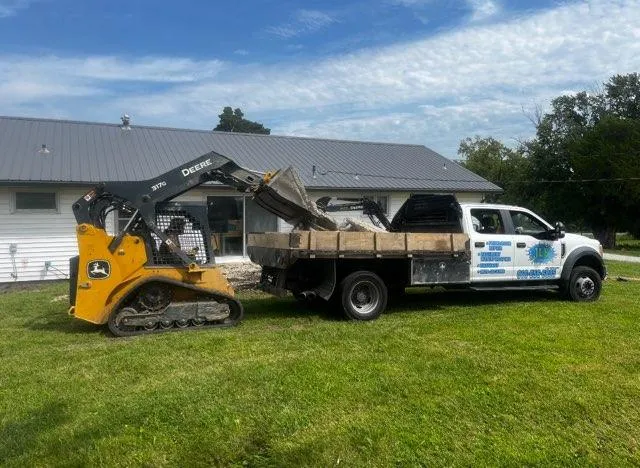
Every photo is from an actual JLB job site — not a stock photo. See the work we do every day across Kansas City and Des Moines.
What Does Foundation Repair Cost in Grandview, MO?
Concrete block foundations are the norm in Grandview, and their hollow-core design makes them especially vulnerable to Jackson County's clay pressure. Repair costs depend on how many walls are affected and whether you need piers, anchors, or both. These Kansas City metro ranges reflect what we see in Jackson County.
| Repair Type | Typical Cost Range | Notes |
|---|---|---|
| Crack repair (epoxy/polyurethane injection) | $250–$800 per crack | Non-structural hairline cracks |
| Steel push piers | $1,000–$3,000 per pier | Permanent fix for settling foundations; most homes need 6–12 piers |
| Helical piers | $1,500–$3,500 per pier | Used when soil conditions require screwing into load-bearing strata |
| Wall anchors | $500–$1,000 per anchor | Stabilizes bowing basement walls; typically 4–8 per wall |
| Carbon fiber reinforcement | $300–$600 per strip | For minor to moderate wall bowing; less invasive than anchors |
| Minor foundation repair (total project) | $1,500–$5,000 | Small cracks, minor settling |
| Major foundation repair (total project) | $5,000–$15,000+ | Multiple piers, structural wall repair, significant settling |
| Structural engineer report | $300–$800 | Sometimes required before repair, sometimes included in estimate |
These ranges reflect typical Kansas City metro pricing as of 2026. Actual costs vary based on the severity of damage, accessibility, and specific repair method. JLB provides free estimates — call (816) 408-3651 for an accurate quote.
Two Ways to Pay for It
12 Months Same As Cash
Pay the full balance within 12 months and you pay no interest.
Best if you can pay it off within a year.
5 Years at 6.99% APR
A lower monthly payment, spread over 60 months.
Best for bigger projects.
On approved credit. Ask for full terms at your free estimate.
Foundation and water problems rarely get cheaper while they wait.
Foundation Repair Questions From Grandview Homeowners
It means the ground is moving sideways, not just settling downward, and that changes what happens to your foundation. Grandview sits on high ground that drops toward the Blue River valley, and on that slope the Jackson County clay slowly creeps downhill under its own weight — the whole soil mass has a gentle, gravity-driven pull toward the low ground. A foundation set into that slope gets pushed and dragged from the side. Instead of one corner sinking, you tend to see a basement wall being shoved inward, horizontal cracks, and the house going slightly out of square, with doors and windows binding in a twisting pattern. That lateral push is a different force from ordinary settling, and it needs a different response — restraint that holds the wall against the side load rather than just support underneath it.
Because position on the grade largely decides which problem you have. A home up on the plateau top, in the View High area, is on relatively level ground and behaves like any clay lot — mostly seasonal movement and the occasional settled footing. A home on the valley shoulder, partway down the slope, is where the downhill creep is strongest, so that's where you see walls being pushed sideways, horizontal cracking, and racking. A home down near the valley floor by the Blue River is on wetter, softer ground, where the issue is more likely a footing settling into saturated soil. Three homes within a mile of each other can need three different repairs purely because of where they sit on that descent, which is why the first thing an inspection does in Grandview is read the home's position on the grade.
On a Grandview home on the slope, it often is, and the way they go out of square is a clue. When a foundation simply settles at one corner, doors and windows tend to stick on one side near that corner. When soil is creeping against the house from the side, the whole structure racks slightly — it twists out of square — so you get doors and windows binding in a more distributed, twisting pattern across the house, sometimes with gaps opening at the tops or bottoms of frames. Paired with horizontal cracks in a basement wall or a wall that looks like it's leaning in, that racking points to the lateral soil movement Grandview's grade is known for. It's worth having measured, because catching a wall while it's still being pushed — before it bows badly — keeps the repair to restraint rather than a rebuild.
It depends on whether your home is being pushed sideways or settling downward, and on Grandview's slope both are possible. If a basement wall is being shoved inward by creeping hillside soil — horizontal cracks, an inward bow, the house racking out of square — that's a lateral load, and the answer is restraint: carbon-fiber straps for an early bow, steel wall anchors set to a plate in stable soil beyond the moving zone for a wall that's gone further, and bracing to hold and straighten. If instead a footing has settled — up on the plateau or down in the wet valley floor — that's a bearing problem, and the fix is push or helical piers driven past the active soil to stable strata. Many hillside homes here show some of both, which is why the inspection reads the direction of movement before recommending either.
It helps, because water is part of what drives the movement on a slope. Wet clay creeps more easily than dry clay — moisture acts almost like a lubricant on a hillside — and down toward the valley floor, saturated ground gives a footing less to bear on. So managing water is a real part of stabilizing a Grandview home. That means grading the soil to move surface water away from the house, extending downspouts so roof water doesn't pour onto the slope right beside the foundation, and adding drainage where water is collecting against a wall or soaking the ground uphill of it. Drainage alone won't stop a hillside that's already moving — that still needs the structural repair, whether restraint or piers — but slowing the water slows what's feeding the creep, which is why the two are often done together here.
It depends a lot on where the home sits on the grade and whether it needs restraint, piers, or both. A mid-slope wall being pushed sideways is corrected with anchors and bracing quoted by the wall and the hardware; a valley-floor footing settling into wet ground is corrected with piers, and a plateau-top settled corner might need only a few. As a market reference, push piers commonly run somewhere around $1,250 to $2,500 each and helical piers roughly $1,800 to $3,000, but the slope, how far the movement has gone, and what the soil below offers all shape the real number. That's why an exact figure needs an on-site estimate. JLB's is a free 45-minute analysis with a written report you keep, including an honest read on whether the movement is active now or stable enough to monitor.
Not Sure What You're Dealing With?
Click any symptom below to learn what it means, what's likely causing it, and how we can help. Most of these are more common — and more fixable — than you'd think.
Diagonal, stair-step, or horizontal cracks in drywall, plaster, or brick usually trace back to soil movement beneath your foundation. The heavy clay soils in the Kansas City and Des Moines metros expand and contract seasonally, which can shift your foundation over time. The good news: this is very fixable with the right approach.
Water entering through floor joints, wall cracks, or seeping through porous concrete means groundwater pressure is pushing moisture into your basement. An interior drainage system and sump pump can solve this permanently — and we can usually have it done in a day or two.
When a foundation settles unevenly, it can shift your home's frame just enough to make doors and windows bind. This is one of the earlier signs of foundation movement — and catching it early often means a simpler, less expensive repair.
That musty smell is moisture. Up to 40% of the air in your home rises from below — from your crawlspace and basement. If there's excess humidity down there, it affects your whole home. Encapsulation seals it out, and you'll notice the difference in your air quality right away.
Floors that slope toward the center or an exterior wall usually mean the support structure underneath needs attention. Push piers can stabilize your foundation and often lift it back to level — giving your floors a second life.
When soil washes out or compacts beneath a concrete slab, the slab drops and becomes uneven. Polyjacking uses expanding polyurethane foam to fill the void and lift the concrete back to grade — usually in under a day, with no heavy equipment needed.
Water collecting near your foundation means your grading or drainage isn't directing water away effectively. French drains, regrading, extended downspouts, and drain pipes can redirect water away from the house — protecting your foundation for the long haul.
A basement wall that has bowed more than 2 inches inward, shifted off its footing, or shows multiple structural cracks may have moved beyond what bracing can fix. When carbon fiber straps, I-beams, or wall anchors are not enough, the wall needs to be removed and rebuilt with reinforced concrete. This is the last resort — but it is the permanent fix when the wall itself is compromised.
Get Your Free Foundation Estimate in Grandview
Grandview's concrete block foundations need specialized assessment. Fill out the form and our crew will evaluate your walls, footings, and soil conditions — all at no cost. Or call us now at(816) 408-3651.
Where Else Does JLB Provide Foundation Repair Near Grandview?
Our Locations
We're always close enough to help — our crews are local to your area.
JLB Foundation Repair & Basement Waterproofing — Kansas City
111 NE 72nd St, Ste 111Kansas City, MO, 64119(816) 408-3651 View on Google Maps
Stop the Damage. Get Answers Today.
A free estimate takes 45 minutes and tells you exactly what's going on under your house — and exactly what it takes to fix it.