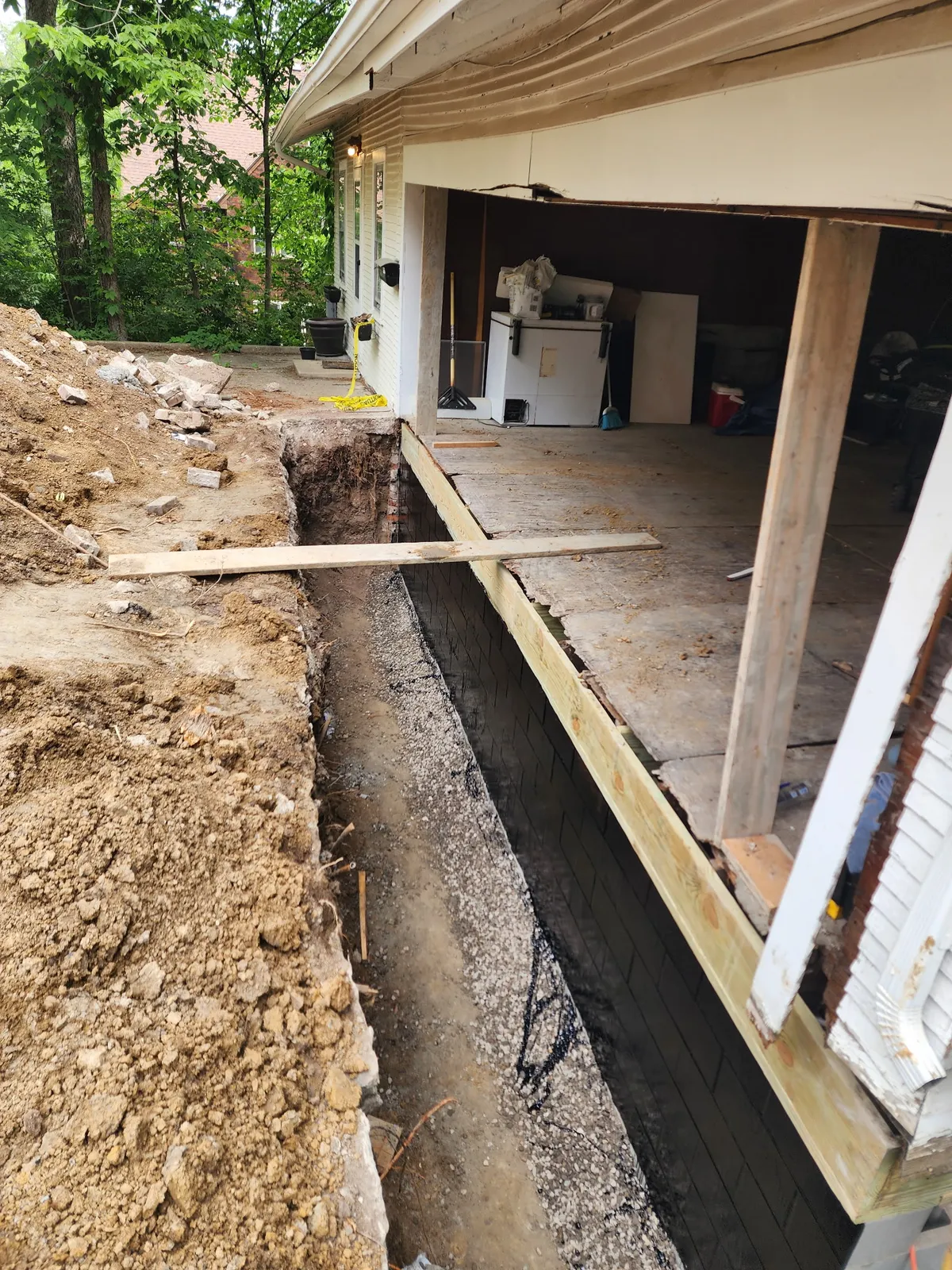
Foundation Repair in Waukee, Iowa — Stop New-Construction Settlement at Its Source
Waukee grew faster than almost anywhere in Iowa, and its western-prairie subdivisions were built on ground that was mass-graded to get there — hillsides cut down, low spots raised with engineered fill. That fill and the deep clay under it keep consolidating under the weight of a new house, which is why a Waukee home can be barely a decade old and already settling on one side. The fix reaches past the fill to strata that won't move.

Get a precise analysis of your foundation and waterproofing situation, and a clear estimate on what any fixes or corrections might cost.
Takes 30 seconds. We'll call within 24 hours.
We'll be in touch within 24 hours.
Why is my nearly-new Waukee home already showing settlement cracks?
Foundation repair in Waukee has a very modern cause. Over the last fifteen years Waukee has been one of the fastest-growing cities in Iowa, and building that fast on the metro's western upland prairie meant reshaping the land to match: whole gentle hillsides in Dallas County were mass-graded for the large subdivisions off Alice's Road and Hickman Road — high spots cut down, low spots built up with engineered fill — so that flat, buildable lots could be handed to crews in a hurry. That reworked ground, sitting over the area's deep, moisture-sensitive clay, is the reason a house here can be barely a decade old and already showing settlement.
The mechanism is consolidation, not soil swelling. When a hillside is cut and fill is placed to raise a lot, that fill — and the deep clay layers beneath it — carries a load it never carried before once a full poured-concrete basement and the house above it are set on top. Fill compacted by a machine in a few passes is never as settled as ground that has sat undisturbed for ten thousand years, and moisture-sensitive clay compresses further as its water content changes season to season. Over the first several years the ground slowly consolidates under the weight, and because it does so unevenly — deeper fill in the old low spots, shallower over the old high ground — the house settles more on one side than the other. That differential is what cracks a foundation: diagonal cracks running from window and door corners, a poured wall pulling away at a corner, a floor gone out of level, an attached garage slab separating from the house.
This is a different story from the clay that troubles homes elsewhere in central Iowa. In many nearby cities the driver is expansive clay swelling when it gets wet and shoving basement walls inward. In Waukee the walls are almost all newer poured concrete and hold up well to that lateral pressure; the problem is vertical, and it comes from the ground underneath consolidating, not the soil at the wall pushing. That is why the fix here leads with piers rather than wall bracing — you have to reach past the fill and the compressible clay to something that will not keep moving.
How new-construction settlement shows up in Waukee, and how it's stabilized:
| Where the home sits | What the ground is doing | What you see | The repair |
|---|---|---|---|
| Built on deep engineered fill (an old low spot) | Fill and clay consolidating under the new load | One side settling, diagonal cracks, out-of-level floors | Push or helical piers through the fill to load-bearing strata, torque-monitored |
| Straddling cut and fill | Firm cut ground on one end, compressible fill on the other | Cracks concentrated where the two meet | Piers on the fill side to match the settlement, monitoring on the cut side |
| Attached garage or porch slab | A lighter slab on less-prepared fill | The slab tipping or separating from the house | Piers, or a foam lift for the flatwork once the structure is stable |
The repair itself is straightforward once the cause is understood. Push or helical piers are driven down through the engineered fill and the compressible clay to load-bearing strata that will not consolidate further, and each pier is torque-monitored during installation so its capacity is confirmed before the home's weight is transferred onto it — the ICC-ES-evaluated systems described in full on the foundation repair page. Because the settlement is usually concentrated on the fill side, the piering is often limited to the affected section rather than the whole perimeter. Keeping water away from the backfill matters too, since saturated fill consolidates faster — but that grading and drainage work is the subject of our Waukee waterproofing page; here the structural fix is the piers. If you're weighing your options, the Waukee service overview links the rest.
On price, a settled new home in Waukee is often a mid-sized job because the movement is concentrated where the deep fill is, not spread across every wall — so the number tracks how many piers are needed and how far they must reach to firm strata. As a market reference, push piers commonly land somewhere around $1,250 to $2,500 each and helical piers roughly $1,800 to $3,000, but the pier count and depth only come from an on-site look at your soil and your settlement. JLB Basement Waterproofing & Foundation Repair serves Waukee and its neighbors — West Des Moines, Clive, Grimes, and Adel — around US-6, Alice's Road, and Hickman Road near Triumph Park and the Raccoon River Valley Trail.
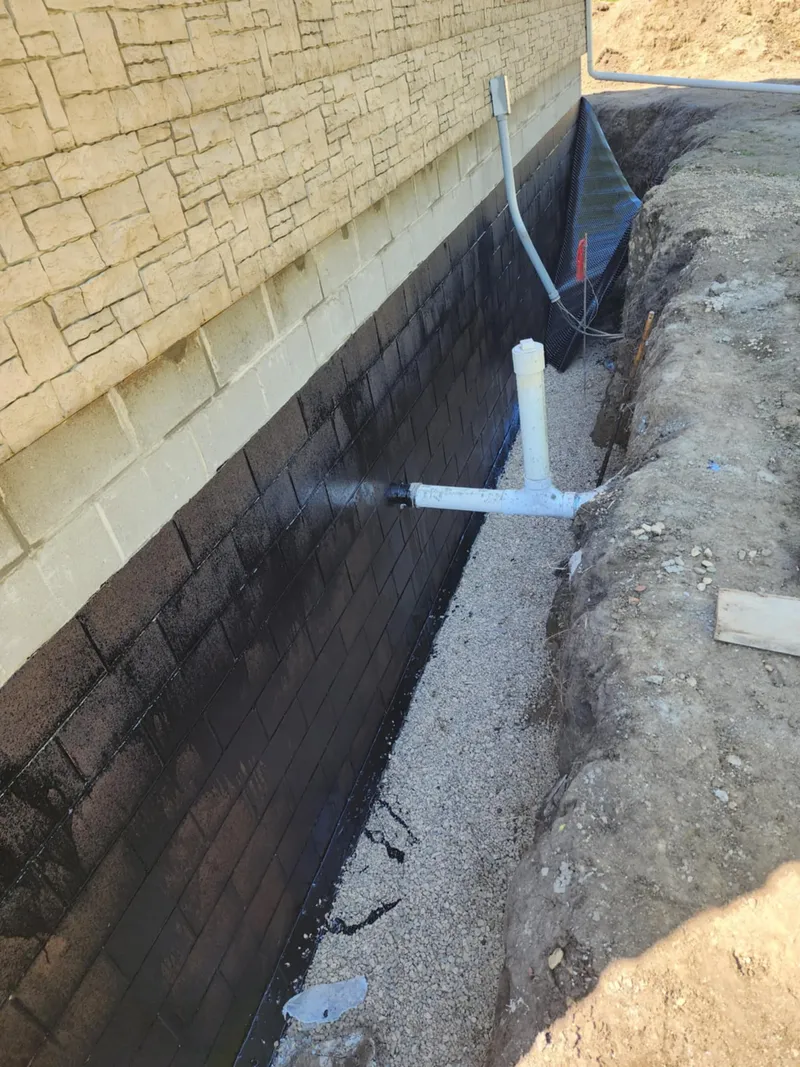
Meet the Team Serving Waukee
JLB is a local crew — not a franchise. We handle foundation repair across Waukee and the Des Moines metro. Watch to see who shows up at your door.
Watch Foundation Repair Work in Waukee
Two Ways to Pay Over Time
12 Months Same As Cash
Pay the full balance within 12 months and you pay no interest.
5 Years at 6.99% APR
A lower monthly payment, spread over 60 months.
On approved credit. Ask for full terms at your free estimate.
Foundation and water problems rarely get cheaper while they wait.
What Foundation Repair Warning Signs Appear in Waukee Homes?
The warning signs and what each one means are on our foundation repair page.
Is your Waukee home showing signs of foundation trouble?
The clay soil under your home doesn't rest — it swells when wet, shrinks when dry, and pushes against your walls year after year. A free estimate tells you exactly what's happening beneath your Waukee home and what it takes to fix it.
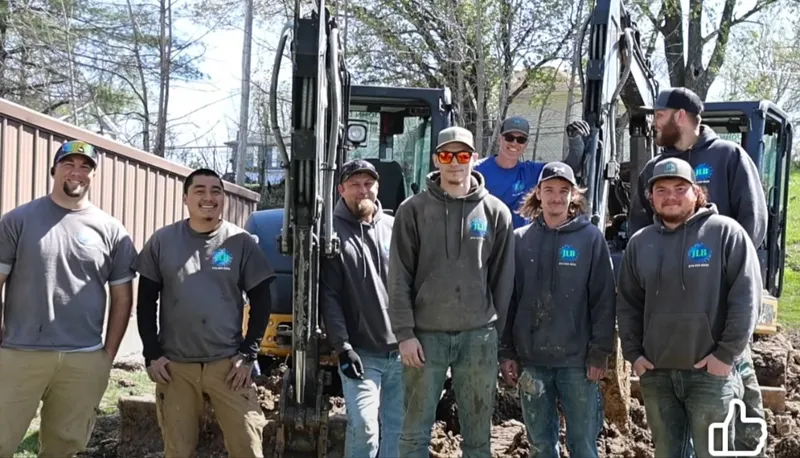
Who Handles Foundation Repair in Waukee?
Waukee is a close-knit community of about 39000, and we treat it that way. Our Des Moines area crew handles every job in Waukee personally — the same team that inspects your home is the same team that does the work. No subcontractors, no handoffs.
Call (515) 717-8560“We noticed the cracks getting worse every spring after the thaw. JLB came out, explained the soil issues specific to our area, and had piers installed in two days. No more movement since.”
Real Projects. Real Results.
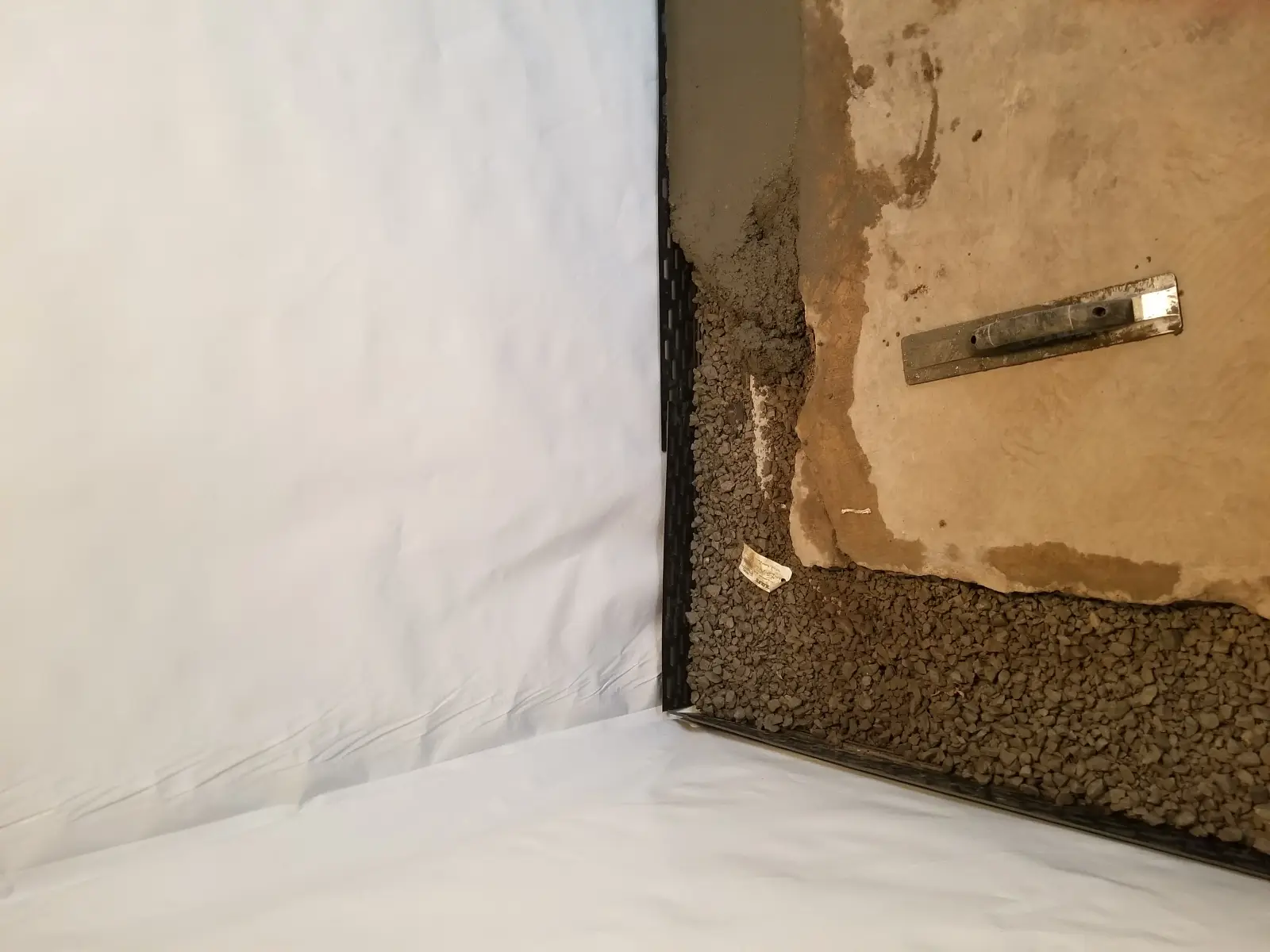
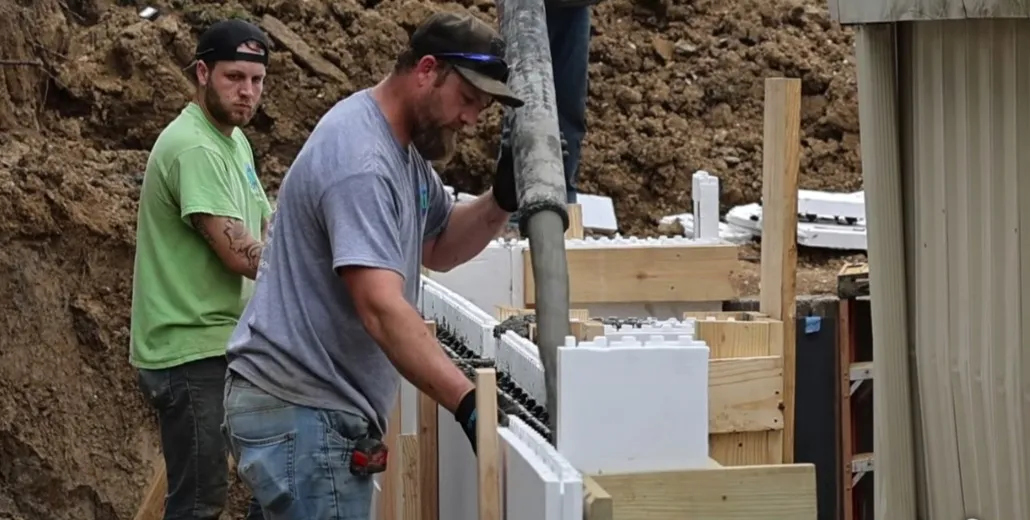
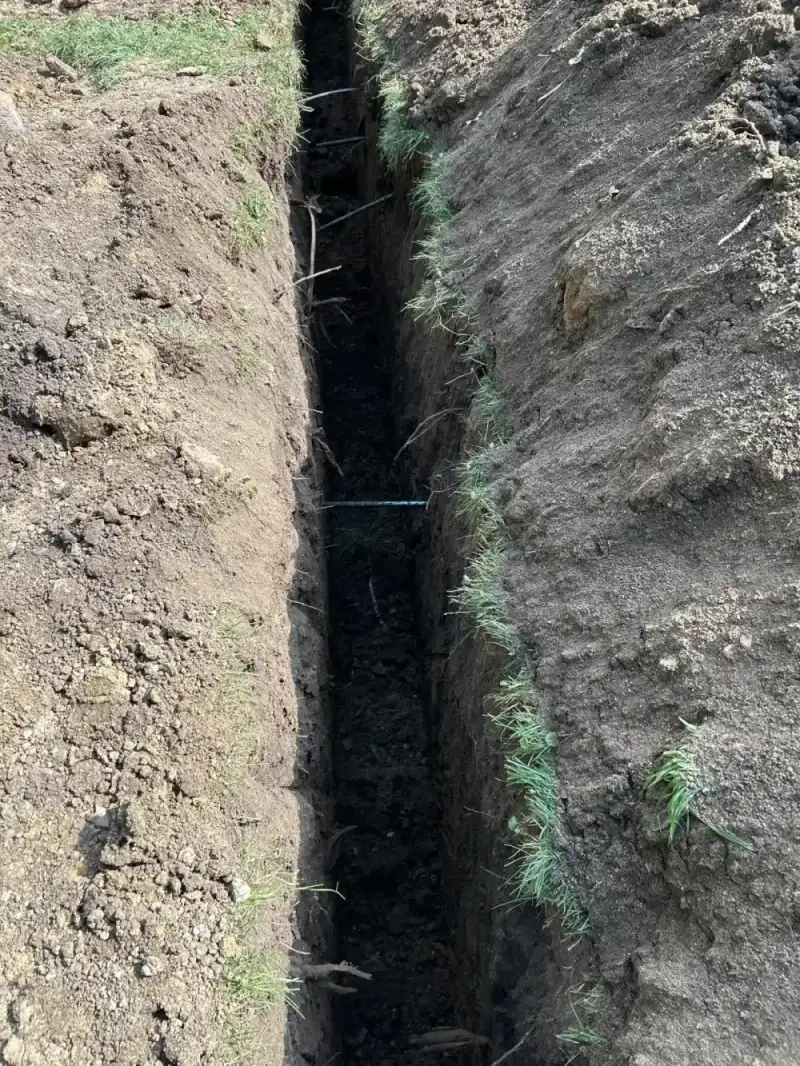
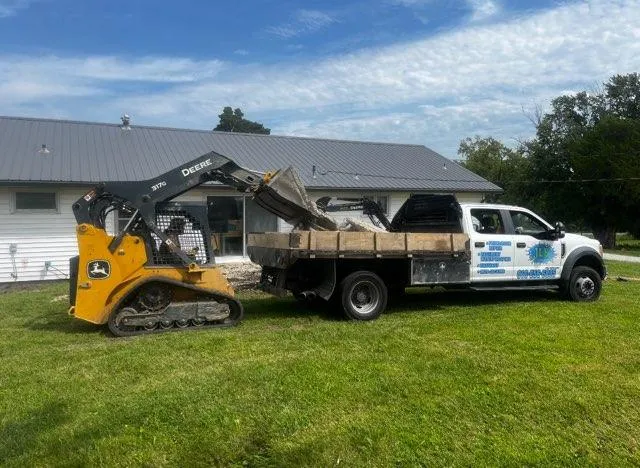
Every photo is from an actual JLB job site — not a stock photo. See the work we do every day across Kansas City and Des Moines.
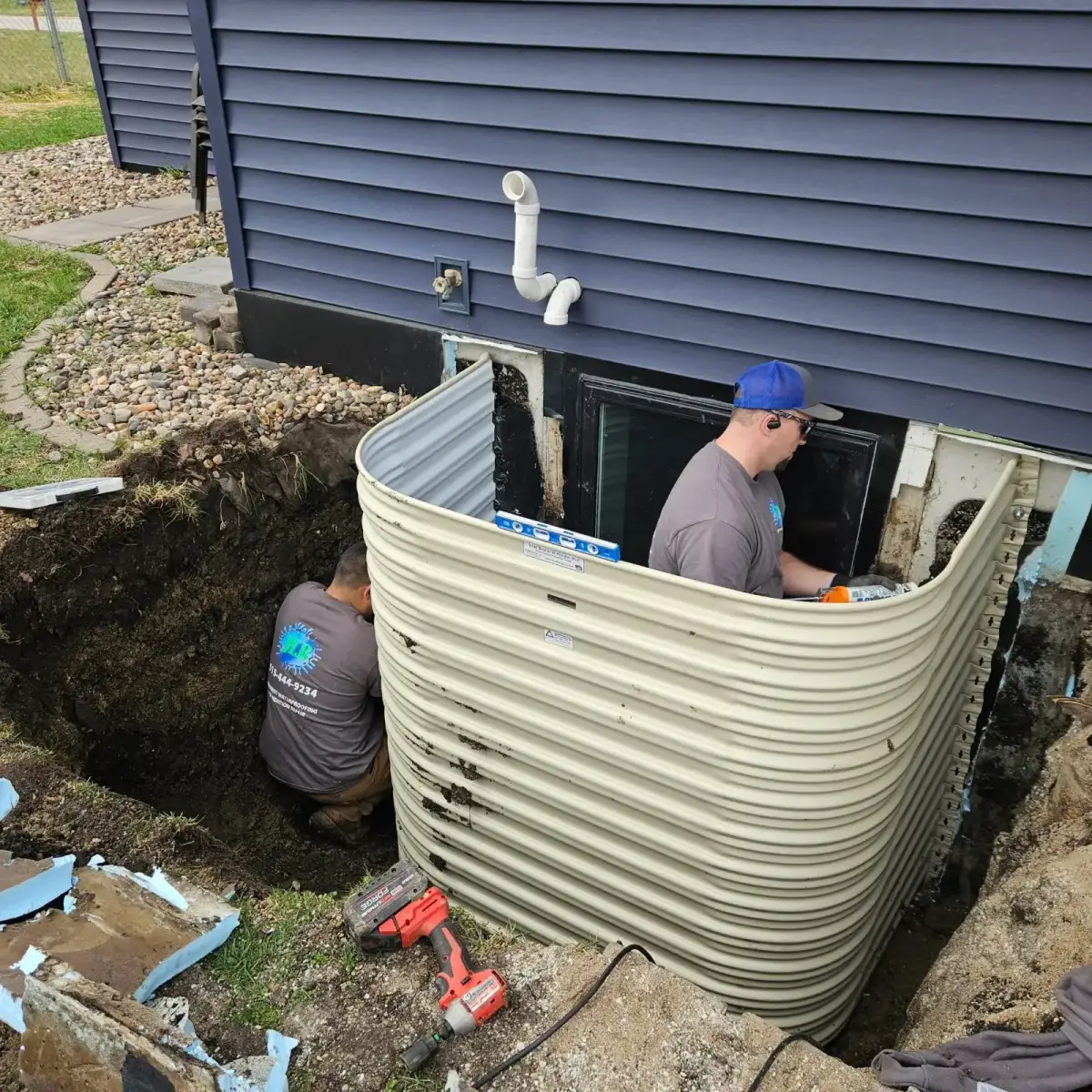
What Does Foundation Repair Cost in Waukee, IA?
Foundation repair pricing in Waukee reflects local conditions: Dallas County's clay soil, poured concrete construction, and the specific damage pattern in your home. Most projects fall in these ranges, though every home is different. JLB's free estimate gives you exact numbers.
| Repair Type | Typical Cost Range | Notes |
|---|---|---|
| Crack repair (epoxy/polyurethane injection) | $200–$700 per crack | Non-structural hairline cracks |
| Steel push piers | $900–$2,700 per pier | Permanent fix for settling foundations; most homes need 6–12 piers |
| Helical piers | $1,300–$3,100 per pier | Used when soil conditions require screwing into load-bearing strata |
| Wall anchors | $450–$900 per anchor | Stabilizes bowing basement walls; typically 4–8 per wall |
| Carbon fiber reinforcement | $250–$500 per strip | For minor to moderate wall bowing; less invasive than anchors |
| Minor foundation repair (total project) | $1,300–$4,500 | Small cracks, minor settling |
| Major foundation repair (total project) | $4,500–$13,000+ | Multiple piers, structural wall repair, significant settling |
| Structural engineer report | $250–$700 | Sometimes required before repair, sometimes included in estimate |
Des Moines metro pricing is typically 10–15% lower than Kansas City due to lower labor rates. Glacial till soil conditions may reduce the number of piers needed compared to KC's expansive clay. JLB provides free estimates — call (515) 717-8560 for an accurate quote.
Two Ways to Pay for It
12 Months Same As Cash
Pay the full balance within 12 months and you pay no interest.
Best if you can pay it off within a year.
5 Years at 6.99% APR
A lower monthly payment, spread over 60 months.
Best for bigger projects.
On approved credit. Ask for full terms at your free estimate.
Foundation and water problems rarely get cheaper while they wait.
Foundation Repair Questions From Waukee Homeowners
New construction is exactly when this shows up in Waukee. Much of the city was built fast on mass-graded prairie, where hillsides were cut and low spots raised with engineered fill. That fill, and the deep clay under it, keeps consolidating under the weight of a new house for several years — and because it's deeper on one side than the other, the home settles unevenly and cracks. A foundation that was fine at closing can begin moving within its first decade; it's the prepared ground settling, not a defect in the house itself.
They're two different mechanisms. In many central-Iowa cities the trouble is expansive clay swelling when wet and pushing basement walls inward — a lateral problem. Waukee's newer poured-concrete walls resist that pressure well; here the problem is vertical. The engineered fill and clay under the footings compress and the house drops, usually more on one side. That's why Waukee repairs lead with piers that reach firm ground below the fill, rather than the anchors and straps used to straighten a bowing wall.
Because the fill under it isn't uniform. When a lot is mass-graded, the old low spots get the deepest fill and the old high ground gets little or none, so one part of the footprint sits on far more compressible material than the rest. That side consolidates and drops while the firmer side stays put, which racks the house and opens diagonal cracks. The good news is that localized settlement usually means a localized repair — piers under the affected section rather than the entire foundation.
Yes. Push and helical piers are installed from the outside, at the footing, one at a time — the ground beside the affected area is opened, the pier is driven down through the fill to load-bearing strata, and it's torque-monitored so we know it's carrying its share before the weight is transferred. The finished basement inside is generally untouched. For a newer Waukee home where the movement is concentrated on the fill side, it's often a handful of piers rather than a full-perimeter job.
Consolidation does eventually slow, but waiting is a gamble in Waukee. Every season the fill stays wet it compresses a little more, and cracks that start as hairlines widen, doors stop latching, and floors tip further out of level — each stage costs more to correct and can start letting water in. Catching it while the movement is still small usually means fewer piers and a simpler repair. A free written analysis tells you whether it's still moving and whether it needs piers now or only monitoring.
Because the settlement is usually concentrated where the deep fill is rather than spread across every wall, a Waukee repair is often a mid-sized job scaled to how many piers are needed and how far they must reach to firm strata. As a market reference, push piers commonly run somewhere around $1,250 to $2,500 each and helical piers roughly $1,800 to $3,000, with any wall work quoted separately. The real figure comes from measuring the settlement on site — JLB's assessment is a free 45-minute visit with a written report you keep.
Not Sure What You're Dealing With?
Click any symptom below to learn what it means, what's likely causing it, and how we can help. Most of these are more common — and more fixable — than you'd think.
Diagonal, stair-step, or horizontal cracks in drywall, plaster, or brick usually trace back to soil movement beneath your foundation. The heavy clay soils in the Kansas City and Des Moines metros expand and contract seasonally, which can shift your foundation over time. The good news: this is very fixable with the right approach.
Water entering through floor joints, wall cracks, or seeping through porous concrete means groundwater pressure is pushing moisture into your basement. An interior drainage system and sump pump can solve this permanently — and we can usually have it done in a day or two.
When a foundation settles unevenly, it can shift your home's frame just enough to make doors and windows bind. This is one of the earlier signs of foundation movement — and catching it early often means a simpler, less expensive repair.
That musty smell is moisture. Up to 40% of the air in your home rises from below — from your crawlspace and basement. If there's excess humidity down there, it affects your whole home. Encapsulation seals it out, and you'll notice the difference in your air quality right away.
Floors that slope toward the center or an exterior wall usually mean the support structure underneath needs attention. Push piers can stabilize your foundation and often lift it back to level — giving your floors a second life.
Water collecting near your foundation means your grading or drainage isn't directing water away effectively. French drains, regrading, extended downspouts, and drain pipes can redirect water away from the house — protecting your foundation for the long haul.
A basement wall that has bowed more than 2 inches inward, shifted off its footing, or shows multiple structural cracks may have moved beyond what bracing can fix. When carbon fiber straps, I-beams, or wall anchors are not enough, the wall needs to be removed and rebuilt with reinforced concrete. This is the last resort — but it is the permanent fix when the wall itself is compromised.
Schedule Your Free Foundation Estimate in Waukee
We'll check your foundation for cracks, settlement, and structural movement — then give you an honest assessment and clear pricing. No pressure, no scare tactics. Fill out the form or call us at(515) 717-8560.
Where Else Does JLB Provide Foundation Repair Near Waukee?
Our Locations
We're always close enough to help — our crews are local to your area.
JLB Basement Waterproofing & Foundation Repair — Van Meter
325 Grand StVan Meter, IA, 50261(515) 642-3406 View on Google Maps
JLB Basement Waterproofing & Foundation Repair — Des Moines
97 Indiana Ave Suite #1Des Moines, IA, 50314(515) 717-8560 View on Google Maps
Stop the Damage. Get Answers Today.
A free estimate takes 45 minutes and tells you exactly what's going on under your house — and exactly what it takes to fix it.