
Basement Waterproofing Solutions for Waukee, IA Homes
Most of Waukee went up fast on what was recently Dallas County farmland, and the grading that turned crop fields into subdivisions changed where the water goes. The natural swales that once carried runoff toward Sugar Creek and the Raccoon River were flattened and filled, so rain and snowmelt now collect in the engineered low spots of the neighborhood — often right against a new poured basement wall.
Get a precise analysis of your foundation and waterproofing situation, and a clear estimate on what any fixes or corrections might cost.
Takes 30 seconds. We'll call within 24 hours.
We'll be in touch within 24 hours.
Why does water collect against Waukee's newest foundations when the old farm fields it was built on used to drain fine?
When a farm field becomes a subdivision, the water has to find a new path
Waukee is one of the fastest-growing cities on the western edge of the metro, and most of its homes — in Kettlestone and the newer subdivisions off Hickman and University — sit on ground that was Dallas County cropland only a short time ago. Turning a farm field into streets and lots means mass-grading it flat: the gentle natural swales that used to carry rain and snowmelt off toward Sugar Creek and the Raccoon River valley get cut, filled, and re-shaped. The water that land shed for a century now has to follow a new, man-made path — and that path often runs through the lowest lots of the subdivision.
Where the graded-flat lot sends the water
The soil under all of it is Des Moines Lobe glacial till — dense, clay-rich, and slow to drain. On a flattened subdivision grade, that till doesn't let water percolate down and away; instead the water spreads sideways just below the surface until it reaches the loose backfill ring around a foundation, then drops straight to the footing. Because these are young poured-concrete basements, the first place it shows up is the cove joint, the seam where the floor slab meets the wall, where hydrostatic pressure pushes it through. In a metro with deep frost and a real spring snowmelt, the worst of it lands in a few weeks each spring, when frozen ground can't absorb the melt and the newly-saturated till holds the water against the wall. A home that felt bone-dry its first two winters can take water the season the grading finally settles.
Stopping it at the foundation
JLB treats a Waukee basement as a drainage problem, not a concrete problem. We install interior drain tile along the footing to intercept the water the flattened grade funnels down, route it to a sealed sump basin, and add a pump with battery backup — essential here, since the storms that saturate the till are the ones that knock out power. Outside, we regrade and extend downspouts to rebuild the drainage path the subdivision grading erased, keeping roof and surface water moving toward the street instead of ponding at the wall. Every plan starts with a free on-site inspection, because on a lot this young the grade, the backfill, and the neighbor's downspouts decide exactly where the water is getting in.

Meet the Team Serving Waukee
JLB is a local crew — not a franchise. We handle basement waterproofing across Waukee and the Des Moines metro. Watch to see who shows up at your door.
Watch Basement Waterproofing Work in Waukee
Two Ways to Pay Over Time
12 Months Same As Cash
Pay the full balance within 12 months and you pay no interest.
5 Years at 6.99% APR
A lower monthly payment, spread over 60 months.
On approved credit. Ask for full terms at your free estimate.
Foundation and water problems rarely get cheaper while they wait.
What Basement Water Warning Signs Appear in Waukee Homes?
The warning signs and what each one means are on our basement waterproofing page.
Water finding its way into your Waukee basement?
Dallas County's clay soil holds water against foundation walls like a sponge. Once hydrostatic pressure exceeds what your walls can handle, the water comes in. Our free estimate identifies exactly where and why — and we'll show you the most cost-effective way to stop it permanently.

Who Handles Basement Waterproofing in Waukee and Dallas County?
Waukee is a close-knit community of about 39000, and we treat it that way. Our Des Moines area crew handles every job in Waukee personally — the same team that inspects your home is the same team that does the work. No subcontractors, no handoffs.
Call (515) 717-8560“Every spring when the snow melted, our basement would flood. JLB installed a full interior drainage and sump system. We've been through two Iowa springs since — completely dry. It's like a different house.”
Real Projects. Real Results.
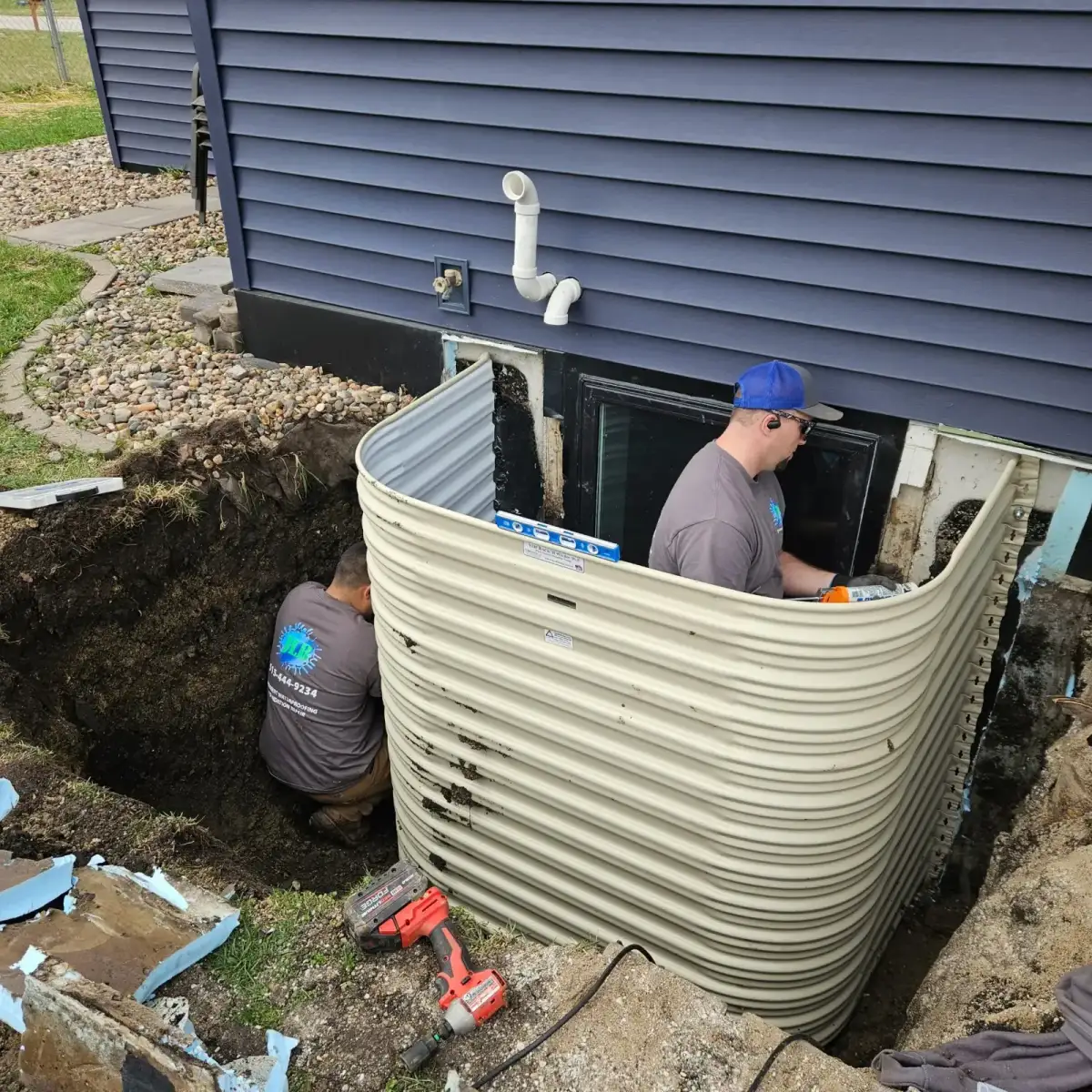
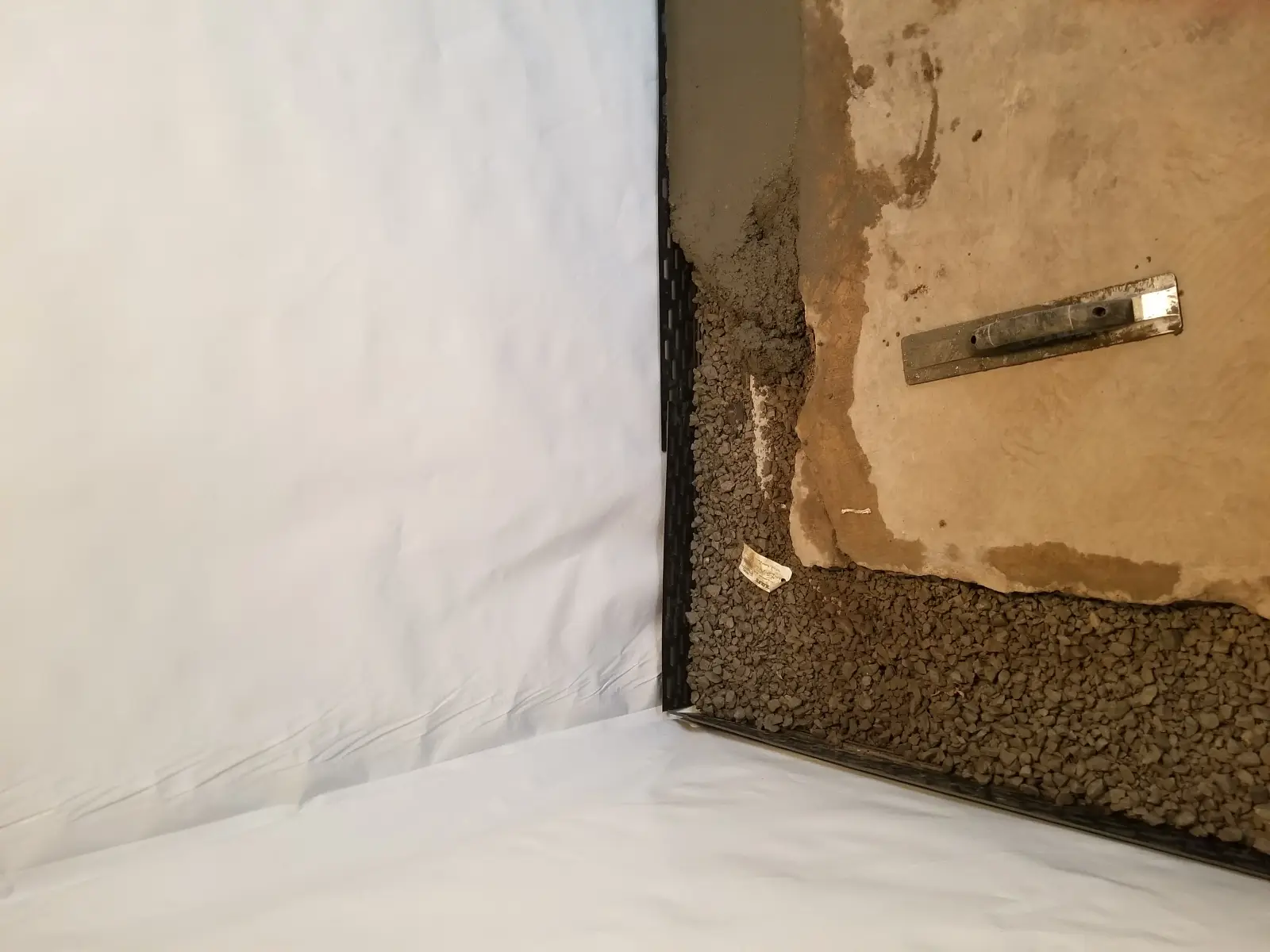
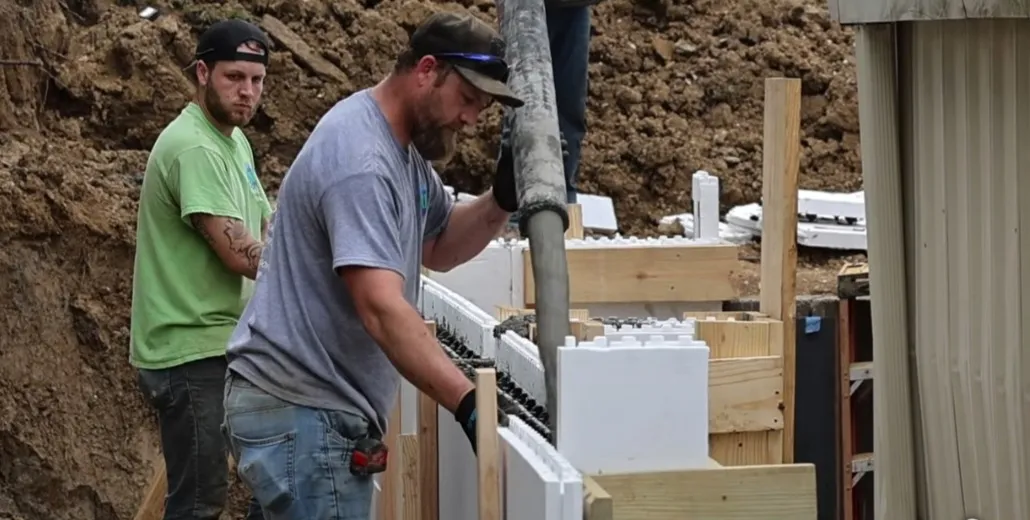
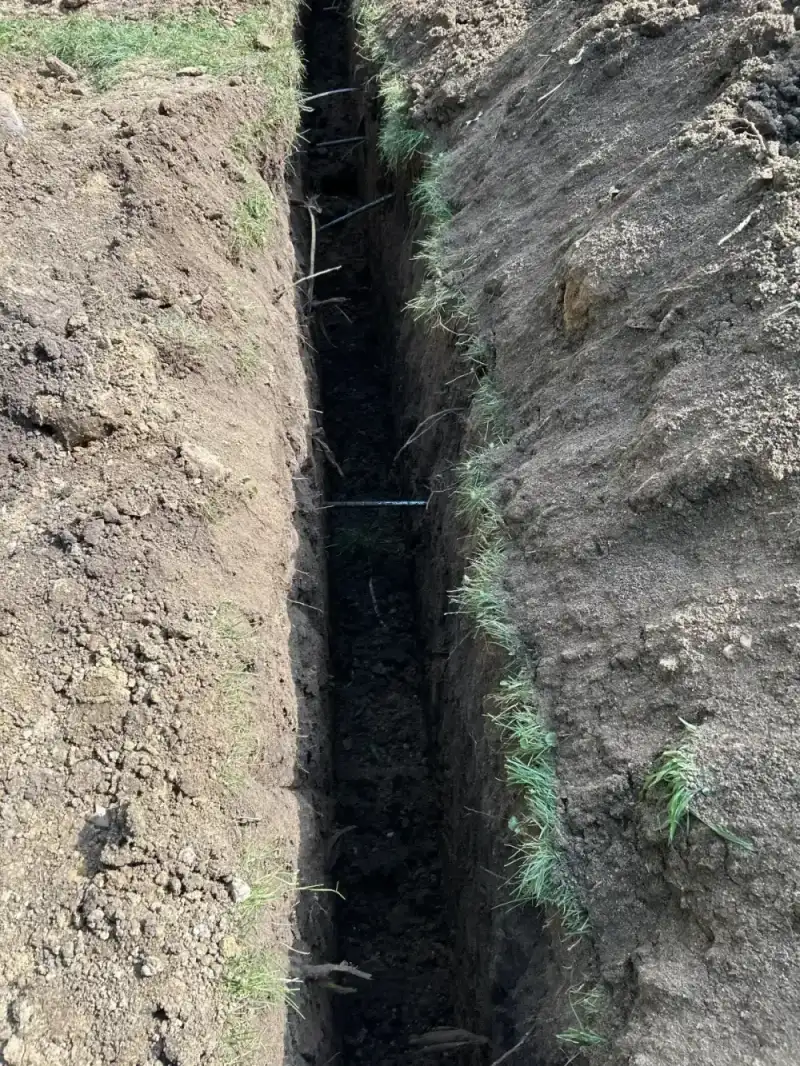
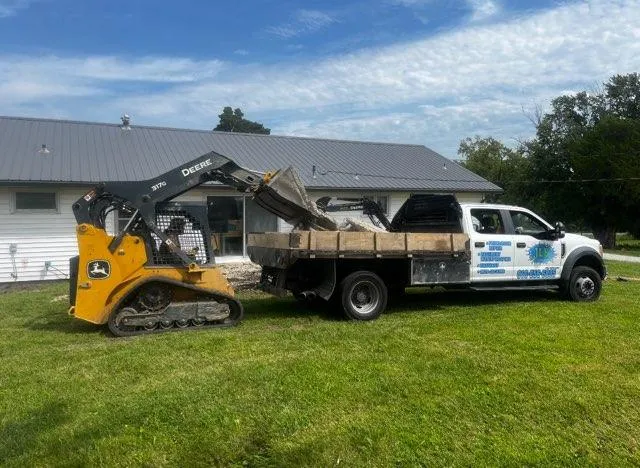
Every photo is from an actual JLB job site — not a stock photo. See the work we do every day across Kansas City and Des Moines.
What Does Basement Waterproofing Cost in Waukee, IA?
Waukee's flat terrain means water pools against foundations instead of draining away. Most Dallas County homes need an interior drainage system to manage hydrostatic pressure. These are the typical costs for Des Moines metro waterproofing projects.
| Method | Typical Cost Range | Best For |
|---|---|---|
| Interior French drain + sump pump | $2,800–$6,500 | Active water seepage through floor/wall joint |
| Interior wall sealant/coating | $450–$2,200 | Minor dampness, condensation |
| Exterior waterproofing membrane | $7,500–$14,000 | Severe water intrusion, requires excavation |
| Sump pump installation | $900–$2,300 | Homes without existing pump, high water table areas |
| Crack injection (per crack) | $200–$700 | Individual foundation wall cracks |
| Complete interior system (drain + pump + wall treatment) | $3,500–$7,500 | Most common full solution |
| Exterior excavation + drain tile | $9,000–$18,000 | Full-perimeter exterior protection |
Des Moines homes with high water tables (common near the Des Moines and Raccoon rivers) may require higher-capacity sump pump systems, adding $500–$1,500 to interior solutions. JLB provides free estimates — call (515) 717-8560 for an accurate quote.
Two Ways to Pay for It
12 Months Same As Cash
Pay the full balance within 12 months and you pay no interest.
Best if you can pay it off within a year.
5 Years at 6.99% APR
A lower monthly payment, spread over 60 months.
Best for bigger projects.
On approved credit. Ask for full terms at your free estimate.
Foundation and water problems rarely get cheaper while they wait.
Basement Waterproofing Questions for Waukee Homes
Waukee homes face basement water intrusion because Dallas County's glacial till soil creates hydrostatic pressure patterns that weren't fully understood during the building boom of the 2000s-2020s. Your newer home in neighborhoods like Kettlestone or Grand Prairie sits on soil that behaves differently than the Polk County conditions most builders were accustomed to working with. The western edge location along the Raccoon River Valley compounds these drainage challenges, as water flows follow terrain patterns that can direct moisture toward foundation walls. Modern construction techniques help, but interior drainage systems often become necessary to manage the unique soil conditions.
Dallas County's glacial till creates different groundwater flow patterns than surrounding areas, affecting how you should size and position sump pumps in Waukee basements. The soil composition directs water differently during heavy rainfall events, which average 36-39 inches annually in your area. Sump pumps in Waukee often need higher capacity ratings to handle sudden water influxes that occur when the glacial till reaches saturation. The 42-inch frost depth also affects seasonal water table fluctuations, meaning your sump pump system needs to accommodate greater variation in groundwater levels than systems designed for typical Polk County conditions.
Interior drainage in Waukee requires systems that bridge the gap between modern basement construction and Dallas County's established glacial till drainage patterns. Your newer home's foundation design may not account for how water moves through the local soil, making interior drain tile installation crucial around foundation perimeters. The Raccoon River Valley's western edge location means drainage systems must handle both surface runoff and subsurface water movement through the glacial till. Interior drainage typically involves perimeter drain tile connecting to properly sized sump basins, with backup power systems recommended given Waukee's storm patterns and the critical nature of newer home investments.
Waterproofing basement walls in Waukee means addressing how Dallas County's glacial till interacts with foundation materials used during the 2000s-2020s construction era. Your basement walls face hydrostatic pressure from soil that retains moisture differently than contractors initially planned for, especially in developments like Grand Prairie and downtown Waukee where terrain variations affect drainage. Interior waterproofing approaches often work better than exterior methods because they don't disturb the established soil conditions around your relatively new foundation. Wall waterproofing systems need to integrate with interior drainage solutions to create full-scope moisture management suited to local glacial till characteristics.
Timing basement waterproofing in Waukee should account for how Dallas County's glacial till responds to seasonal changes and the area's 36-39 inches of annual rainfall. Your soil conditions create specific water table fluctuations that differ from surrounding Polk County areas, making late summer through early fall optimal for installations before the 42-inch frost depth affects soil stability. Spring installations can work but may encounter higher groundwater levels from snowmelt and early season rainfall. The newer construction timeline in neighborhoods like Kettlestone means you might notice water intrusion patterns developing 10-15 years after initial construction, making proactive waterproofing scheduling important before problems become severe.
Not Sure What You're Dealing With?
Click any symptom below to learn what it means, what's likely causing it, and how we can help. Most of these are more common — and more fixable — than you'd think.
Diagonal, stair-step, or horizontal cracks in drywall, plaster, or brick usually trace back to soil movement beneath your foundation. The heavy clay soils in the Kansas City and Des Moines metros expand and contract seasonally, which can shift your foundation over time. The good news: this is very fixable with the right approach.
Water entering through floor joints, wall cracks, or seeping through porous concrete means groundwater pressure is pushing moisture into your basement. An interior drainage system and sump pump can solve this permanently — and we can usually have it done in a day or two.
When a foundation settles unevenly, it can shift your home's frame just enough to make doors and windows bind. This is one of the earlier signs of foundation movement — and catching it early often means a simpler, less expensive repair.
That musty smell is moisture. Up to 40% of the air in your home rises from below — from your crawlspace and basement. If there's excess humidity down there, it affects your whole home. Encapsulation seals it out, and you'll notice the difference in your air quality right away.
Floors that slope toward the center or an exterior wall usually mean the support structure underneath needs attention. Push piers can stabilize your foundation and often lift it back to level — giving your floors a second life.
Water collecting near your foundation means your grading or drainage isn't directing water away effectively. French drains, regrading, extended downspouts, and drain pipes can redirect water away from the house — protecting your foundation for the long haul.
A basement wall that has bowed more than 2 inches inward, shifted off its footing, or shows multiple structural cracks may have moved beyond what bracing can fix. When carbon fiber straps, I-beams, or wall anchors are not enough, the wall needs to be removed and rebuilt with reinforced concrete. This is the last resort — but it is the permanent fix when the wall itself is compromised.
Get Your Free Waterproofing Assessment in Waukee
We'll evaluate your basement's drainage, crack patterns, and moisture levels — all at no cost. If your Waukee basement is showing signs of water, fill out the form or call us at(515) 717-8560.
Basement Waterproofing in Cities Near Waukee
Our Locations
We're always close enough to help — our crews are local to your area.
JLB Basement Waterproofing & Foundation Repair — Van Meter
325 Grand StVan Meter, IA, 50261(515) 642-3406 View on Google Maps
JLB Basement Waterproofing & Foundation Repair — Des Moines
97 Indiana Ave Suite #1Des Moines, IA, 50314(515) 717-8560 View on Google Maps
Stop the Damage. Get Answers Today.
A free estimate takes 45 minutes and tells you exactly what's going on under your house — and exactly what it takes to fix it.