
Crawlspace Encapsulation in Ankeny, Iowa — Dry the Crawl Your Tight New Home Can't Air Out
Most of Ankeny went up after 2000, and two things about these homes work against the crawlspace: they sit on a flat glacial plain where rainwater has almost no slope to drain away on, and they're built tight enough that a damp crawl can't quietly breathe itself out the way a drafty old house would. Instead the moisture gets pulled up into the living space — which is why a newer home can feel humid and smell musty in a way its age doesn't explain.

Get a precise analysis of your foundation and waterproofing situation, and a clear estimate on what any fixes or corrections might cost.
Takes 30 seconds. We'll call within 24 hours.
We'll be in touch within 24 hours.
Why does a nearly new Ankeny home on a flat lot already have a damp, musty crawlspace?
A common surprise in Ankeny is a crawlspace that's already damp and musty under a house barely old enough to need paint. It's easy to assume moisture problems belong to old homes, but two things specific to Ankeny turn a new crawl into a problem faster than age would: the ground it sits on and the way the house is built.
Start with the ground. Ankeny sits on the flat glacial plain the Des Moines Lobe left behind — level, and underlain by dense glacial till that drains slowly. On a flat lot there's very little grade to carry rainwater away, so after a storm the water lingers at the surface and soaks down rather than running off. In the newer subdivisions especially — Prairie Trail, the DMACC area, the streets off Delaware Avenue — whole neighborhoods went up at once, and the fine grading and landscaping that eventually help a lot shed water are still settling in. Until they do, a lot of that rain ends up sitting in the soil right around and under the foundation, keeping the crawlspace floor damp.
Now the house. A home built in the last couple of decades is sealed and insulated far tighter than the drafty ranch of two generations ago. That's good for the energy bill, but it changes what a damp crawl does. In a leaky old house, crawl moisture could disperse through all the gaps. In a tight Ankeny build, that same moisture has fewer ways out — so as warm air rises through the living space and pulls air up out of the crawl through joist gaps, plumbing chases, and duct runs, the tight envelope funnels that damp, earthy air into the rooms you live in rather than letting it leak away. The stack effect is stronger, not weaker, in a well-built modern home.
That's why the symptoms Ankeny homeowners notice don't match the age of the house: a persistent musty smell on the main floor, indoor humidity that stays high in summer no matter how hard the air conditioner works, cold floors over the crawl in winter, and a dehumidifier that runs constantly. The crawlspace — the one part of a tight, efficient house left vented and open to bare, slow-draining soil — quietly sets the comfort of everything above it.
The vents are their own problem. A passive-vented crawl on the Ankeny plain takes in humid outdoor air all summer, which condenses on the cool framing and adds to the moisture the ground is already supplying; in winter it lets cold pour in under the floor. Either way the crawl works against the efficient home it's part of, and the HVAC system pays to fight it.
JLB's fix brings the crawl inside the home's envelope, where a tight modern house needs it to be. We seal the foundation vents, lay a reinforced liner across the soil and up the walls, and spray-foam both the crawl rim and the adjoining basement band so the two connected spaces are conditioned together — not one sealed while the other keeps feeding it. A right-sized dehumidifier then holds the sealed space dry through Ankeny's humid summers. Because closed-cell foam at the rim is genuine insulation, that portion of the work may qualify for a federal energy-efficiency tax credit, and it's the same step that stops the cold floors. The full sequence is on the crawlspace encapsulation page.
On the flat lots where water actually pools rather than just lingering, drainage gets corrected first with waterproofing so the liner seals a floor that's managed rather than trapping standing water. On cost, think of an Ankeny encapsulation as the efficiency retrofit the crawl should have had from the start: a full job typically runs into the four figures, more with drainage and a dehumidifier, and part of it comes back through lower bills and a home that finally holds humidity and temperature the way its tight construction promised. An exact figure needs an on-site measurement, not a phone quote.

Meet the Team Serving Ankeny
JLB is a local crew — not a franchise. We handle crawlspace encapsulation across Ankeny and the Des Moines metro. Watch to see who shows up at your door.
Watch Crawlspace Encapsulation Work in Ankeny
Two Ways to Pay Over Time
12 Months Same As Cash
Pay the full balance within 12 months and you pay no interest.
5 Years at 6.99% APR
A lower monthly payment, spread over 60 months.
On approved credit. Ask for full terms at your free estimate.
Foundation and water problems rarely get cheaper while they wait.
How Do You Know Your Ankeny Crawlspace Needs Encapsulation?
The warning signs and what each one means are on our crawlspace encapsulation page.
Is your Ankeny crawlspace costing you money?
An open crawlspace is an open invitation for moisture, mold, and energy loss. Most Ankeny homeowners don't realize up to 40% of the air they breathe comes from below the floor. A free crawlspace inspection reveals what's really going on down there.
Four Steps to a Sealed Crawlspace
Each step is laid out on our crawlspace encapsulation page.

Who Provides Crawlspace Encapsulation in Ankeny?
Ankeny is a community we know well. Our crews work throughout Polk County, and with around 81000 residents, we've seen the full range of foundation conditions here — from older homes in established neighborhoods to newer builds on the edges of town. Same team from inspection to completion, every time.
Call (515) 717-8560“Our floors were freezing in winter and the musty smell never went away. JLB spray foamed the rim joists, installed a vapor barrier, and put in a dehumidifier. The house is warmer, drier, and the smell is completely gone.”
Real Projects. Real Results.
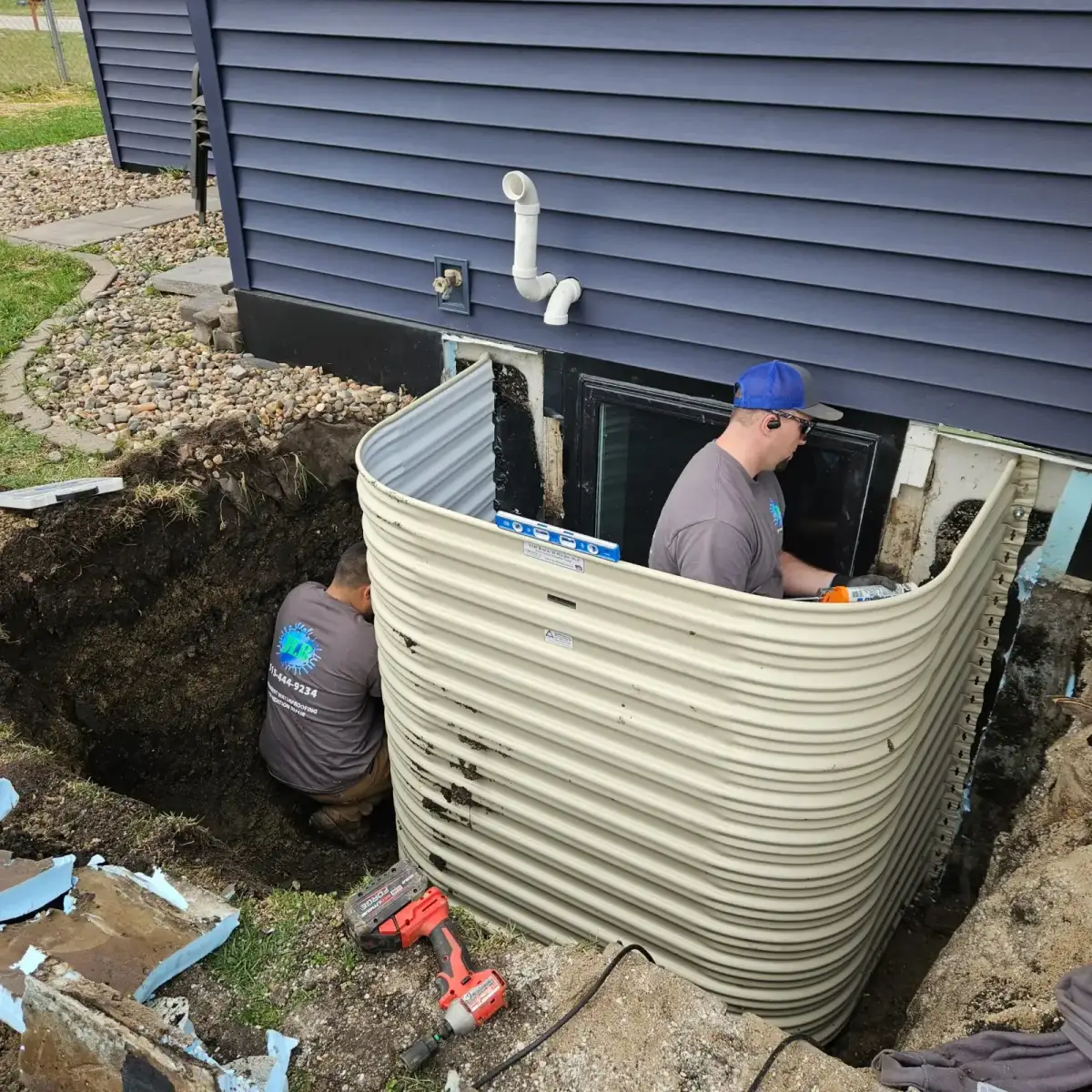
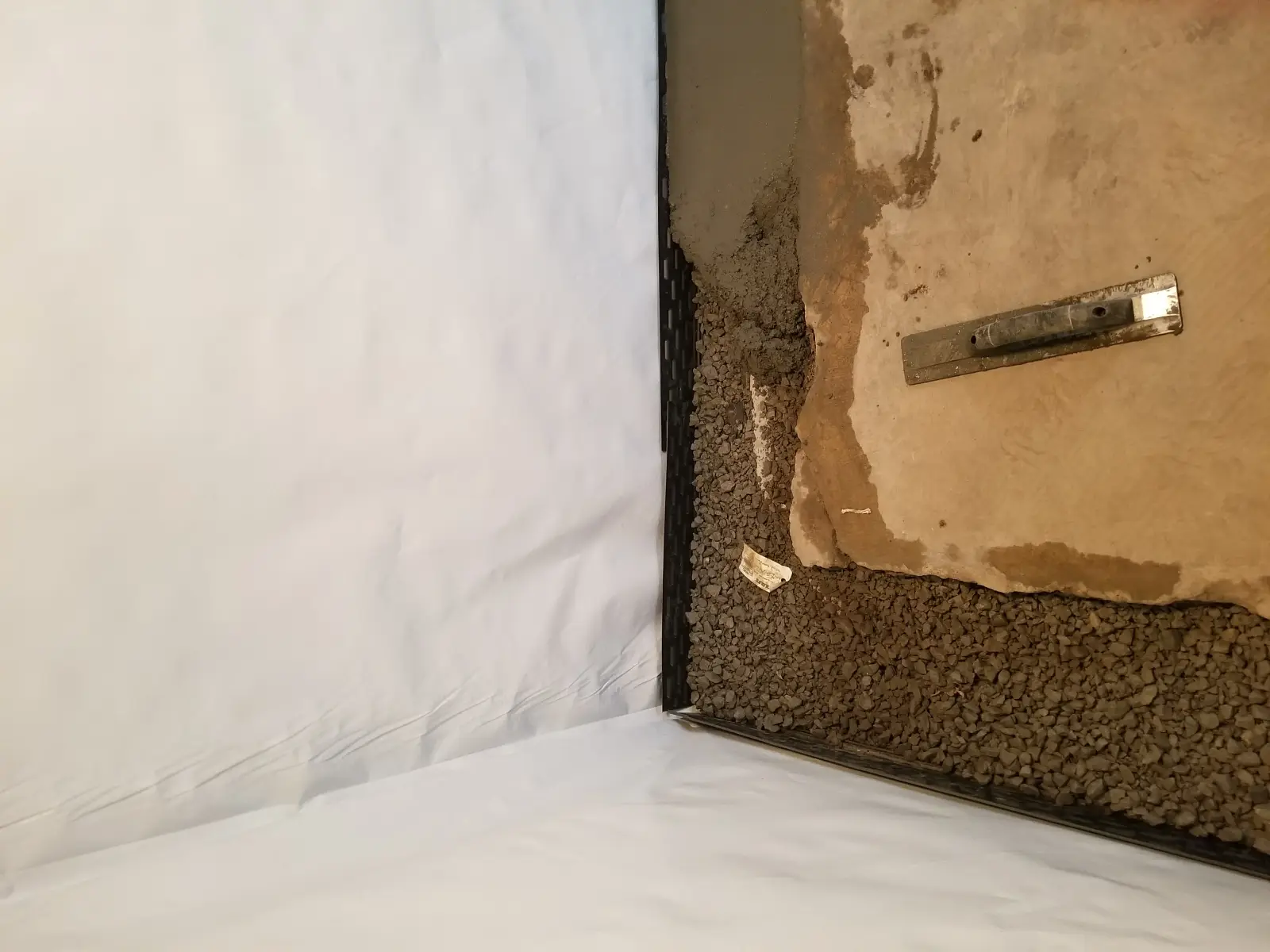
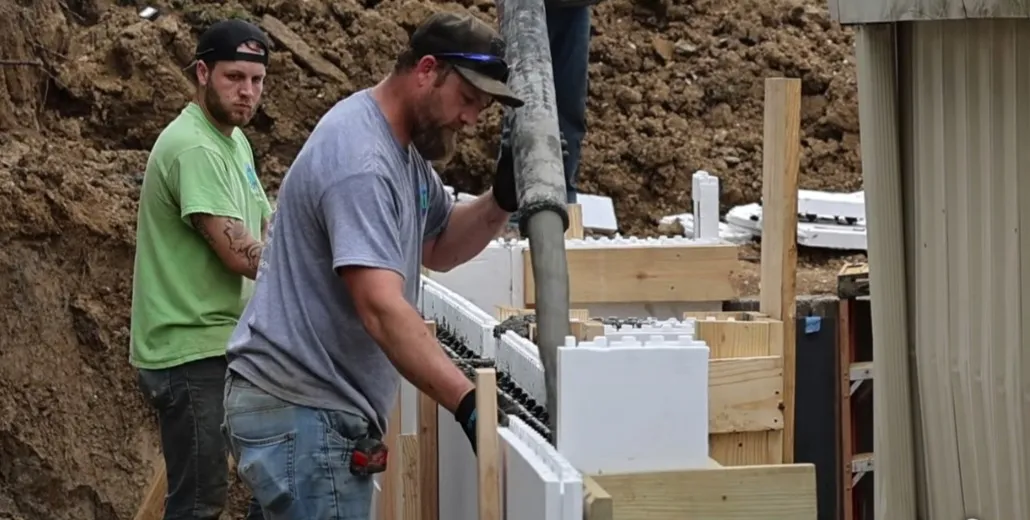
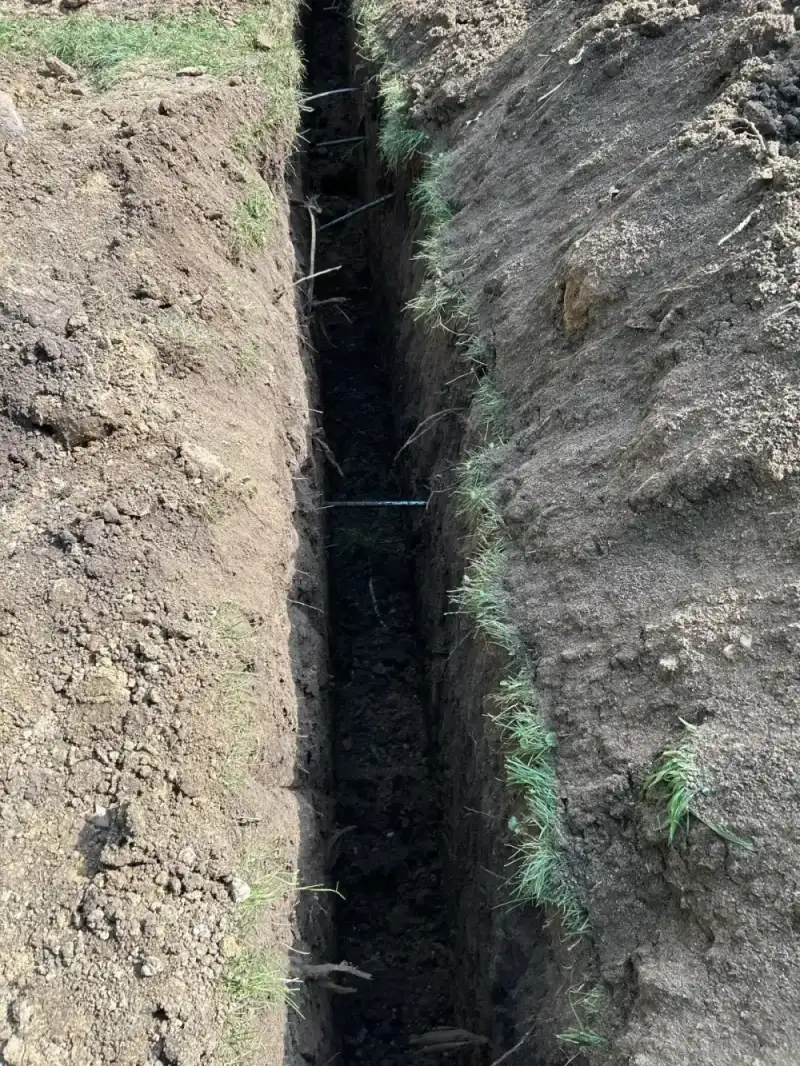
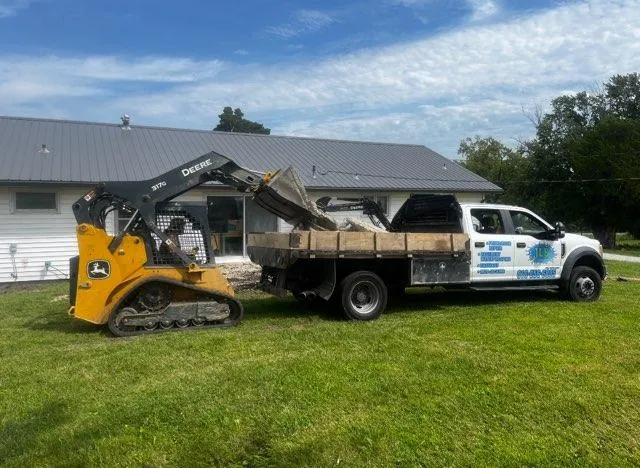
Every photo is from an actual JLB job site — not a stock photo. See the work we do every day across Kansas City and Des Moines.
What Does Crawlspace Encapsulation Cost in Ankeny, IA?
What you'll pay for crawlspace encapsulation in Ankeny depends on the scope: a basic vapor barrier is one price, a full system with insulation, drainage, and dehumidification is another. These Polk County ranges help you plan.
| Component | Typical Cost Range | Notes |
|---|---|---|
| Vapor barrier only (basic) | $1,500–$4,000 | Minimum protection; 6-mil or 12-mil polyethylene |
| Standard encapsulation (barrier + dehumidifier + insulation) | $5,000–$10,000 | Most common package for KC/DSM homes |
| Advanced encapsulation (with drainage + sump + mold remediation) | $10,000–$15,000+ | Homes with existing moisture/mold problems |
| Dehumidifier installation (add-on) | $800–$1,500 | Commercial-grade crawlspace unit; essential for Midwest humidity |
| Spray foam insulation (add-on) | $1.50–$3.50 per sq ft | JLB includes spray foam for BOTH crawlspace and basement |
| Per square foot (total project) | $3–$10 per sq ft | Depends on scope and existing conditions |
JLB spray-foams both the crawlspace AND the basement for twice the protection at a lower combined cost than competitors who only do one. Call (816) 408-3651 (KC) or (515) 717-8560 (DSM) for a free estimate.
Two Ways to Pay for It
12 Months Same As Cash
Pay the full balance within 12 months and you pay no interest.
Best if you can pay it off within a year.
5 Years at 6.99% APR
A lower monthly payment, spread over 60 months.
Best for bigger projects.
On approved credit. Ask for full terms at your free estimate.
Foundation and water problems rarely get cheaper while they wait.
Crawlspace Encapsulation Questions for Ankeny
Because the two things driving it aren't about age. Ankeny sits on a flat glacial plain underlain by slow-draining till, so on a level lot rainwater has little slope to run off on — it lingers and soaks into the soil around the foundation, keeping the crawl floor damp. And in the newer subdivisions the grading and landscaping that eventually help a lot shed water are still settling in. A crawl left vented and open to that soil takes on moisture regardless of how new the house is. Sealing the space is what stops it, and a newer home is actually an ideal time to do it.
It's one of the main reasons a crawl here stays damp. Water leaves a lot by running downhill, and on Ankeny's flat glacial plain there's very little downhill for it to use. After a storm, rain sits at the surface and works its way down through the dense till rather than draining away, so the ground around and under the foundation stays wet longer than it would on a graded, sloping lot. That standing moisture feeds the crawlspace from below. It's why proper grading and, where needed, drainage correction go hand in hand with sealing the space on these level lots.
The tight construction is actually part of why you notice it. In a drafty older house, damp crawl air could disperse through countless gaps. In a well-sealed modern Ankeny home there are fewer escape routes, so when warm air rising through the house pulls air up out of the crawlspace — the stack effect — that damp, earthy air gets funneled into your living space instead of leaking away. The house is doing exactly what efficient construction does; the problem is that the crawlspace was left vented and open to bare soil. Sealing it inside the envelope is what a tight home needs.
Very possibly. A passive-vented crawl on the Ankeny plain lets humid outdoor air in all summer to condense on the cool framing, and lets cold in under the floor all winter, so your HVAC is conditioning a cavity that's essentially half outdoors. On top of that, the stack effect pulls that crawl air up into the living space, so the system is constantly fighting the crawl's temperature and humidity. Sealing the vents, lining the soil, and adding closed-cell foam at the rim brings the crawl into the conditioned envelope — which is where the lower bills, steadier humidity, and warmer floors come from.
Because sealing one and leaving the other open leaves a moisture source feeding right back into the space you just sealed. Where an Ankeny home has a crawlspace connected to a basement or a bump-out crawl opening toward the finished lower level, the two share air. JLB's dual-zone approach spray-foams both the crawl and the adjoining basement band in one visit so the entire connected space is conditioned together, rather than treating half the problem. It also costs less than hiring separate trades to seal the pieces one at a time, and on a tight modern home it's the only way to fully stop the stack effect.
It depends on the size of the crawl, the condition of the soil and any existing ground cover, and whether the job includes drainage correction, a dehumidifier, and dual-zone foam into the adjoining basement. As a general guide a full Ankeny encapsulation runs into the four figures and rises as those pieces are added. It's best thought of as an efficiency retrofit — part of the cost comes back through lower heating and cooling bills and a home that holds humidity and temperature better. The closed-cell insulation portion may qualify for a federal energy-efficiency tax credit. An exact number needs an on-site measurement, which JLB provides free.
Not Sure What You're Dealing With?
Click any symptom below to learn what it means, what's likely causing it, and how we can help. Most of these are more common — and more fixable — than you'd think.
Diagonal, stair-step, or horizontal cracks in drywall, plaster, or brick usually trace back to soil movement beneath your foundation. The heavy clay soils in the Kansas City and Des Moines metros expand and contract seasonally, which can shift your foundation over time. The good news: this is very fixable with the right approach.
Water entering through floor joints, wall cracks, or seeping through porous concrete means groundwater pressure is pushing moisture into your basement. An interior drainage system and sump pump can solve this permanently — and we can usually have it done in a day or two.
When a foundation settles unevenly, it can shift your home's frame just enough to make doors and windows bind. This is one of the earlier signs of foundation movement — and catching it early often means a simpler, less expensive repair.
That musty smell is moisture. Up to 40% of the air in your home rises from below — from your crawlspace and basement. If there's excess humidity down there, it affects your whole home. Encapsulation seals it out, and you'll notice the difference in your air quality right away.
Floors that slope toward the center or an exterior wall usually mean the support structure underneath needs attention. Push piers can stabilize your foundation and often lift it back to level — giving your floors a second life.
Water collecting near your foundation means your grading or drainage isn't directing water away effectively. French drains, regrading, extended downspouts, and drain pipes can redirect water away from the house — protecting your foundation for the long haul.
A basement wall that has bowed more than 2 inches inward, shifted off its footing, or shows multiple structural cracks may have moved beyond what bracing can fix. When carbon fiber straps, I-beams, or wall anchors are not enough, the wall needs to be removed and rebuilt with reinforced concrete. This is the last resort — but it is the permanent fix when the wall itself is compromised.
Free Crawlspace Estimate in Ankeny
We'll inspect your crawlspace for moisture, mold, insulation gaps, and structural concerns. JLB's dual spray-foam approach seals both the crawlspace and the basement for twice the protection. Fill out the form or call us at(515) 717-8560.
Where Else Does JLB Provide Crawlspace Encapsulation?
Our Locations
We're always close enough to help — our crews are local to your area.
JLB Basement Waterproofing & Foundation Repair — Des Moines
97 Indiana Ave Suite #1Des Moines, IA, 50314(515) 717-8560 View on Google Maps
Stop the Damage. Get Answers Today.
A free estimate takes 45 minutes and tells you exactly what's going on under your house — and exactly what it takes to fix it.