Foundation Repair
Your home is showing the signs. Cracks spreading, floors dipping, doors that won't close right. These problems don't fix themselves — they get worse. We stop the damage and restore structural stability with engineered solutions built to last.
Why Can't Foundation Repair Wait?
You've noticed the cracks. Maybe they started small — a hairline fracture above a door, a subtle gap where the wall meets the ceiling. But they're getting wider. The floors feel uneven. Something is off, and you know it.
The soil beneath your foundation is moving. In Kansas City, the heavy Wymore-Ladoga clay expands when it rains and contracts during droughts. In Des Moines, glacial till and loess deposits create a different but equally damaging cycle of swell and shrink. Every season, the soil pushes and pulls your foundation — and the damage compounds.
A foundation problem that costs $4,000 to fix today can easily become a $15,000 emergency in two years. The cracks widen, the settlement deepens, and eventually the damage spreads to framing, plumbing, and drywall throughout the home. The earlier you act, the less it costs and the better the outcome.
JLB Foundation Repair uses engineered solutions — steel push piers driven to bedrock, wall anchor systems, structural crack injection — to stop the damage permanently. We don't patch. We don't guess. We diagnose the problem, engineer the fix, and stand behind it with a transferable warranty.
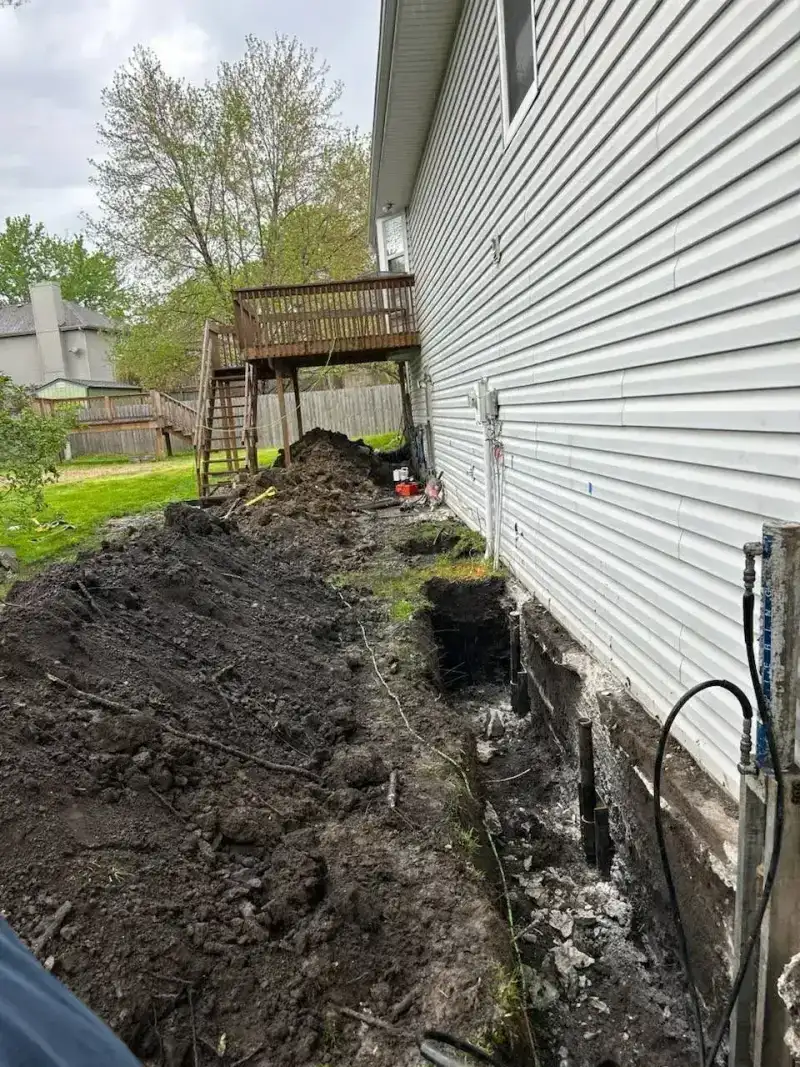
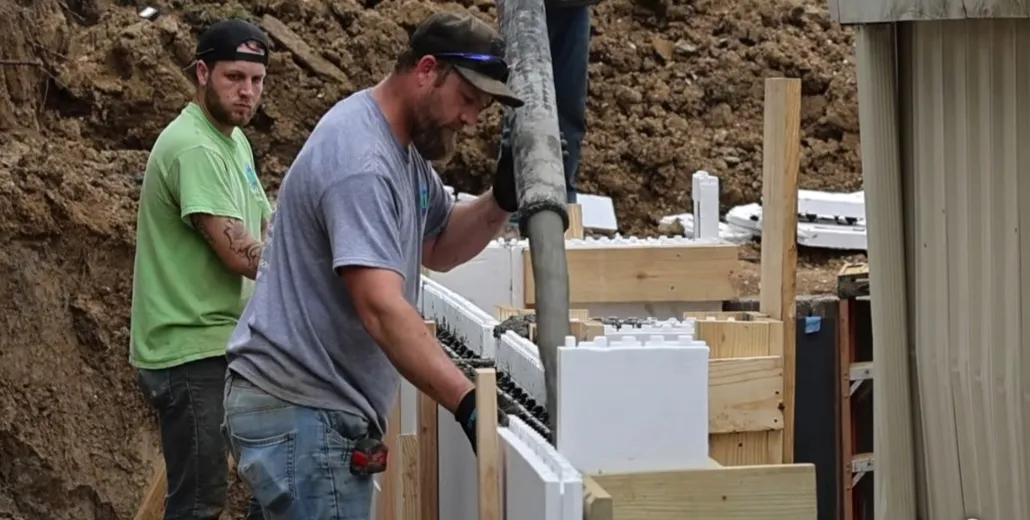
When a wall is too far gone for anchors or carbon fiber, foundation wall replacement rebuilds it from scratch with steel-reinforced concrete.
What Does It Cost to Delay Foundation Repair?
Foundation damage doesn't plateau. It accelerates. Here's what the data shows about homes where foundation issues go unaddressed:
What Are the Warning Signs You Need Foundation Repair?
If you see any of these, your foundation is telling you something. Don't ignore it.
Cracks Spreading Across Walls
Diagonal cracks above doors and windows, stair-stepping in brick — this is your structure pulling apart.
Floors Sloping or Uneven
Put a ball on the floor. If it rolls, your foundation is settling unevenly. This gets worse, never better.
Doors and Windows That Stick
Frames are shifting because the foundation underneath them is moving. It's not the door — it's the house.
Gaps Between Walls and Ceiling
Visible separations where the walls meet the ceiling or floor. Your home is literally pulling itself apart.
Exterior Brick Cracking
Stair-step cracks in the mortar joints. Once you can see it from the outside, the problem is serious.
One Side of the Home Visibly Lower
If you can see it, the soil has already failed. This is active structural movement that accelerates over time.
How Does JLB Fix Foundation Problems Permanently?
Engineered Piering Systems
Steel push piers driven to bedrock or load-bearing strata. Your home's weight transfers off unstable soil — permanently.
Wall Anchoring & Bracing
Bowing basement walls stabilized and, over time, straightened. Relieves lateral soil pressure permanently.
Structural Crack Repair
We fix the cause, not just the crack. Epoxy injection and carbon fiber reinforcement that addresses root failure.
House Leveling & Lifting
Where settlement has occurred, we lift and re-level your home back toward its original position.
Complete Diagnosis First
No guessing. We diagnose the true structural cause before recommending any work. You know exactly what you're paying for.
How Does Foundation Damage Happen?
Common Foundation Crack Patterns & Severity
Our Foundation Repair Process
How Soil Pressure Damages Your Foundation
Foundation Repair Methods Compared
The Cost of Waiting: Foundation Damage Over Time
Understand What's Happening
Under Your Home
You don't need to be an engineer to understand your foundation. Here's what every homeowner should know — in plain English.
How Your Foundation Works
Your foundation does one job: transfer the weight of your entire house into the ground. In Kansas City and Des Moines, that ground is heavy clay soil — and clay moves. It swells when wet, shrinks when dry, and pushes laterally against basement walls during freeze-thaw cycles. When the soil shifts, your foundation has to absorb that stress. Over time, something gives.
Why Foundations Fail
Concrete is strong. Soil is not. When the soil under or around your foundation changes volume — from rain, drought, freeze-thaw, or poor drainage — it creates uneven pressure. One side settles. Walls bow inward. Cracks spread. The foundation itself usually isn't defective. The ground it's sitting on just stopped doing its job.
How Water Gets Into Your Basement
Water enters basements through three main paths: through cracks in walls or floors (the most obvious), through the joint where the wall meets the floor (called the cove joint — the most common), and through porous concrete itself (wicking). All three are caused by hydrostatic pressure — groundwater pushing against your foundation from the outside. No amount of sealant paint fixes this. You need to manage the water with an interior drainage system and sump pump.
How Foundation Repairs Actually Work
Modern foundation repair isn't guesswork. Push piers are steel shafts driven through unstable soil until they hit load-bearing bedrock or stable strata — then hydraulic jacks transfer your home's weight onto them. Helical piers screw into the ground like giant anchors. Wall anchors counter lateral pressure from expanding soil. When a wall has bowed too far or shifted off its footing, foundation wall replacement rebuilds it from scratch with reinforced concrete. These are engineered systems rated for specific load capacities, and they come with transferable warranties.
Not Sure What You're Dealing With?
Our inspectors assess your foundation in person, explain what they find, and give you a written estimate — all free, no pressure.
Four Steps to a Stable Home
No surprises. No upsells. Just a clear path from "something's wrong" to "it's permanently fixed."
Free Inspection
We come to your home, assess the damage, and explain exactly what's happening — in plain English, not contractor jargon.
Custom Repair Plan
An engineered solution designed for your home's soil conditions, damage pattern, and foundation type.
Professional Install
Our crew handles everything. Most repairs completed in 1–3 days with minimal disruption.
Permanent Stability
Your foundation is stabilized for the life of the home. The settlement stops. Done.
Not Sure What You're Dealing With?
Click any symptom below to learn what it means, what's likely causing it, and how we can help. Most of these are more common — and more fixable — than you'd think.
Diagonal, stair-step, or horizontal cracks in drywall, plaster, or brick usually trace back to soil movement beneath your foundation. The heavy clay soils in the Kansas City and Des Moines metros expand and contract seasonally, which can shift your foundation over time. The good news: this is very fixable with the right approach.
Water entering through floor joints, wall cracks, or seeping through porous concrete means groundwater pressure is pushing moisture into your basement. An interior drainage system and sump pump can solve this permanently — and we can usually have it done in a day or two.
When a foundation settles unevenly, it can shift your home's frame just enough to make doors and windows bind. This is one of the earlier signs of foundation movement — and catching it early often means a simpler, less expensive repair.
That musty smell is moisture. Up to 40% of the air in your home rises from below — from your crawlspace and basement. If there's excess humidity down there, it affects your whole home. Encapsulation seals it out, and you'll notice the difference in your air quality right away.
Floors that slope toward the center or an exterior wall usually mean the support structure underneath needs attention. Push piers can stabilize your foundation and often lift it back to level — giving your floors a second life.
When soil washes out or compacts beneath a concrete slab, the slab drops and becomes uneven. Polyjacking uses expanding polyurethane foam to fill the void and lift the concrete back to grade — usually in under a day, with no heavy equipment needed.
Water collecting near your foundation means your grading or drainage isn't directing water away effectively. French drains, regrading, extended downspouts, and drain pipes can redirect water away from the house — protecting your foundation for the long haul.
A basement wall that has bowed more than 2 inches inward, shifted off its footing, or shows multiple structural cracks may have moved beyond what bracing can fix. When carbon fiber straps, I-beams, or wall anchors are not enough, the wall needs to be removed and rebuilt with reinforced concrete. This is the last resort — but it is the permanent fix when the wall itself is compromised.
Real Projects. Real Results.
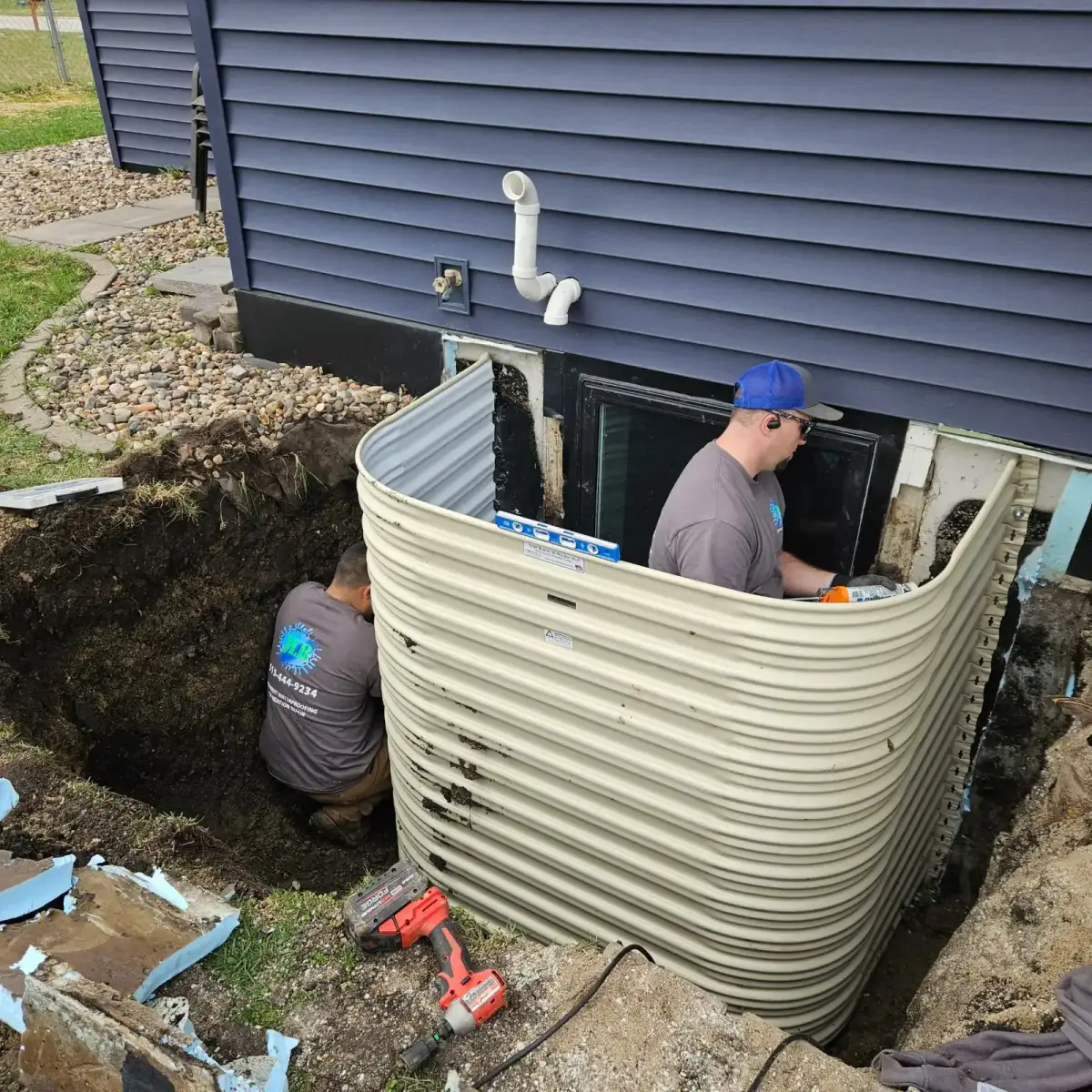
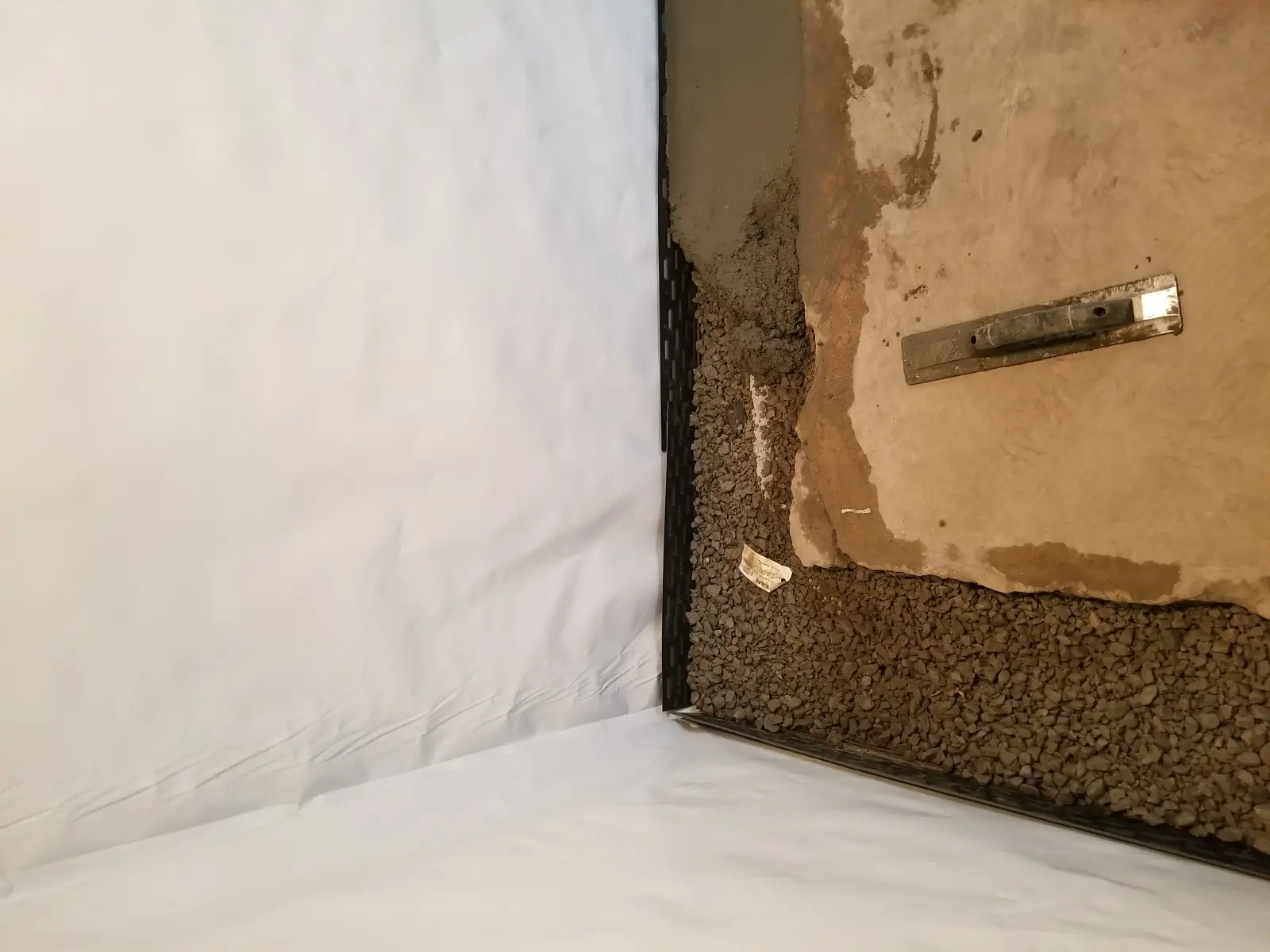
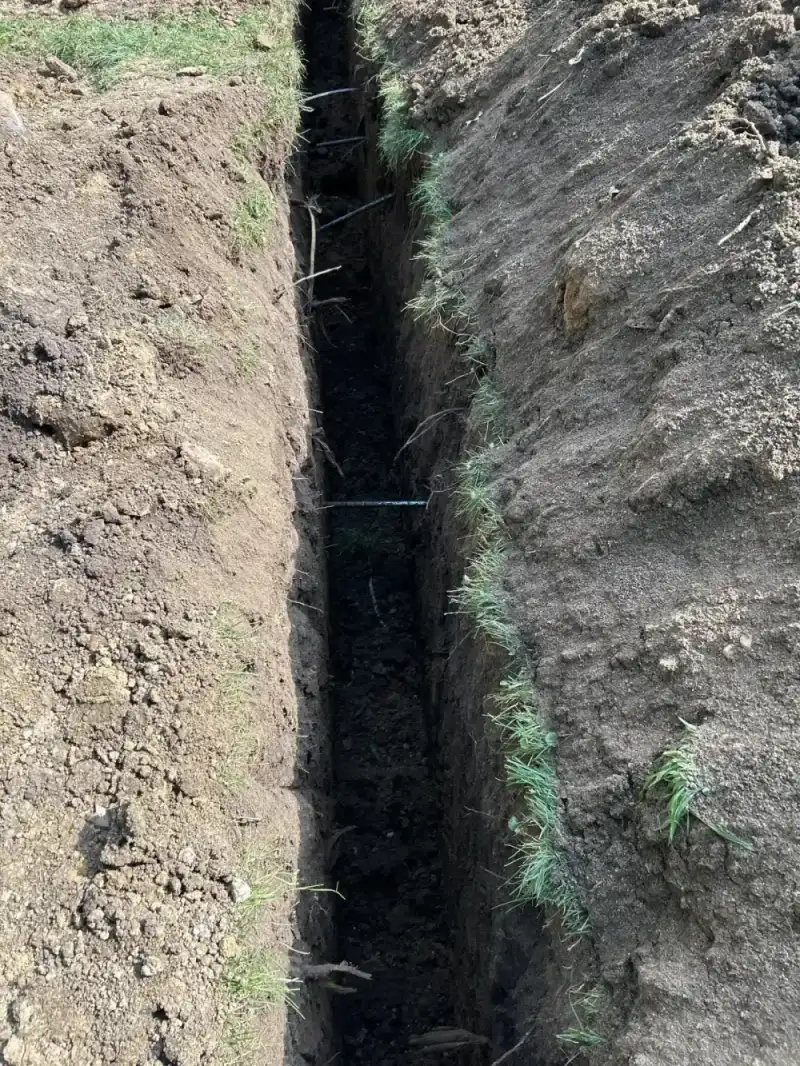
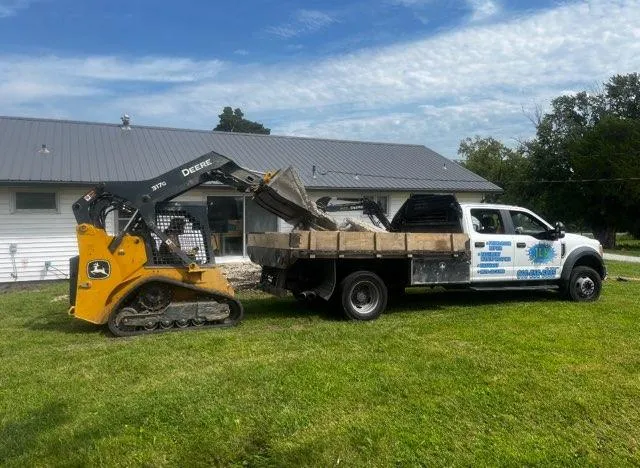
Every photo is from an actual JLB job site — not a stock photo. See the work we do every day across Kansas City and Des Moines.
What Do Homeowners Say About JLB?
"We had cracks running up our walls and doors that wouldn't close. JLB came out, explained exactly what was happening with the soil under our house, and had the piers installed in two days. Floors are level again. Wish we hadn't waited so long."
"Three other companies gave us the runaround. JLB showed up, did a thorough inspection, and gave us a straight answer. The repair held up through an entire Missouri winter with zero new cracking."
"I was about to list my house and the inspector flagged the foundation. Panicked. JLB got it done fast, provided all the documentation for the buyer, and the sale went through. Saved the entire deal."
"We noticed the cracks getting worse every spring after the thaw. JLB came out, explained the soil issues specific to our area, and had piers installed in two days. No more movement since."
"Two other companies wanted to do a quick patch job. JLB actually diagnosed the root cause — clay soil expansion under our slab. The piering solution has held solid through two Iowa winters now."
"Our doors wouldn't close and the floor was visibly sloped. JLB re-leveled everything and the house feels solid again. They even helped us understand what to watch for going forward."
Foundation Repair FAQ
Costs vary based on the extent of damage, the type of repair needed, and your home's foundation type. Most foundation repair projects in the Kansas City and Des Moines metros range from $3,000 to $15,000. We provide free inspections with a detailed, written estimate — no surprises.
Most residential foundation repairs are completed in 1 to 3 days. Larger projects or those requiring extensive piering may take up to 5 days. We give you a clear timeline before work begins.
Yes. We offer flexible financing options to make foundation repair affordable. Ask about our payment plans during your free inspection.
We keep disruption to a minimum. Most pier installations require small access holes that we backfill and restore. We treat your property with care and clean up thoroughly after every job.
Common warning signs include cracks in walls or ceilings, doors and windows that stick, uneven or sloping floors, gaps between walls and ceiling, and visible cracks in exterior brick. If you see any of these, schedule a free inspection.
Most homeowners insurance policies do not cover foundation settlement or soil movement. However, some policies cover sudden structural failures caused by plumbing leaks or other covered events. We recommend checking with your insurance provider.
Ready to Fix It? Start Here.
A 45-minute inspection tells you exactly what's going on with your foundation — and exactly what it costs to fix. No obligation. No pressure. Just answers from a licensed structural specialist.
Get Your Free Inspection
Takes 30 seconds. We'll call within 24 hours.
Thank You!
We received your request. A foundation specialist will contact you within 24 hours to schedule your free inspection.
Where Does JLB Provide Foundation Repair?
Kansas City Metro
Des Moines Metro
Kansas City Metro Offices
Three locations serving the entire KC metro. We come to you.
JLB Foundation Repair & Basement Waterproofing — Kansas City
111 NE 72nd St Ste 111Kansas City, MO64119(816) 656-6835 View on Google Maps
JLB Foundation Repair & Basement Waterproofing — Leawood
10308 State Line Rd Suite 300Leawood, KS66206(816) 656-6835 View on Google Maps
JLB Foundation Repair & Basement Waterproofing — Kearney
24011 State Rte 92Kearney, MO64060(816) 656-6835 View on Google Maps
Des Moines Metro Offices
Three locations across central Iowa. We come to you.
JLB Basement Waterproofing & Foundation Repair — Des Moines
97 Indiana Ave Suite #1Des Moines, IA50314(515) 444-9234 View on Google Maps
JLB Basement Waterproofing & Foundation Repair — Van Meter
325 Grand StVan Meter, IA50261(515) 444-9234 View on Google Maps
JLB Basement Waterproofing & Foundation Repair — Boone
2041 Knezevich RdBoone, IA50036(515) 444-9234 View on Google Maps
Stop the Damage. Get Answers Today.
A free inspection takes 45 minutes and tells you exactly what's going on — and exactly what it takes to fix it. Call KC at (816) 656-6835 or DSM at (515) 444-9234.